1885 Indian Head Penny Value Guide What Is It Worth Today
The 1885 Indian Head Penny is worth anywhere from $3 in heavily worn condition to over $150 or more in mint state. If you’ve just stumbled across one of these old cents, you’re in the right place — this guide will walk you through exactly what affects its value and what you might expect to get for yours.
Before we dive in, if you’re not sure what coin you’re holding, you can use a free coin identifier app to snap a photo and get a quick ID in seconds. Once you know what you have, the real fun of figuring out its value begins.
—
What Makes the 1885 Indian Head Penny Special
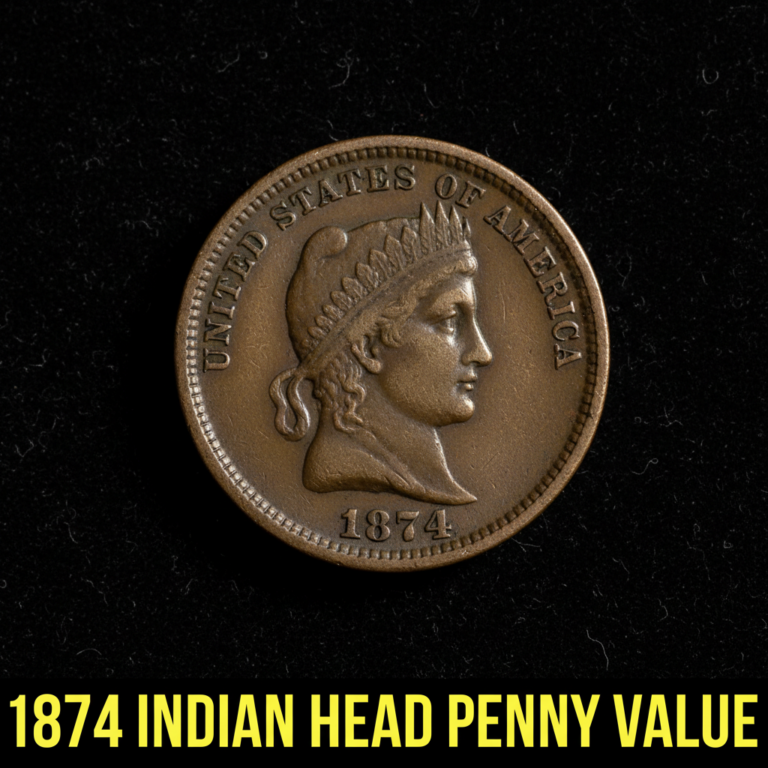
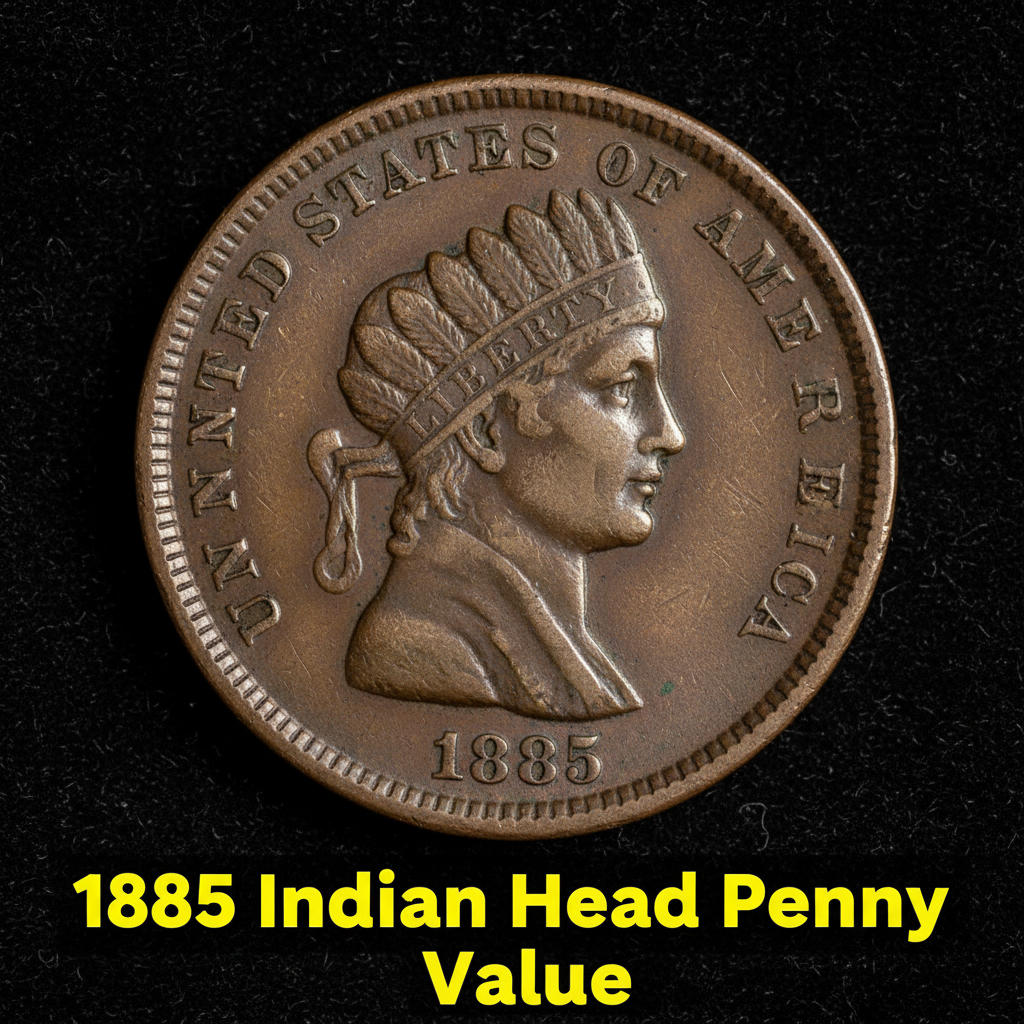
The 1885 Indian Head Penny was struck at the Philadelphia Mint with a mintage of just over 11 million coins. While that might sound like a lot, it’s actually one of the lower-mintage years in the Indian Head series, which ran from 1859 to 1909. Lower mintage generally means fewer surviving examples today, especially in nicer grades. The coin features the classic Lady Liberty wearing a Native American headdress — a design by James Barton Longacre that has remained beloved by collectors for over 150 years. The reverse shows a simple oak wreath surrounding the words “ONE CENT.” It’s a small coin with a big history, and depending on its condition, it can be worth a surprising amount.
—
1885 Indian Head Penny Value by Grade
Condition is everything when it comes to old coin values. A heavily circulated 1885 penny with a flat design and worn details might bring only $3 to $5. Move up to a coin with clear details but still some wear — what collectors call “Fine” or “Very Fine” — and values jump to $15 to $40. An Extremely Fine example can fetch $50 to $75, while an About Uncirculated coin might bring $80 to $120. Full mint-state examples with original luster are where values really climb.
| Grade | Description | Estimated Value |
|---|---|---|
| Good (G-4) | Heavy wear, major details visible | $3 – $5 |
| Fine (F-12) | Moderate wear, legends clear | $12 – $20 |
| Very Fine (VF-20) | Light to moderate wear | $25 – $45 |
| Extremely Fine (EF-40) | Light wear on high points only | $50 – $75 |
| About Uncirculated (AU-50) | Trace wear, most luster remains | $80 – $120 |
| Mint State (MS-63) | No wear, some bag marks | $130 – $175 |
| Mint State (MS-65+) | Gem quality, full luster | $300+ |
For a deeper look at certified auction results and population data, you can check out current 1885 Indian Head Penny prices in mint red condition to see exactly what top-grade examples are selling for right now.
—
How to Identify Your 1885 Indian Head Penny
Identifying your coin is straightforward. Look for the date “1885” on the obverse (front) just below the portrait of Lady Liberty. The word “LIBERTY” should appear on the band of the headdress — this detail tends to wear away first, making it a key grading indicator. There is no mintmark on this issue since all 1885 Indian Head Pennies were made in Philadelphia. On the reverse, look for the wreath and “ONE CENT” in the center with “UNITED STATES OF AMERICA” around the border. If your coin matches this description, you’ve got the real thing.
A great tool to help you confirm what you have is CoinKnow, an easy-to-use app that lets you identify coins and get instant value estimates. Whether you’re a complete beginner or a seasoned hobbyist, CoinKnow makes the process simple and accurate.
—
Errors and Varieties That Can Boost Value
Like many coins of its era, the 1885 Indian Head Penny has a few known die varieties that collectors actively seek. Repunched dates (RPDs), where the date was punched more than once slightly off-center, can add a modest premium. While the 1885 issue doesn’t have major headline errors like some other years, finding a coin with a doubled die or other planchet irregularity could mean your penny is worth significantly more than the standard value guide suggests. Always examine your coin carefully under magnification before selling. If you compare your 1885 to the Indian Head Penny value information for nearby dates, you’ll notice how much year-to-year mintage differences can shift prices across the series.
—
Where to Sell Your 1885 Indian Head Penny
If you’ve decided to sell, you have several solid options. eBay is the most popular marketplace for individual coins and lets you see real-time sold prices to benchmark your coin. Local coin dealers offer quick cash but typically pay 50–70% of retail value. Coin shows are another great option, especially if you have a higher-grade example where competitive bidding could work in your favor. For coins worth over $100, consider getting a professional grade from PCGS or NGC — a certified grade removes doubt for buyers and almost always results in a higher sale price. CoinKnow can also point you toward trusted buyers and give you a solid baseline before you negotiate.
—
FAQ
Q: Is my 1885 Indian Head Penny worth cleaning before I sell it?
A: No — never clean an old coin. Cleaning scratches the surface and destroys original luster, which dramatically lowers value. Collectors and dealers strongly prefer original, uncleaned coins even if they look dark or dirty.
Q: How can I tell if my 1885 Indian Head Penny is a good grade without a professional?
A: Start by checking if “LIBERTY” on the headdress band is readable. If the full word is sharp, you likely have a Fine or better example. Look for original luster — a faint shine in the fields is a sign of an About Uncirculated or better coin. When in doubt, use CoinKnow for a quick at-home assessment.
Q: Are there fake 1885 Indian Head Pennies?
A: Outright counterfeits of common-date Indian Head Pennies are rare since the face value doesn’t justify the effort. However, altered dates from other years do exist. Check that the date numerals look natural and evenly spaced, and compare them against reference images online or in a coin guide.