1895 Liberty Nickel Value What It’s Worth and Why Collectors Care
The 1895 Liberty Nickel is worth anywhere from $10 in heavily worn condition to well over $1,500 or more in high mint state grades — and a few exceptional examples have sold for thousands at major auctions. If you’ve come across one of these old nickels, you’re holding a piece of American history that could be worth far more than five cents.
What Is the 1895 Liberty Nickel?
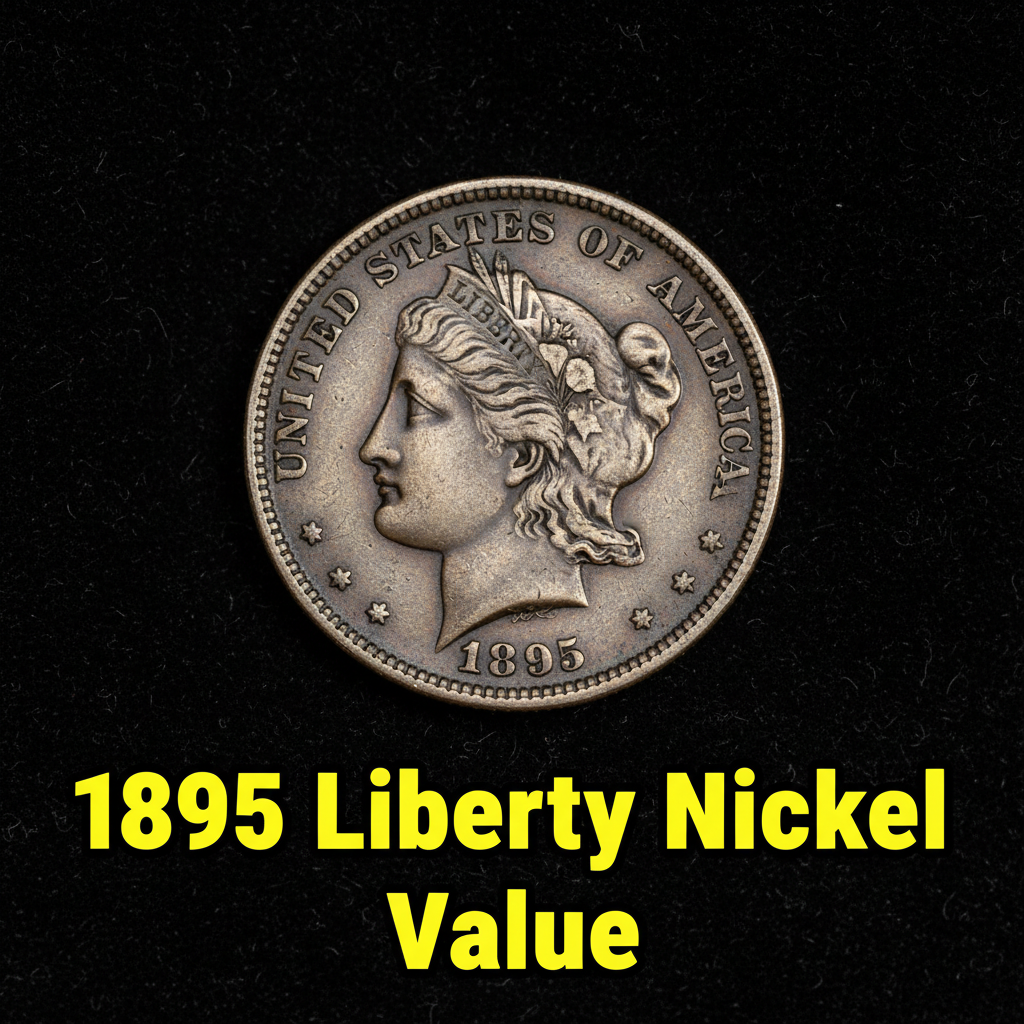
The 1895 Liberty Nickel is part of the Liberty Head Nickel series, also called the “V Nickel” because of the Roman numeral “V” stamped on the reverse. These coins were minted from 1883 to 1913 and designed by Charles E. Barber, the U.S. Mint’s chief engraver at the time. The obverse features Lady Liberty facing left, surrounded by 13 stars representing the original colonies. The reverse shows the large “V” inside a wreath.
By 1895, the coins were being struck in decent numbers, but that doesn’t mean they’re all common. Condition is everything when it comes to value. A coin that spent decades rattling around in a drawer or pocket will look very different — and appraise very differently — from one that was carefully stored. If you’ve just found an old coin and want to get a quick idea of what you have, try using a free coin identifier app to get a starting point before diving into deeper research.
1895 Liberty Nickel Value by Grade
The grade of your coin is the single biggest factor in determining its value. Coin grading runs from Poor (P-1) all the way up to Mint State 70 (MS-70). For most people finding old coins at home, your 1895 Liberty Nickel probably falls somewhere between Good and Fine — which still puts real money in your pocket.
Here’s a general value table to give you a quick sense of what the 1895 Liberty Nickel is worth across different grades:
| Grade | Description | Estimated Value |
|---|---|---|
| Good (G-4) | Heavy wear, design visible | $10 – $15 |
| Fine (F-12) | Moderate wear, details clear | $20 – $35 |
| Extremely Fine (EF-40) | Light wear on high points | $75 – $120 |
| About Uncirculated (AU-50) | Slight wear, most luster intact | $150 – $250 |
| Mint State (MS-63) | Uncirculated, minor marks | $400 – $700 |
| Mint State (MS-65) | Gem uncirculated, sharp strike | $1,200 – $1,800+ |
For a more detailed look at 1895 Liberty Nickel prices in mint state grades, certified auction records and population data can help you understand exactly where your coin stands in the current market.
Key Factors That Affect the 1895 Liberty Nickel Price
Beyond grade, a few other things can push the value of your 1895 Liberty Nickel higher — or lower. Strike quality matters: a sharply struck coin with strong details on Liberty’s hair and the wreath on the reverse is more desirable. Original luster on uncirculated coins is a big deal to collectors; cleaned coins, even if they look shiny, lose significant value.
Eye appeal is another factor dealers and collectors always consider. Two coins with the same technical grade can still differ in price based on how attractive they look overall — things like color, surface quality, and whether the coin has any distracting marks in key focal areas.
Certification also plays a role. A coin graded and slabbed by PCGS or NGC (the two major grading services) carries more buyer confidence and typically sells for more than a raw, ungradded example. If your coin looks like it might be in EF or better condition, professional grading is worth considering.
CoinKnow is a great tool for everyday collectors who want instant information. The app helps you identify coins, check current market values, and understand grading basics — all from your phone.
Is the 1895 Liberty Nickel Rare?
The 1895 Liberty Nickel had a mintage of about 9.9 million coins from the Philadelphia Mint — so it’s not a rare date in the technical sense. No major mint varieties or dramatic rarities are associated with this year the way some other years in the series carry. Still, finding one in nice condition over 130 years later is genuinely uncommon, and high-grade examples are far from easy to come by.
The 1895 doesn’t carry the drama of the famed 1913 Liberty Nickel (one of the rarest coins in American numismatics), but it’s a solid, collectible date that appeals to both beginners and serious type collectors. For context, if you’re also researching other silver coinage from this era, you might want to check out detailed value information for the 1895 Barber Dime, another classic coin from the same year.
How to Sell Your 1895 Liberty Nickel
If you’ve decided you’d like to sell, you have several solid options. Online platforms like eBay let you reach a huge audience, but you’ll need good photos and honest descriptions. Coin dealers offer fast transactions but may pay wholesale prices. Coin shows let you shop your coin to multiple buyers in one afternoon.
Before selling, do your homework. Use CoinKnow to research recent sales of similar coins so you’re not leaving money on the table. Knowing what your 1895 Liberty Nickel is actually worth before you walk into a dealer’s shop gives you real negotiating power.
—
FAQ
Q: How do I know if my 1895 Liberty Nickel has been cleaned?
A: Cleaned coins often have an unnatural brightness or show fine hairline scratches under magnification. Original coins have a more muted, natural luster. Dealers can spot cleaning quickly, and it significantly reduces value.
Q: Does the mint mark matter on the 1895 Liberty Nickel?
A: The 1895 Liberty Nickel was only struck at the Philadelphia Mint, which means there is no mint mark on these coins. Philadelphia coins of this era bear no mint mark, so you don’t need to worry about comparing mint mark varieties for this date.
Q: Is it worth getting my 1895 Liberty Nickel professionally graded?
A: If your coin appears to be in Extremely Fine condition or better, professional grading from PCGS or NGC is usually worth the cost. It adds buyer confidence and can meaningfully increase what collectors are willing to pay. For coins in lower grades, grading fees may outweigh the benefit — CoinKnow can help you estimate whether it makes sense before you spend the money.