1926 Buffalo Nickel Value With No Mint Mark and What It’s Worth Today
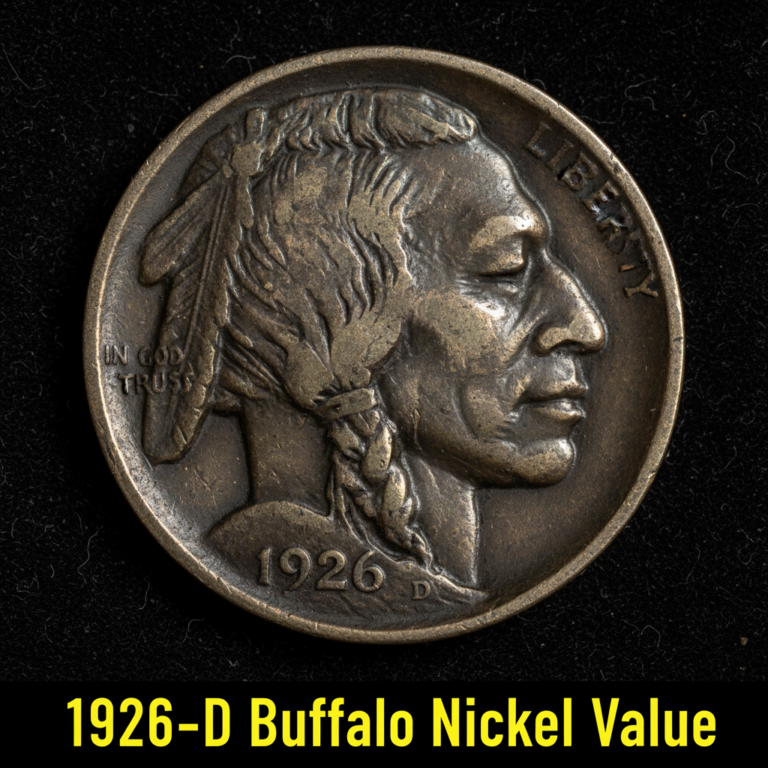
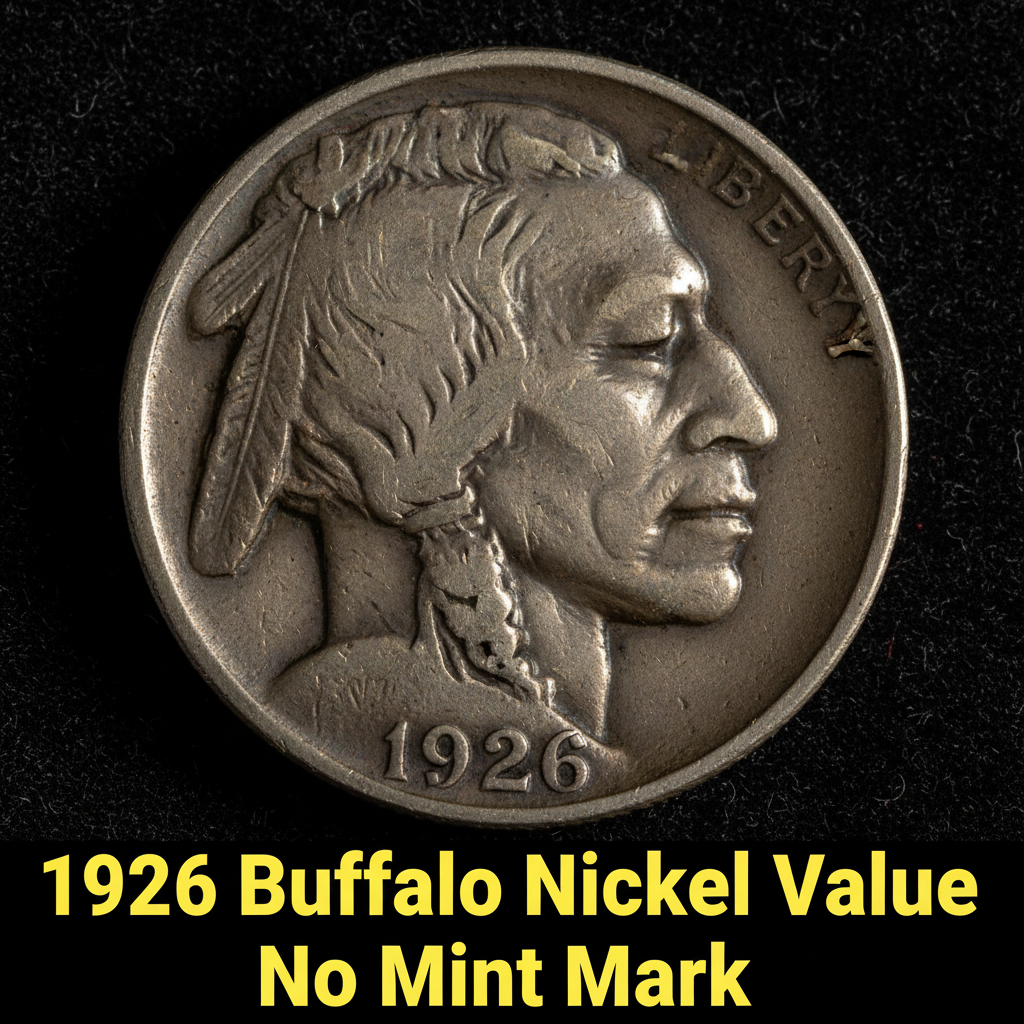
The 1926 Buffalo Nickel (Philadelphia, no mint mark) is worth anywhere from $1 to $2 in heavily worn condition, climbing to $20–$50 in fine grades, and reaching $100 or more in uncirculated mint state. If you recently dug one of these out of an old jar or inherited it from a relative, you’ve got something worth taking a closer look at.
What Makes the 1926 No Mint Mark Buffalo Nickel Special
The 1926 Buffalo Nickel was struck at the Philadelphia Mint, which is why it carries no mint mark — Philadelphia coins from this era were produced without one. That year, the Philadelphia facility struck over 35 million of these nickels, making it one of the more common dates in the Buffalo Nickel series. But “common” doesn’t mean worthless. In circulated grades, these coins are affordable and collectible, and in gem uncirculated condition, they can genuinely surprise you.
The Buffalo Nickel, officially called the Indian Head Nickel, was designed by sculptor James Earle Fraser and ran from 1913 to 1938. The obverse features a Native American portrait, while the reverse shows an American bison standing on a mound. It’s one of the most beloved American coin designs ever made, and collectors still chase high-grade examples today.
If you’re not sure what you have, try using a free coin identifier app to get a quick read on your coin before heading to a dealer. It can save you time and help you understand the grade range you’re working with.
1926 Buffalo Nickel Value by Grade
Coin value depends heavily on condition — called “grade” in the hobby. A coin that’s been through decades of pocket change will look very different from one that was set aside right after minting. Here’s a breakdown of typical retail values for the 1926 no mint mark Buffalo Nickel:
| Grade | Description | Estimated Value |
|---|---|---|
| Good (G-4) | Heavy wear, date visible | $1 – $2 |
| Very Good (VG-8) | Moderate wear, main details visible | $3 – $5 |
| Fine (F-12) | Even wear, some design detail | $8 – $15 |
| Very Fine (VF-20) | Light to moderate wear | $20 – $35 |
| Extremely Fine (EF-40) | Slight wear on high points | $40 – $60 |
| Mint State (MS-63) | Uncirculated, minor contact marks | $100 – $175 |
| Gem Mint State (MS-65) | Fully lustrous, sharp strike | $300 – $500+ |
For a deeper look at mint state 1926 Buffalo Nickel price data across MS grades, you can check certified auction records to see what collectors are actually paying right now.
How to Identify Your 1926 Buffalo Nickel Condition
Grading takes practice, but there are some easy things to look for at home. On the obverse, check the cheekbone of the Native American portrait — this is one of the first areas to show wear. If it’s flat and shiny with no detail, you’re likely looking at a Good or Very Good grade. If you can still see some hair braid detail and the cheekbone has slight rounding rather than total flatness, you’re likely in Fine to Very Fine territory.
On the reverse, inspect the bison’s horn and the area just above the front leg. These high points wear quickly. A coin with a full horn and visible muscle detail on the shoulder is in the Extremely Fine range or better.
One important note: the date on Buffalo Nickels is raised and prone to wearing off entirely. A 1926 with a partial or missing date is unfortunately worth very little, regardless of the rest of the coin’s appearance. Always confirm you can clearly read the full date before getting excited.
CoinKnow is a great mobile app for quick at-home grading guidance. It walks you through what to look for based on photos you take with your phone, making it genuinely useful if you’re new to coin collecting.
Mint Mark Comparison and Why Philadelphia Coins Have No Mark
The 1926 Buffalo Nickel was produced at three mints: Philadelphia (no mint mark), Denver (D), and San Francisco (S). The mint mark, if present, appears on the reverse just below “FIVE CENTS.”
Philadelphia issues have no mint mark at all — that’s how you identify them. The 1926 Philadelphia strike had the highest mintage of the three, at approximately 35.4 million coins. By comparison, the 1926-S had only 970,000 struck, making it a key date worth significantly more in all grades.
For a complete breakdown of 1926 Buffalo Nickel values across all three mint marks, it’s worth seeing how the Philadelphia, Denver, and San Francisco versions compare side by side.
If you’re unsure whether your coin has a mint mark, clean the area around “FIVE CENTS” with good lighting. Don’t clean the coin itself — cleaning damages value.
Tips for Selling or Getting Your Coin Appraised
Once you know roughly what grade your 1926 no mint mark Buffalo Nickel is in, you have a few options. Circulated examples in lower grades can be sold in bulk lots on eBay or at local coin shows for fair prices. Coins in Very Fine or better condition are worth getting individually appraised by a coin dealer or sending to a third-party grader like PCGS or NGC.
CoinKnow can help you track current market trends and connect with the collector community, especially if you’re just starting out and want to understand what your collection is actually worth. It’s one of the easiest tools for everyday people who find old coins and want real answers fast.
Don’t rush to sell. A well-preserved 1926 Buffalo Nickel is a genuine piece of American history, and the right buyer will pay a fair price.
—
FAQ
Q: How do I know if my 1926 Buffalo Nickel is from Philadelphia?
A: Check the reverse of the coin just below “FIVE CENTS.” If there’s no mint mark letter, it was struck at the Philadelphia Mint. A “D” means Denver, and an “S” means San Francisco.
Q: Is a worn 1926 no mint mark Buffalo Nickel worth keeping?
A: Even in worn condition, it’s a nearly 100-year-old coin with collector appeal. While heavily circulated examples may only fetch $1–$3, they’re still fun to own and a great starting point for new collectors.
Q: Does cleaning my Buffalo Nickel increase its value?
A: No — cleaning a coin almost always decreases its value. Collectors and dealers can spot cleaned coins easily, and a cleaned coin will grade lower (or be labeled “details” by grading services), which significantly reduces what buyers will pay.