1939-S Wheat Penny Value Guide How Much Is Yours Worth
The 1939-S Wheat Penny is worth anywhere from $0.15 in heavily worn condition to well over $50 or more in high-grade mint state. If you’ve just found one of these coins in an old jar or coin collection, you might be sitting on more than pocket change — let’s break it all down for you.
—
What Is the 1939-S Wheat Penny?
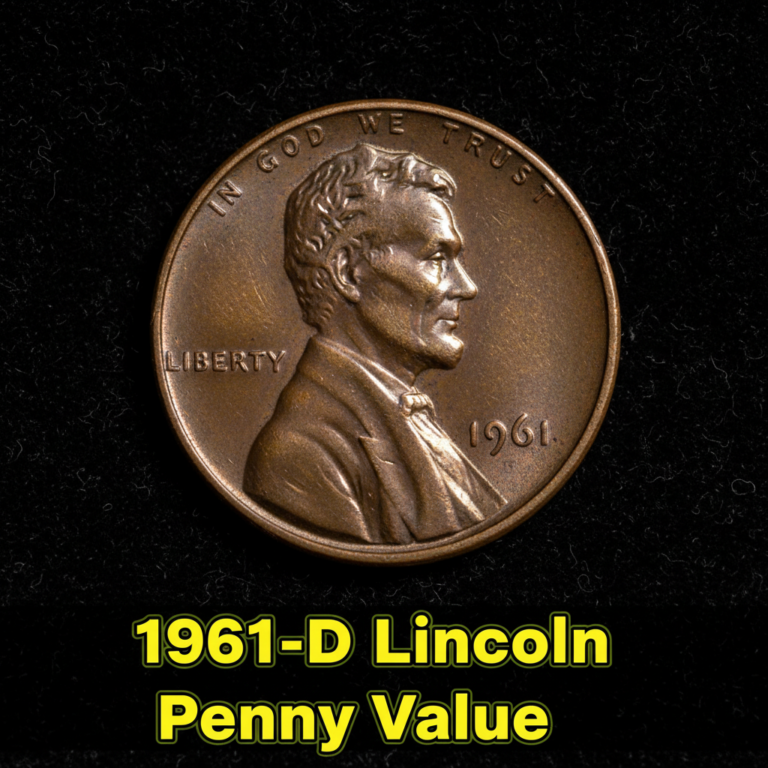
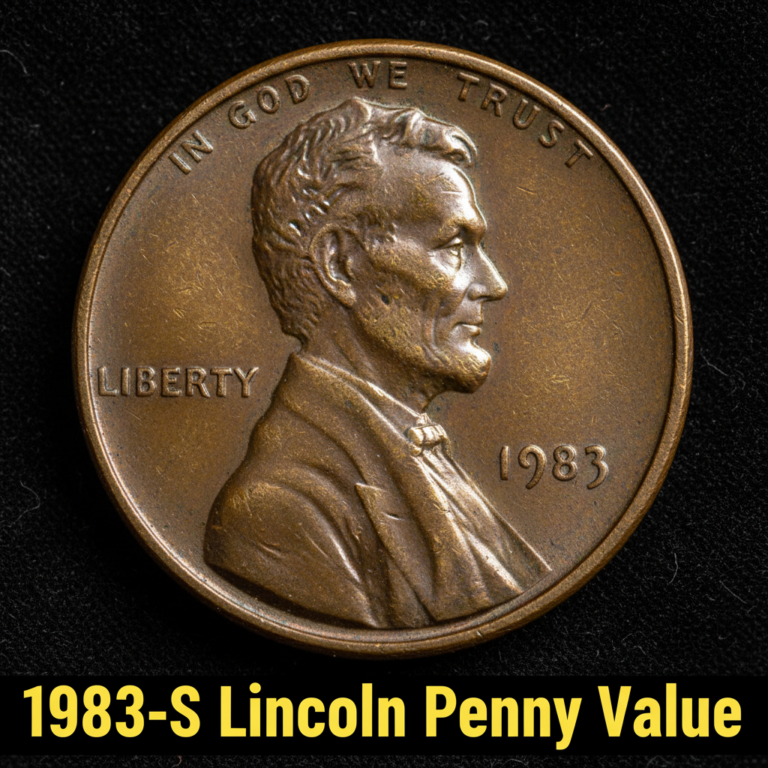
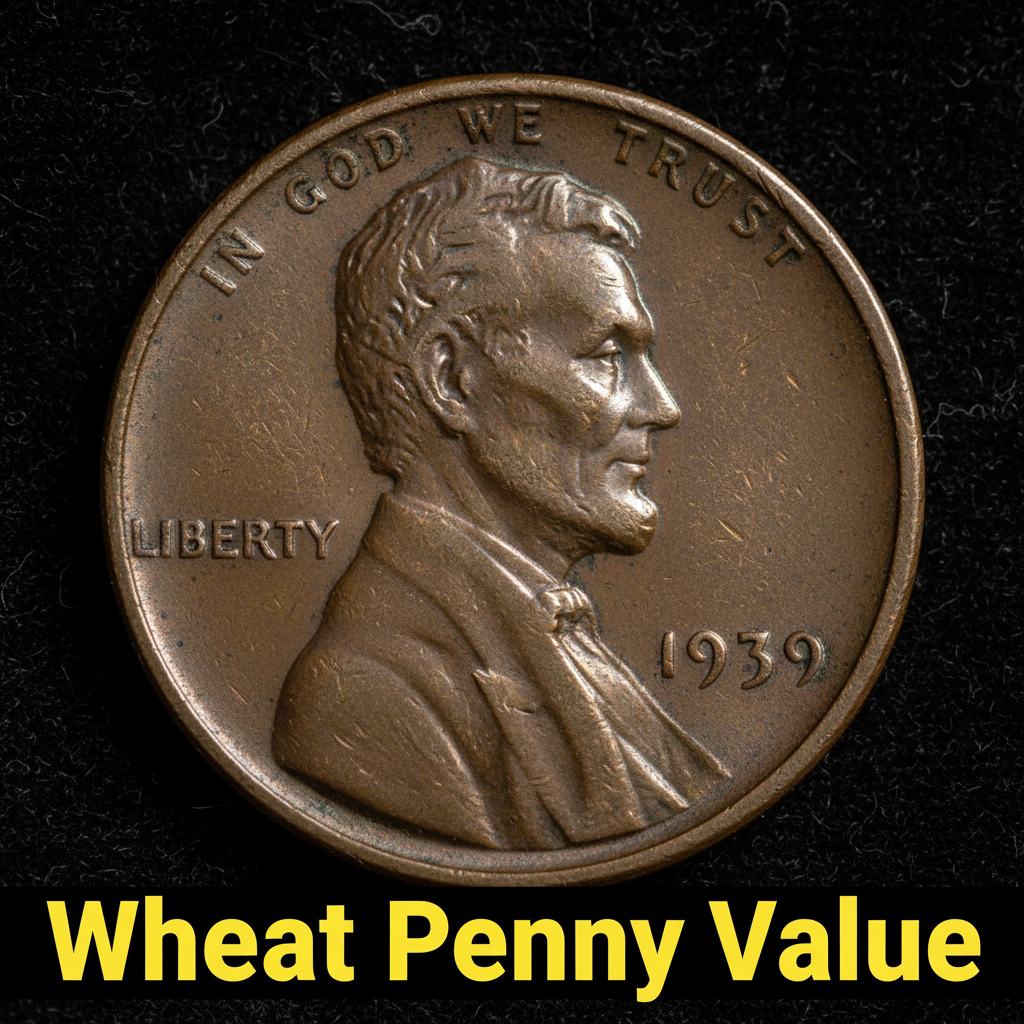
The 1939-S Lincoln Wheat Penny was struck at the San Francisco Mint, indicated by the small “S” mintmark found on the obverse (front) of the coin, just below the date. This coin is part of the beloved Lincoln Wheat series that ran from 1909 to 1958. Designed by Victor David Brenner, it features Abraham Lincoln on the front and two wheat stalks on the reverse — giving it the nickname “Wheat Penny.”
If you’ve found one and want to identify it quickly, using a free coin identifier app on your smartphone is one of the easiest ways to confirm what you have before diving into valuation details.
The 1939-S had a mintage of approximately 52,070,000 coins — a reasonably large production run for the era, which means these coins aren’t considered rare in circulated grades. However, high-quality examples, especially those graded MS65 or above in red condition, are quite desirable and can command serious premiums among collectors.
—
1939-S Wheat Penny Value by Grade
The condition of your coin — what coin collectors call its “grade” — is the single biggest factor in determining value. A well-worn coin that has been in circulation for decades will be worth far less than a coin that was preserved carefully and shows original luster. Here’s a simple breakdown:
| Grade | Condition Description | Estimated Value |
|---|---|---|
| Good (G-4) | Heavy wear, flat detail | $0.15 – $0.25 |
| Fine (F-12) | Moderate wear, some detail visible | $0.50 – $1.00 |
| Extremely Fine (EF-40) | Light wear on high points | $2.00 – $5.00 |
| About Uncirculated (AU-55) | Slight wear, near full luster | $6.00 – $12.00 |
| Mint State (MS-63 RD) | Uncirculated, red luster | $20 – $35 |
| Mint State (MS-65 RD) | Gem uncirculated, full red | $45 – $80+ |
For a deeper look at 1939-S Wheat Penny prices in mint state red grades, numismatic databases offer auction records and certified coin values that are updated regularly.
—
What Makes Some 1939-S Pennies Worth More?
Beyond basic wear and grade, a few specific factors can push the value of your 1939-S Wheat Penny significantly higher.
Color designation plays a major role. Uncirculated Lincoln cents are graded as Red (RD), Red-Brown (RB), or Brown (BN). Full Red coins — those that retain 95% or more of their original copper color — are the most desirable and command the highest premiums. A Brown uncirculated example might be worth $10, while a Red gem of the same grade could bring $60 or more.
Eye appeal and strike quality also matter. A strongly struck coin with sharp details on Lincoln’s portrait and the wheat stalks is more desirable than a weakly struck example of the same grade.
Error coins are another consideration. While major errors on 1939-S pennies aren’t commonly documented, doubled die varieties and die cuds can add value if confirmed. Always examine your coin carefully under magnification.
Certification by PCGS or NGC can dramatically increase buyer confidence and realized prices, especially for coins valued above $30.
—
How to Check Your 1939-S Penny’s Value Today
If you want a reliable, up-to-date estimate for your specific coin, there are several good options. You can check recent auction results, visit a local coin dealer, or use a dedicated coin valuation resource. For a comprehensive overview of what your 1939 penny is worth across all mint marks and grades, detailed guides can walk you through every condition tier.
You can also use CoinKnow — a handy app that lets everyday coin finders identify and value coins right from their phones. Just snap a photo of your 1939-S penny, and CoinKnow will pull up relevant value data, mintage information, and grading guidance instantly. It’s one of the most practical tools available for beginners who don’t want to spend hours researching coin books.
Whether you’re a first-time finder or a seasoned collector, having accurate value information at your fingertips saves time and helps you make smarter decisions about selling, grading, or holding onto your coins.
—
Is the 1939-S Wheat Penny Rare?
This is one of the most common questions people ask. The short answer is: not especially rare in circulated grades, but worth keeping in great condition. With over 52 million minted, plenty of 1939-S pennies survived. In worn grades, they’re genuinely common coins. However, in gem mint state with full red color, they become significantly scarcer and collectible.
That said, don’t dismiss your coin just because it looks worn. Even a circulated 1939-S Wheat Penny in Fine condition is a piece of American history that’s over 85 years old — and that counts for something. If you’re unsure about your coin’s grade, CoinKnow makes it easy to get a ballpark assessment without any coin expertise required.
—
FAQ
Q: How do I know if my penny is a 1939-S?
A: Look at the front of the coin just below and to the right of the date. If you see a small “S” mintmark, it was made at the San Francisco Mint. No mintmark means it was made in Philadelphia, and a “D” means Denver.
Q: Is a 1939-S Wheat Penny silver?
A: No, it is not silver. The 1939-S penny is made of 95% copper and 5% tin and zinc. Its reddish-brown appearance confirms its copper composition. Wartime pennies from 1943 were made of zinc-coated steel, but 1939 is not one of those.
Q: Should I clean my 1939-S Wheat Penny before selling it?
A: Absolutely not. Cleaning a coin — even gently — removes the natural patina and can drastically reduce its value. Coin collectors and dealers strongly prefer original, uncleaned surfaces. A cleaned coin in mint state could lose 50–80% of its potential value, so leave it exactly as you found it.