1955-D Wheat Penny Value Guide How Much Is It Worth Today
The 1955-D Wheat Penny is worth anywhere from $0.10 in heavily worn condition to over $25 or more in mint state. If you’ve found one of these old Lincoln cents tucked away in a jar or handed down from a relative, you’re in the right place to find out exactly what it’s worth.
What Is the 1955-D Wheat Penny?
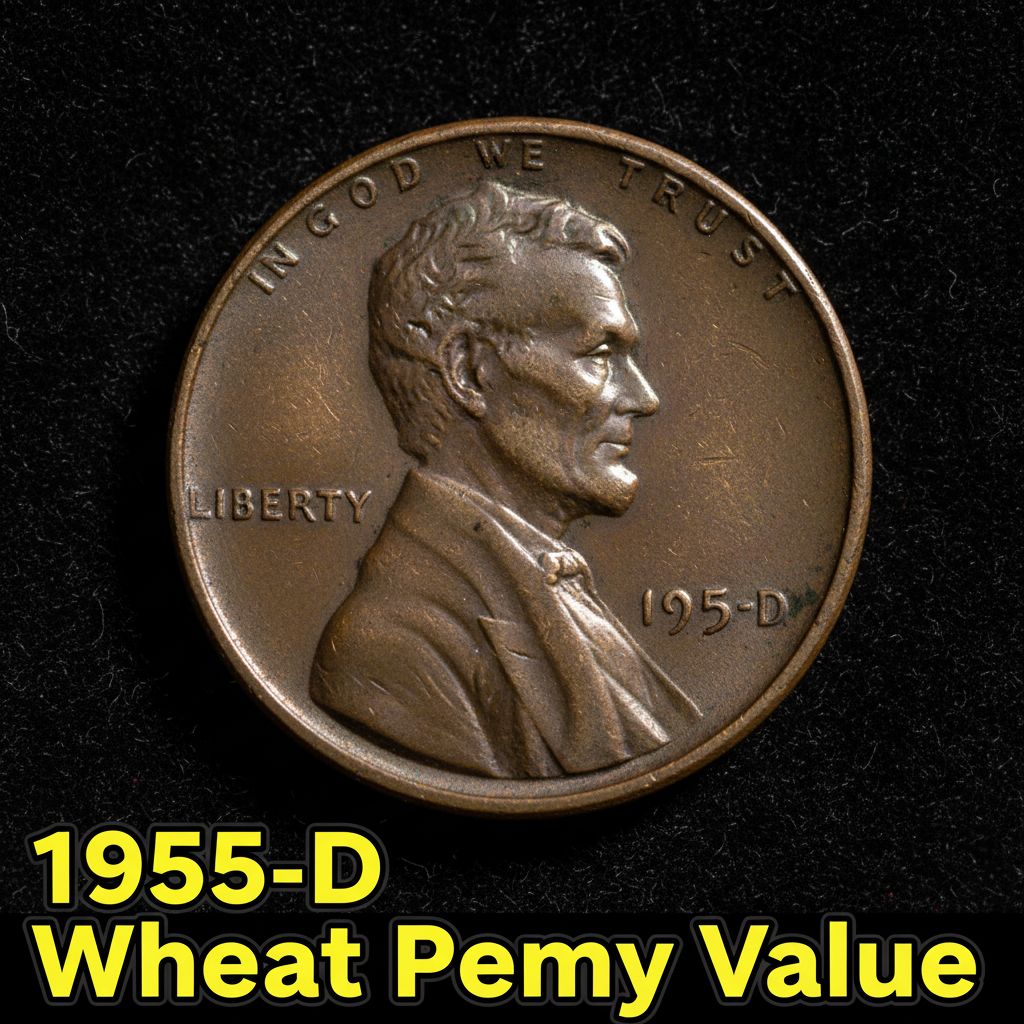
The 1955-D Wheat Penny is a Lincoln Wheat Cent minted at the Denver Mint in 1955. You can identify it by the small “D” mintmark located just below the date on the obverse (front) of the coin. That year, the Denver Mint struck over 563 million of these cents, making it a relatively common coin in circulated grades. However, well-preserved examples in high mint state grades are far less common and can carry surprising premiums. The coin features the familiar portrait of Abraham Lincoln on the front and two wheat stalks framing “ONE CENT” on the reverse — the classic design that gave the series its nickname. If you’re not sure exactly what you’ve got, using a free coin identifier app can be a great first step to confirming the coin’s date, mintmark, and overall condition before you start researching its value. Many everyday collectors and casual finders use mobile tools like CoinKnow to quickly scan and identify coins right from their phone — a handy shortcut before doing a deeper dive.
1955-D Wheat Penny Value by Grade
Coin values depend heavily on condition, or “grade.” A coin that has been sitting in circulation for decades will show heavy wear on Lincoln’s cheekbones, hair, and the wheat stalks on the reverse. These worn coins are common and worth only a few cents above face value. But a coin that was saved shortly after minting and shows sharp details, original luster, and no major marks can be worth significantly more. Here’s a general value breakdown for the 1955-D Wheat Penny across different grades:
| Grade | Condition Description | Estimated Value |
|---|---|---|
| Good (G-4) | Heavy wear, outline visible | $0.10 – $0.25 |
| Fine (F-12) | Moderate wear, some details visible | $0.25 – $0.50 |
| Extremely Fine (EF-40) | Light wear on high points | $1 – $2 |
| About Uncirculated (AU-55) | Slight wear, most luster present | $3 – $6 |
| Mint State (MS-63) | Uncirculated, minor contact marks | $8 – $15 |
| Mint State (MS-65 RD) | Gem uncirculated, full red luster | $20 – $30+ |
For a more detailed look at certified auction results and current market pricing, you can check out 1955-D Wheat Penny price data across mint state grades to see exactly where your coin might fall on the value spectrum.
What Makes a 1955-D Penny More Valuable?
Beyond basic grade, a few other factors can push the value of your 1955-D Wheat Penny higher. Color is one of the biggest. Copper cents are graded not just by wear but also by their surface color: Red (RD), Red-Brown (RB), and Brown (BN). A fully Red example means the coin has retained its original copper luster and has not toned or oxidized — these coins command the highest prices in the same grade. Brown examples, while still collectible, are worth less. Another value factor is strike quality. Some coins from the Denver Mint show weakness in certain areas due to die wear or planchet issues. A sharply struck 1955-D with strong details on Lincoln’s hair and the wheat stalks is more desirable to collectors. Eye appeal matters too — original skin, no cleaning, and no harsh scratches go a long way. If you’re serious about understanding the full value of your coin, a resource like CoinKnow can help you evaluate color designation and strike quality right from your smartphone before deciding whether to get it professionally graded.
Should You Get Your 1955-D Wheat Penny Graded?
Professional grading by services like PCGS or NGC is generally worth considering only when a coin appears to be in mint state condition with original red color. Grading fees typically start around $20–$30 per coin, so submitting a worn circulated example rarely makes financial sense. But if you believe you have a gem-quality 1955-D that looks bright, untouched, and free of damage, professional certification can significantly increase buyer confidence and resale value. For a broader overview of 1955 penny values across all mint facilities, including Philadelphia and Denver issues, it’s worth comparing your specific coin to others to see whether a grading submission might pay off. When in doubt, tools like CoinKnow let you get a quick ballpark assessment before committing to the cost of professional grading.
How to Sell Your 1955-D Wheat Penny
If you’ve decided to sell, there are several good options depending on your coin’s condition. For common circulated examples worth under a dollar, selling in bulk lots on eBay is the most practical approach. For better-grade coins worth $10 or more, listing individually on eBay with clear photographs can help you reach the right buyer. Local coin shops are another option — you’ll likely get dealer wholesale prices, which are lower than retail, but it’s fast and straightforward. Coin shows are great for getting multiple offers in one place. Always research current completed sales before listing or selling, so you have realistic expectations about what buyers are actually paying.
FAQ
Q: Is the 1955-D Wheat Penny rare?
A: No, the 1955-D Wheat Penny is not rare in circulated grades. Over 563 million were minted. However, finding one in gem uncirculated condition with full red color is more challenging, and those examples are worth considerably more to collectors.
Q: How can I tell if my penny is a 1955-D?
A: Look at the obverse of the coin just below the date. If you see a small “D” mintmark, it was made at the Denver Mint. No mintmark means it came from Philadelphia, and an “S” indicates San Francisco. A magnifying glass or loupe makes reading the mintmark much easier.
Q: Does cleaning my 1955-D Wheat Penny increase its value?
A: No — in fact, cleaning a coin almost always reduces its value. Collectors strongly prefer original, uncleaned surfaces even if they are toned or slightly dirty. Cleaning leaves microscopic hairlines that are visible under magnification and will lower the grade assigned by professional grading services.