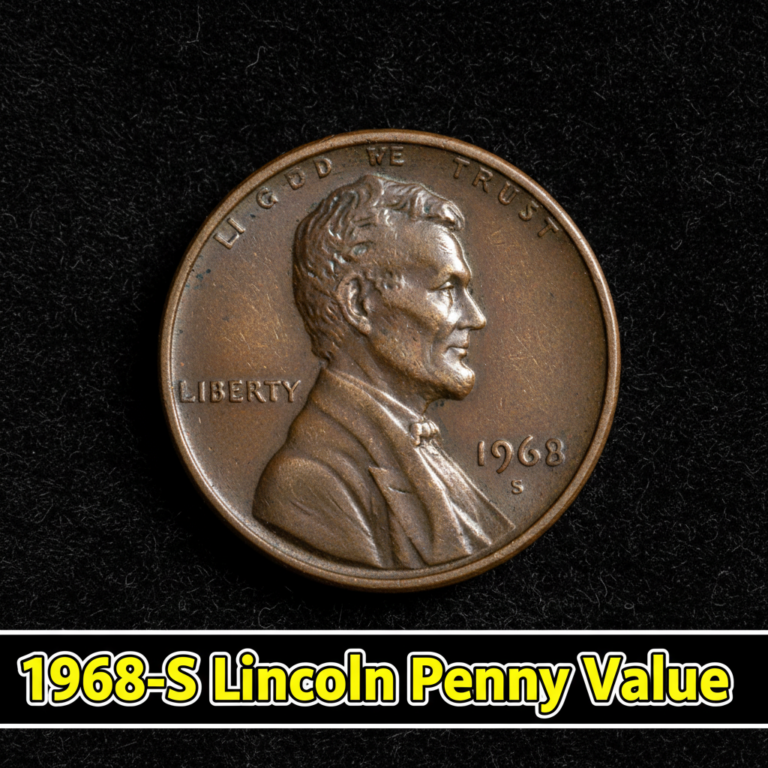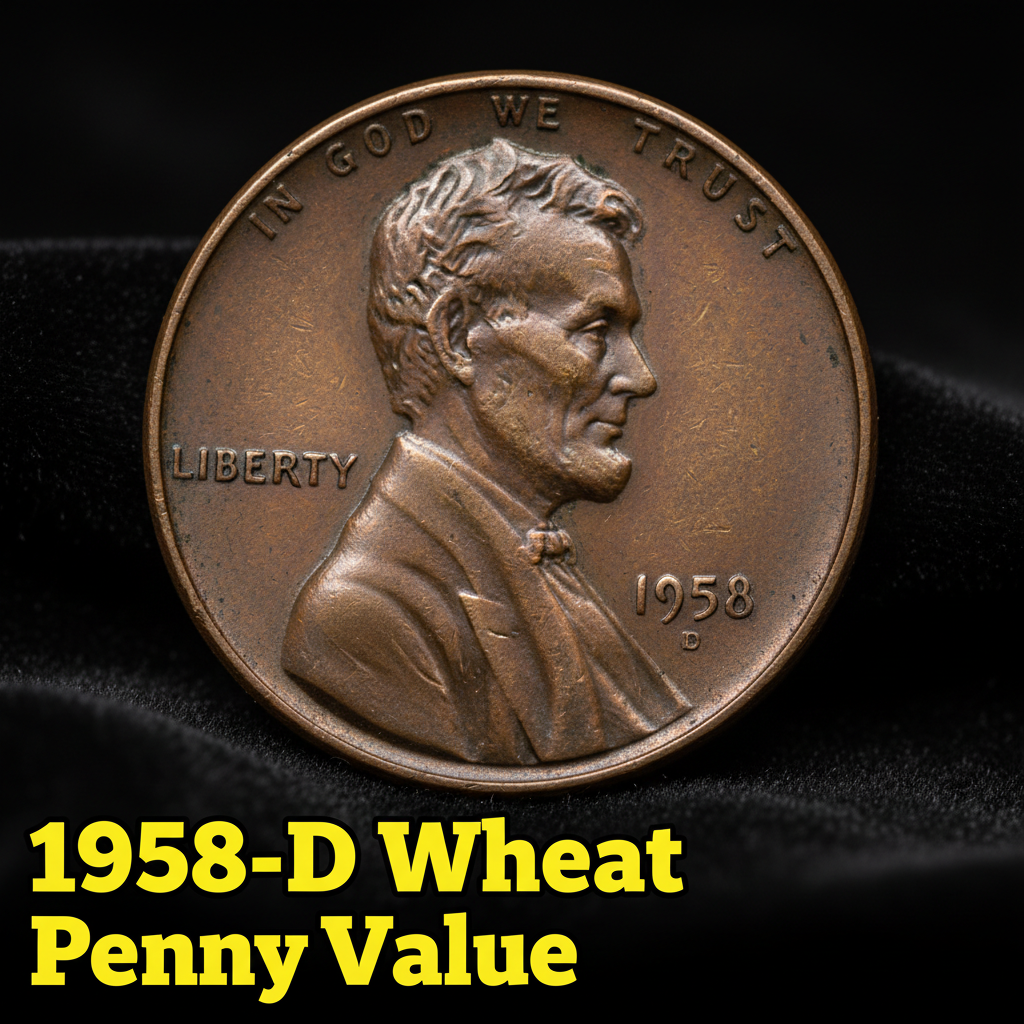
1958-D Wheat Penny Value Guide How Much Is It Worth Today
The 1958-D Wheat Penny is worth anywhere from $0.10 in heavily worn condition to over $8 in uncirculated grades — and certified gem examples can fetch $25 or more. If you just found one of these coins, you might be sitting on more than a few cents.
What Makes the 1958-D Wheat Penny Special
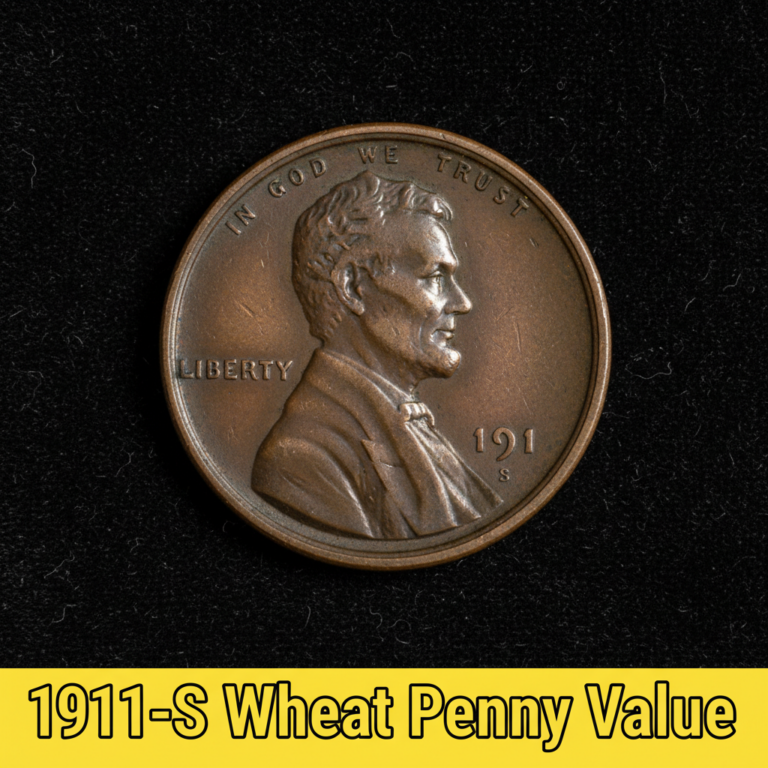
The 1958-D Wheat Penny was minted at the Denver Mint and bears the small “D” mintmark on the obverse, just below the date. This was actually the final year of the beloved Lincoln Wheat Penny series, which had run since 1909. The following year, 1959, the reverse design switched to the Lincoln Memorial. That historical significance alone makes the 1958-D a coin worth keeping an eye on.
Denver produced over 800 million of these coins in 1958, making it one of the highest mintage Wheat Pennies ever struck. That high production number means most circulated examples are not rare — but condition is everything in the coin world. A well-worn example might only be worth face value or slightly above, while a coin that never saw a pocket or a cash register can be worth many times more.
If you’re not sure what you have, using a free coin identifier app is a quick and easy way to get started. These tools can help you identify mintmarks, grade conditions roughly, and understand what you might be holding before you visit a coin dealer.
Understanding the 1958-D Wheat Penny Value by Grade
Coin value is almost entirely driven by grade — how well-preserved the coin is. Collectors use the Sheldon scale, which runs from 1 (barely identifiable) to 70 (perfect). Here’s a general breakdown of what you can expect for the 1958-D Wheat Penny across different grades:
| Grade | Description | Estimated Value |
|---|---|---|
| Good (G-4) | Heavy wear, flat details | $0.10 – $0.25 |
| Fine (F-12) | Moderate wear, some detail | $0.25 – $0.50 |
| Extremely Fine (EF-40) | Light wear on high points | $1 – $2 |
| Uncirculated (MS-63) | No wear, some contact marks | $4 – $8 |
| Gem Uncirculated (MS-65 RD) | Full red luster, sharp strike | $20 – $40+ |
For the most up-to-date pricing in mint state grades, you can review detailed 1958-D Wheat Penny MS-RD price data that tracks recent auction records and dealer prices.
Red, Red-Brown, and Brown — Why Color Matters
One thing that surprises many beginners is that Lincoln Wheat Pennies in uncirculated condition are graded not just by sharpness but also by color. The designations are Red (RD), Red-Brown (RB), and Brown (BN). A coin that retains its original brilliant copper luster is called Red, and it commands the highest prices. As copper ages and oxidizes, coins turn brown — still collectible, but worth less than a red example at the same grade level.
When you see an 1958-D Wheat Penny labeled MS-65 RD, that means it grades Mint State 65 and still blazes with its original red color. These are the coins that serious collectors compete for. An MS-65 BN of the same date might be worth only a fraction of its red counterpart. So if you have a bright, shiny example, take extra care not to clean it — cleaning can permanently reduce a coin’s value.
CoinKnow is a great tool to help you understand these color designations and what they mean for your coin’s value. The app walks you through the basics in plain language so you don’t have to be an expert to get a solid read on what you have.
Errors and Varieties That Can Boost Value
Most 1958-D Wheat Pennies are straightforward coins, but a few error types are known to exist and can dramatically increase value. Doubled die errors — where design elements appear slightly doubled due to a misalignment during the die-making process — are the most sought-after. A strong doubled die on a Wheat Penny can add hundreds of dollars to a coin’s value.
Other errors to watch for include off-center strikes, where the design is not centered on the blank, and broadstrikes, where the collar that shapes the coin’s edge fails. Even minor errors can attract collector interest and bump up prices significantly.
You can find a thorough breakdown of 1958 Penny value information including errors and varieties to see whether your coin might fall into one of these special categories. Taking a close look with a magnifying glass before selling is always worth the extra few minutes.
CoinKnow also lets you photograph your coin and compare it against known error varieties, which is especially useful when you’re not sure what you’re looking at.
How to Sell or Store Your 1958-D Wheat Penny
If your coin looks uncirculated or you suspect an error, consider sending it to a professional grading service like PCGS or NGC before selling. A certified coin in a tamper-evident holder often sells for significantly more than a raw (ungraded) example because buyers trust the grade.
For lower-grade circulated coins, eBay, local coin shows, and coin dealers are all reasonable options. Don’t clean the coin under any circumstances — even a gentle rinse can leave microscopic scratches that experienced collectors will spot immediately.
To keep learning about your collection and track values over time, CoinKnow is a handy companion app that organizes your coins, estimates values, and alerts you when market prices shift.
—
FAQ
Q: Is the 1958-D Wheat Penny rare?
A: Not in circulated condition — over 800 million were minted. However, high-grade examples with full red luster (MS-65 RD and above) are genuinely scarce and can be worth $25 to $40 or more.
Q: How do I know if my 1958-D penny is uncirculated?
A: Look for no signs of wear on Lincoln’s cheekbone and the high points of the wheat stalks on the reverse. The coin should also have some original luster or shine. If it looks dull and flat, it has likely been circulated.
Q: Should I clean my 1958-D Wheat Penny before selling it?
A: Absolutely not. Cleaning removes the coin’s natural patina and surface metals, which destroys collector value. Even a coin that looks dirty is worth more uncleaned than one that has been polished or washed.