1928 Wheat Penny Value No Mint Mark What It’s Worth and Why Collectors Care
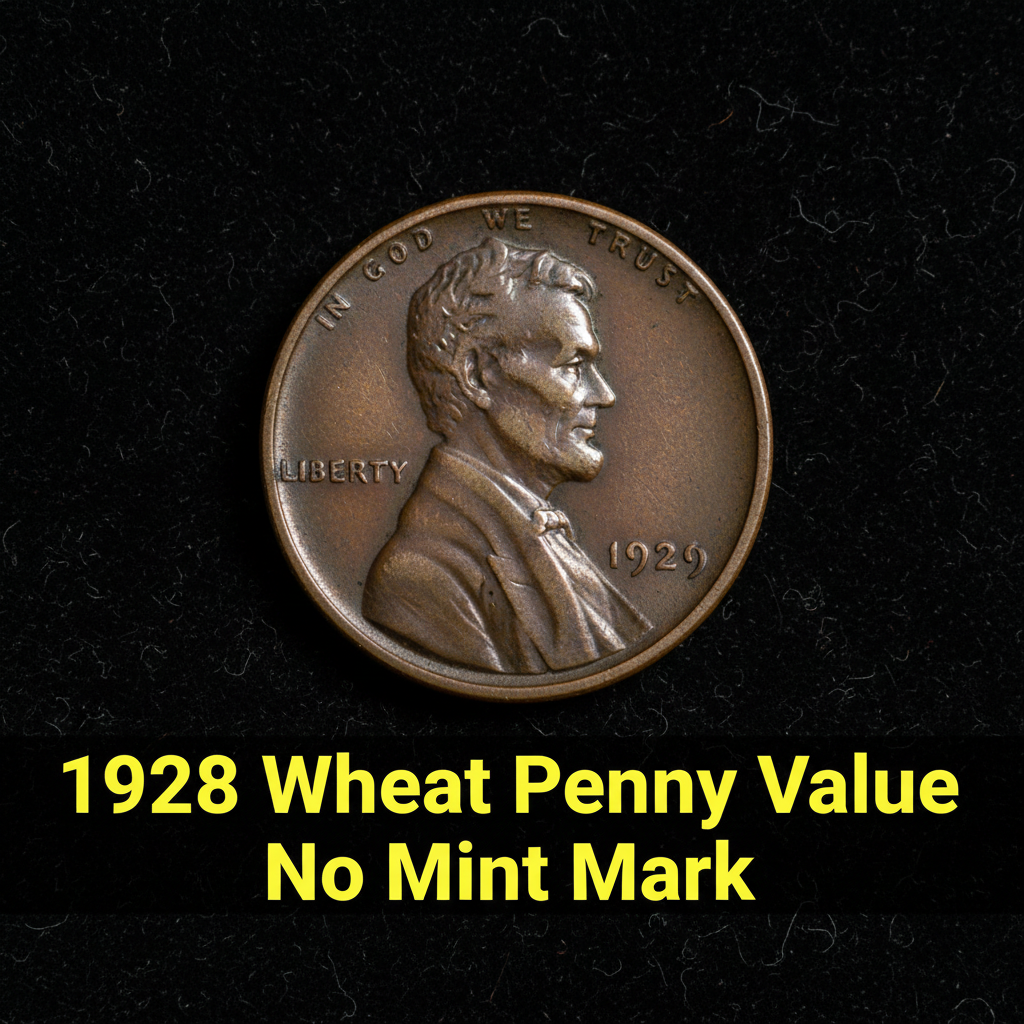
The 1928 Wheat Penny with no mint mark is worth anywhere from $0.15 in heavily worn condition to over $75 or more in high-grade mint state. Most circulated examples fall in the $0.25 to $3 range, making this a common but still collectible coin that rewards patient hunters.
—
What Is the 1928 Wheat Penny No Mint Mark?
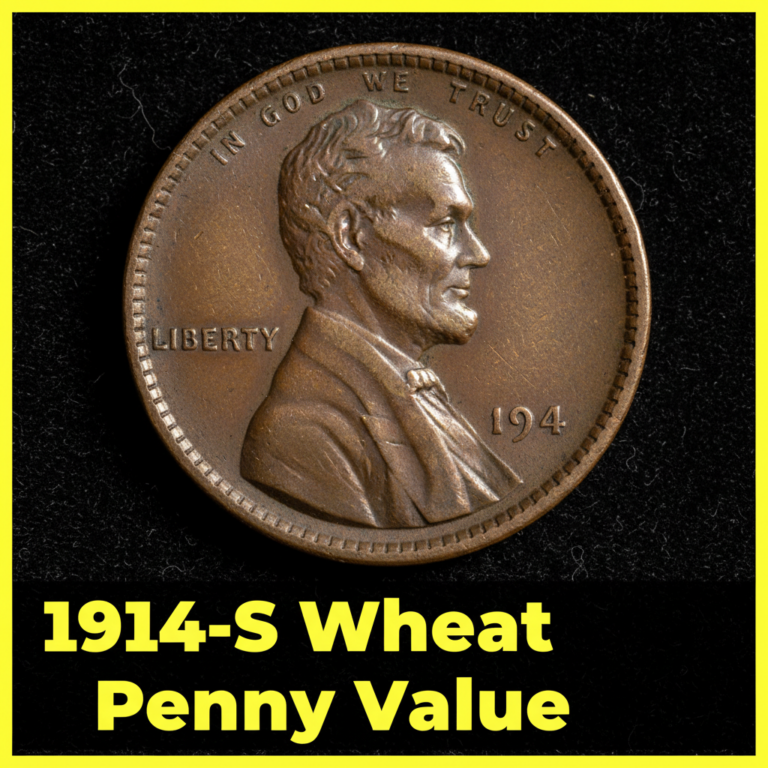
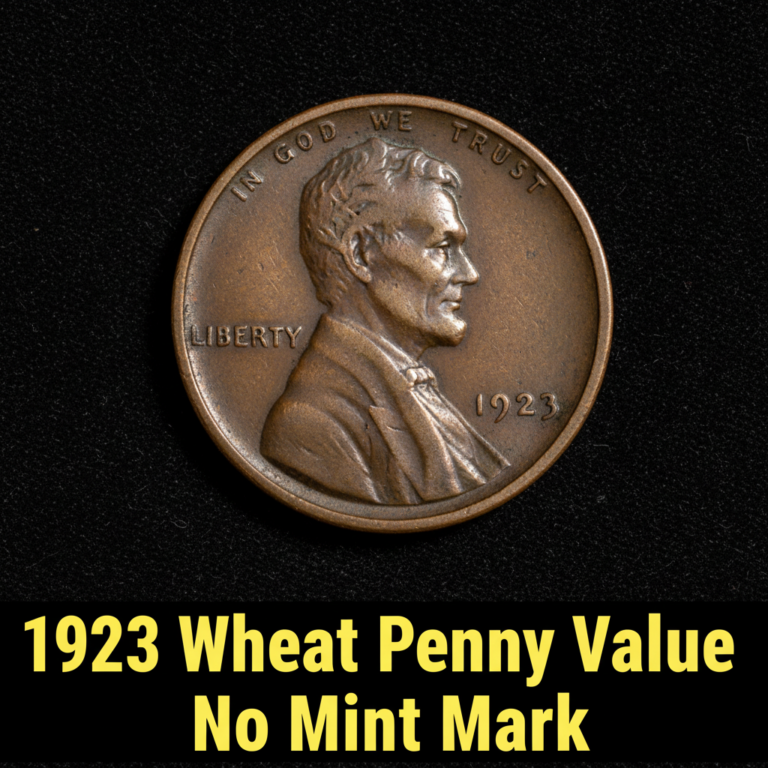
If you’ve dug through an old coin jar and found a 1928 Lincoln cent with no mint mark on the reverse, you’re holding a coin struck at the Philadelphia Mint. During this era, Philadelphia never stamped a mint mark on its coins — that was simply how they did things back then. The obverse features Abraham Lincoln’s portrait designed by Victor David Brenner, while the reverse shows two stalks of wheat framing the words “ONE CENT.” These “Wheat Pennies” were made from 95% copper and have a warm reddish-brown color when well preserved.
The 1928 Philadelphia issue had a mintage of 134,116,000 coins — a high number, which is one reason fully circulated examples are relatively affordable today. However, finding a well-struck, lustrous example in mint state is a different story entirely. If you’re not sure what you have, using a free coin identifier app on your smartphone is a great first step before heading to a dealer or coin show.
—
How Much Is the 1928 Wheat Penny Worth by Grade?
Coin grading is everything when it comes to value. A coin’s condition — officially called its “grade” — is assessed on a scale from 1 (Poor) to 70 (Perfect Mint State). Here’s a simple breakdown of what the 1928 Wheat Penny no mint mark is generally worth across different grades:
| Grade | Condition Description | Estimated Value |
|---|---|---|
| G-4 (Good) | Heavy wear, design visible | $0.15 – $0.35 |
| VG-8 (Very Good) | Moderate wear, clear lettering | $0.35 – $0.75 |
| F-12 (Fine) | Light to moderate wear | $0.75 – $1.50 |
| EF-40 (Extremely Fine) | Light wear on high points | $3 – $6 |
| MS-63 (Mint State) | Uncirculated, minor blemishes | $25 – $45 |
| MS-65 RD (Gem Mint State) | Full red luster, sharp strike | $75 – $150+ |
For more detailed and up-to-date pricing across all grades, you can check out the full 1928 Wheat Penny MS-RD price data at CoinHix, which tracks real auction results so you know what collectors are actually paying.
—
Color Designations and Why Red Coins Are Worth More
One thing that surprises new collectors is that Lincoln cents in mint state are graded not only by sharpness but also by color. The three designations are:
– RD (Red): The coin retains 95% or more of its original mint red luster. These are the most valuable.
– RB (Red-Brown): Between 5% and 95% of original red remains.
– BN (Brown): The coin has fully toned to brown, the lowest value tier.
For the 1928 Wheat Penny no mint mark, the difference between an MS-64 BN and an MS-64 RD can be dramatic — sometimes three to five times the price. If you think you may have a bright red example in uncirculated condition, it’s worth getting a professional opinion. CoinKnow can help you get started by identifying your coin’s grade range using just your phone camera, giving you a reliable baseline before approaching a professional grading service like PCGS or NGC.
—
Key Factors That Affect 1928 No Mint Mark Penny Value
Beyond grade and color, a few other factors influence what a buyer will pay:
Strike quality plays a role. Some 1928 Philadelphia cents were softly struck, leaving details like Lincoln’s cheekbone or the wheat stalks looking mushy. A sharply struck example commands a premium.
Eye appeal matters too. A coin with original surfaces, no cleaning, and no distracting scratches will always attract more competitive bidding at auction.
Errors and varieties can multiply value significantly. While the 1928 Philadelphia issue doesn’t have a major well-known variety, doubled die errors or off-center strikes do occasionally turn up. If something looks “off” about your coin, CoinKnow offers an easy way to snap a photo and start researching whether it might be an error worth more than face value.
For a full breakdown of 1928 penny values — including the Denver and San Francisco mint mark versions — this comprehensive 1928 penny value guide covers all three mint varieties and their price ranges in one convenient place.
—
FAQ
Q: How do I know if my 1928 penny has no mint mark?
A: Flip your coin over and look just below the “ONE CENT” text on the reverse, between the wheat stalks. If there’s no small letter there — no “D” for Denver, no “S” for San Francisco — then it was made in Philadelphia and carries no mint mark. That’s your 1928 no mint mark Wheat Penny.
Q: Is a 1928 Wheat Penny with no mint mark rare?
A: Not particularly. Over 134 million were struck in Philadelphia that year, so circulated examples are easy to find. What’s rare and valuable is a high-grade, full red mint state example. Those are genuinely scarce and can sell for $75 to well over $150 depending on grade.
Q: Should I clean my 1928 Wheat Penny before selling it?
A: Absolutely not. Cleaning a coin — even with gentle soap and water — removes the natural patina and can damage microscopic surface details that graders look for. A cleaned coin is almost always worth less than an uncleaned one in the same grade. Leave it as-is and let CoinKnow or a professional grader assess it in its current state.