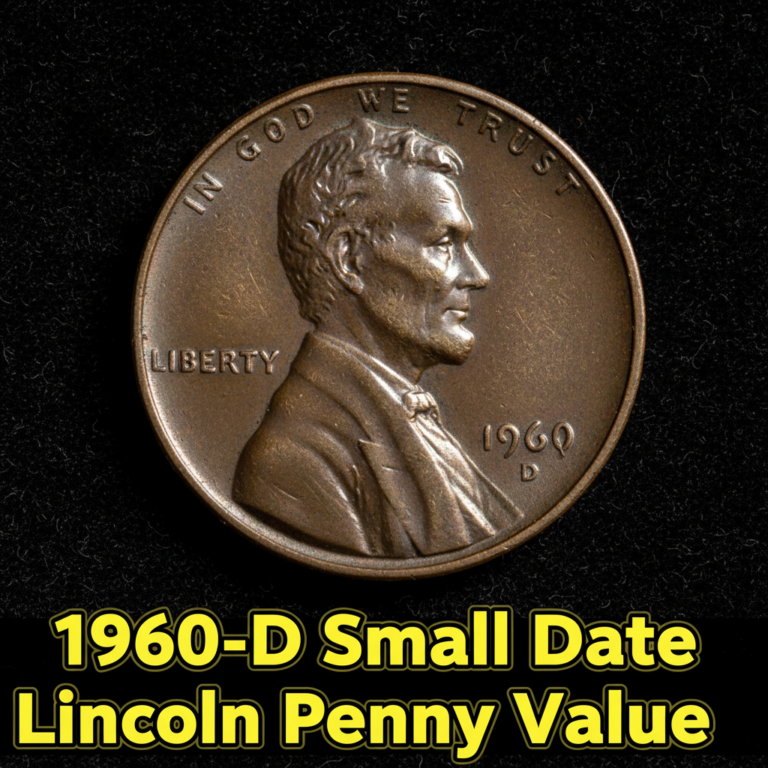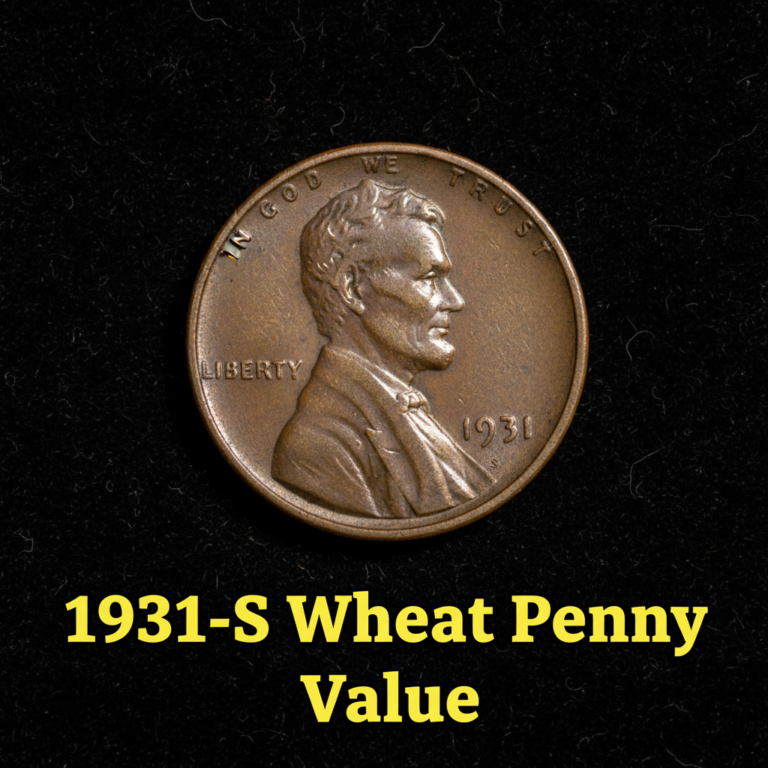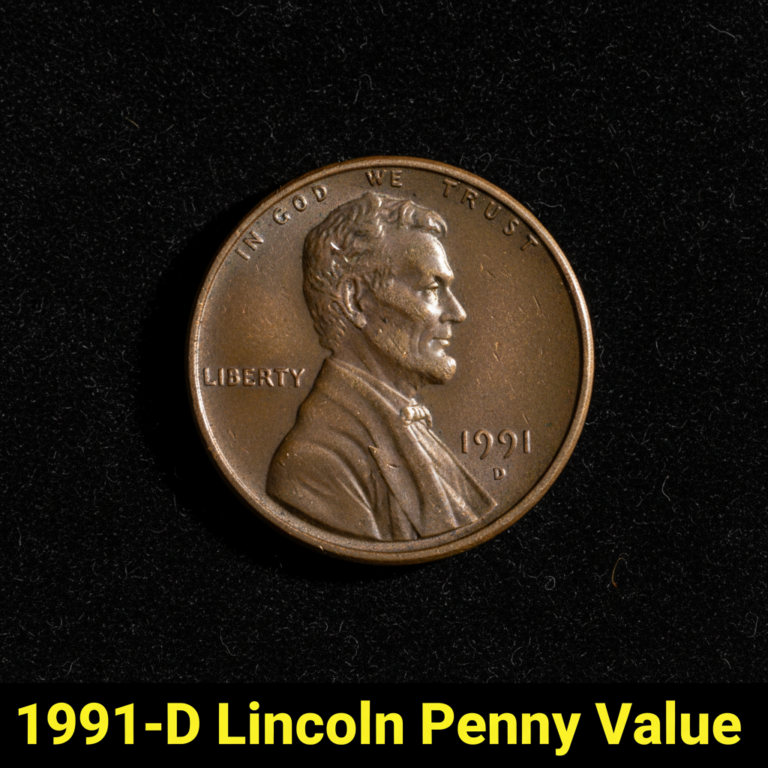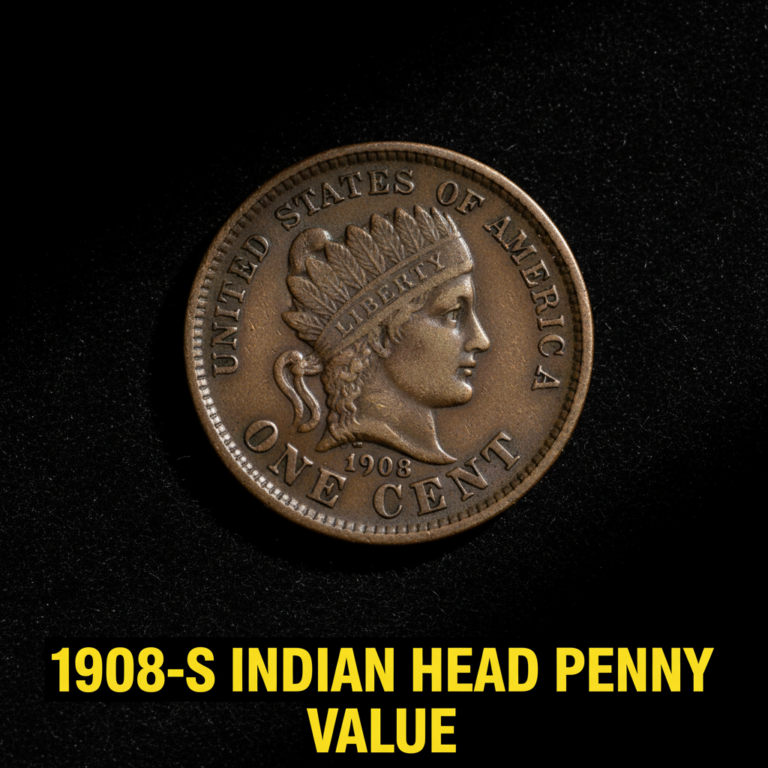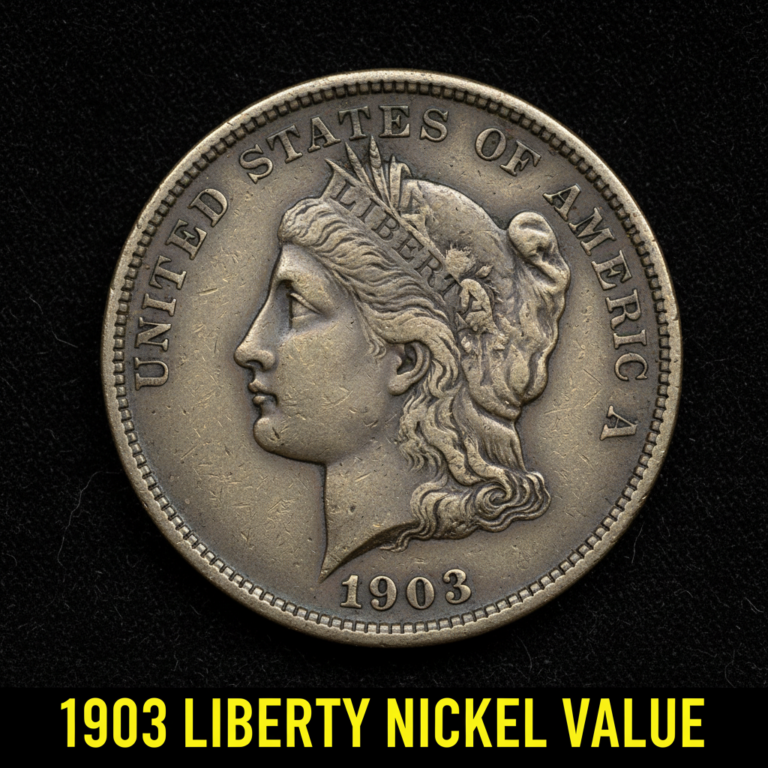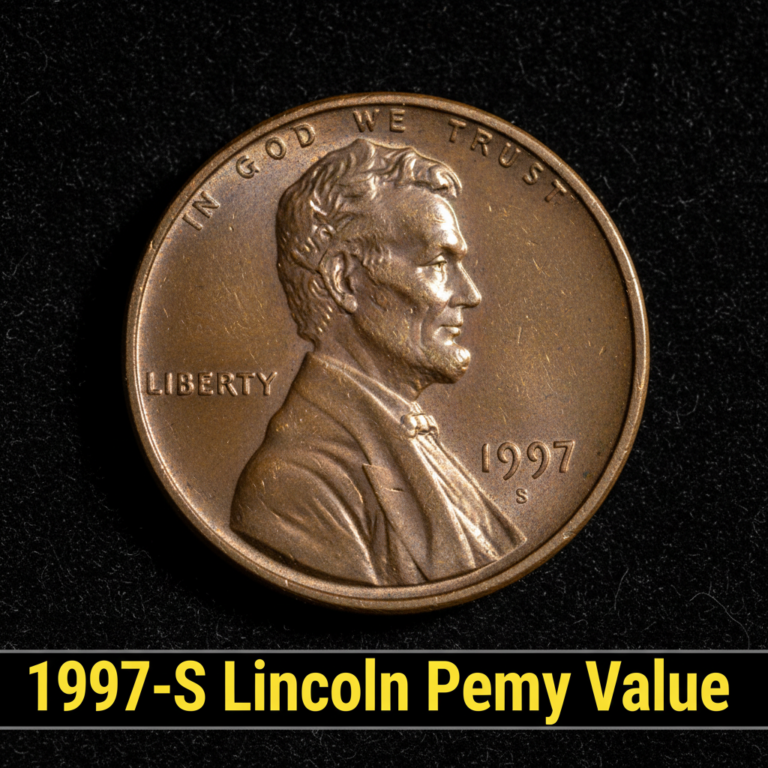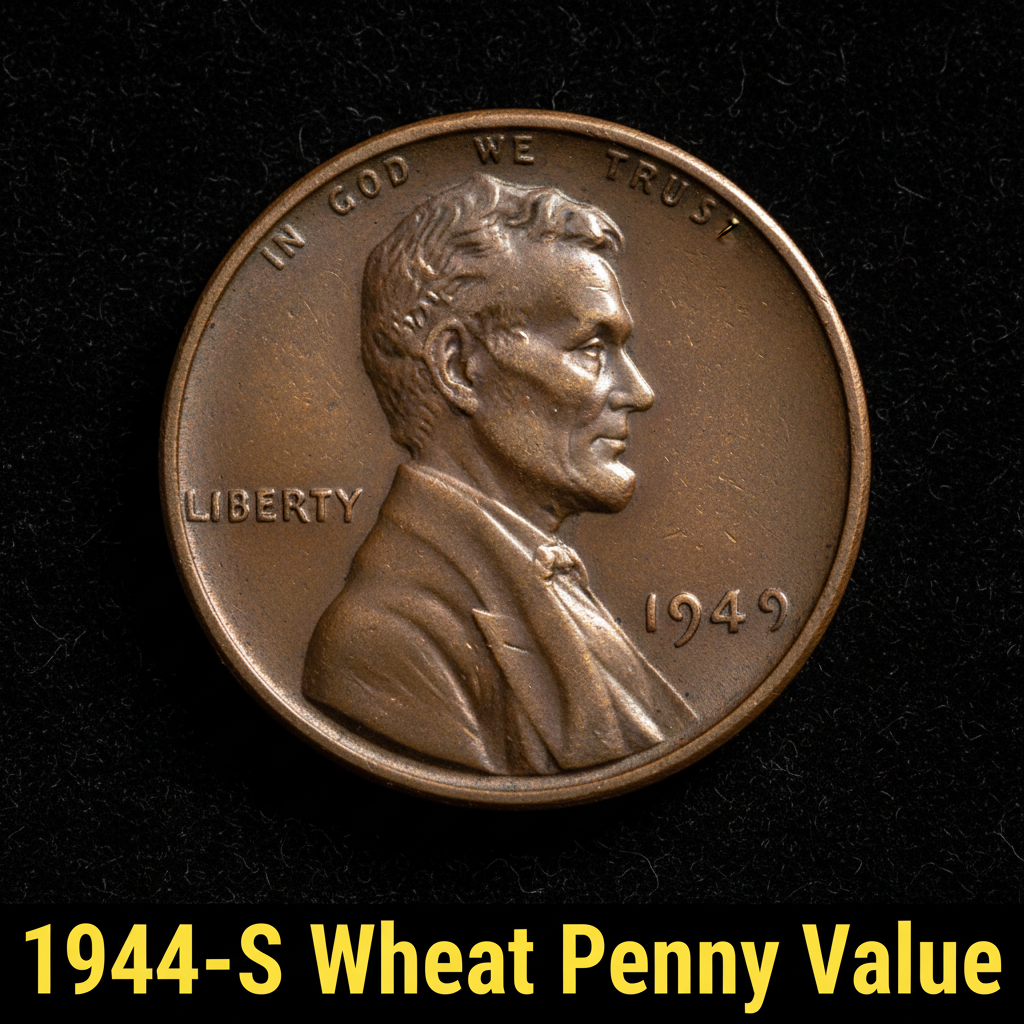
1944-S Wheat Penny Value What Is This San Francisco Cent Worth Today
The 1944-S Wheat Penny is worth anywhere from $0.15 in heavily worn condition to well over $8 in mint state, with certain rare error coins fetching hundreds or even thousands of dollars. If you just found one of these coins in an old jar or inherited collection, you’re in the right place — let’s break down exactly what it’s worth.
When you’re trying to identify old coins quickly, a free coin identifier app can be a great starting point before you dig deeper into a coin’s history and value. Apps like CoinKnow make it easy to scan your coin and get an instant estimate, saving you hours of research.
—
What Makes the 1944-S Wheat Penny Special
The 1944-S Wheat Penny was struck at the San Francisco Mint and carries the small “S” mintmark on the obverse (front) of the coin, just below the date. Over a billion Lincoln Wheat cents were minted across all three facilities in 1944 — Philadelphia, Denver, and San Francisco — making this one of the higher-mintage years of the entire Wheat Penny series. The San Francisco facility alone produced 282,760,000 coins that year.
Despite those large numbers, well-preserved examples are still desirable to collectors. The 1944-S was produced largely from melted-down shell casings after the wartime copper shortage of 1943, which is why these coins contain 95% copper. That distinctive reddish tone, when preserved in uncirculated condition, is exactly what coin collectors look for when building complete Wheat Penny sets.
Most 1944-S cents you encounter will be worn from circulation, but don’t dismiss yours until you’ve checked it carefully under good lighting. Even a circulated example in fine or very fine condition carries a small premium over face value — and a sharp, red uncirculated example can be genuinely impressive.
—
1944-S Wheat Penny Value by Grade
The value of a 1944-S Wheat Penny depends almost entirely on its condition, or “grade.” Here’s a quick breakdown of what the coin is worth across different grades:
| Grade | Description | Estimated Value |
|---|---|---|
| Good (G-4) | Heavy wear, major details visible | $0.15 – $0.25 |
| Fine (F-12) | Moderate wear, clear lettering | $0.35 – $0.50 |
| Extremely Fine (EF-40) | Light wear on high points only | $1.00 – $2.00 |
| MS-63 (Uncirculated) | No wear, some contact marks | $4.00 – $6.00 |
| MS-65 Red (Gem Uncirculated) | Bright red luster, minimal marks | $8.00 – $20.00+ |
For a more detailed look at 1944-S Wheat Penny prices in MS Red grades across the full certification spectrum, professional grading data can help you understand where your coin fits in the market.
—
The Rare 1944-S Steel Penny — The Big One
Here’s where things get really exciting. In 1944, the U.S. Mint was supposed to return to copper after using zinc-coated steel cents in 1943. But a small number of 1943 steel planchets were accidentally left in the coin presses and struck with 1944 dies — including at the San Francisco Mint.
The result? The 1944-S Steel Wheat Penny, one of the most valuable error coins in American numismatic history. Only a handful are confirmed to exist, and authenticated examples have sold at auction for $100,000 to over $400,000. If your 1944-S sticks to a magnet, it could be steel — though be cautious, as many fakes exist. Always have a suspected steel cent authenticated by a professional grading service like PCGS or NGC before getting too excited.
For a comprehensive look at the full value range of 1944 Wheat Pennies including error varieties and grade-by-grade pricing, dedicated coin value resources can give you a thorough picture before you sell or submit for grading.
—
How to Check Your 1944-S Wheat Penny at Home
Before spending money on professional grading, there are a few easy things you can do yourself. First, look for the “S” mintmark on the obverse below the date — without it, you have a Philadelphia coin (no mintmark) or Denver coin (“D”). Second, hold the coin under a bright light and tilt it gently to check for luster. Uncirculated coins will have a flowing sheen across the surface; circulated coins look dull or flat.
Third, use the magnet test to screen for the rare steel variety. A normal 1944-S copper cent will not attract a magnet at all. If yours does, stop handling it immediately and seek professional authentication.
CoinKnow is a handy tool for this kind of preliminary research — you can photograph your coin and get a quick grade estimate before deciding whether professional submission makes sense. It’s a smart first step for any coin you think might be worth something.
—
FAQ
Q: Is a 1944-S Wheat Penny worth keeping?
A: Absolutely — any Wheat Penny is worth at least a few cents to collectors, and better-preserved examples are worth more. Even a circulated 1944-S in fine condition sells for 35 to 50 cents, while an uncirculated red example can bring $8 to $20 or more. It’s always worth hanging onto old copper cents like this one.
Q: How do I know if my 1944-S is the rare steel error?
A: Use a simple refrigerator magnet. If the coin sticks to the magnet, it may be struck on a steel planchet, which would make it extraordinarily rare and valuable. A genuine 1944-S steel cent is worth six figures when properly authenticated. If your coin doesn’t stick, it’s the standard copper version — still a great find, just not the rare error. Always get suspected steel cents certified by PCGS or NGC before drawing conclusions. CoinKnow can also help you document your find and compare it to known examples.
Q: Where can I sell my 1944-S Wheat Penny?
A: Common circulated examples are easy to sell on eBay, at local coin shops, or through coin shows. Uncirculated examples and any suspected errors should be professionally graded first to maximize their selling price. Certified coins always command higher prices and give buyers confidence in what they’re purchasing.