1974-D Lincoln Penny Value Guide What Is It Worth Today
The 1974-D Lincoln Penny is worth anywhere from a few cents in circulated condition to over $10 or more in pristine uncirculated grades, with top-tier certified examples occasionally reaching $50 and beyond. If you found one of these coins in your change jar or an old collection, here’s exactly what you need to know.
—
What Makes the 1974-D Lincoln Penny Special
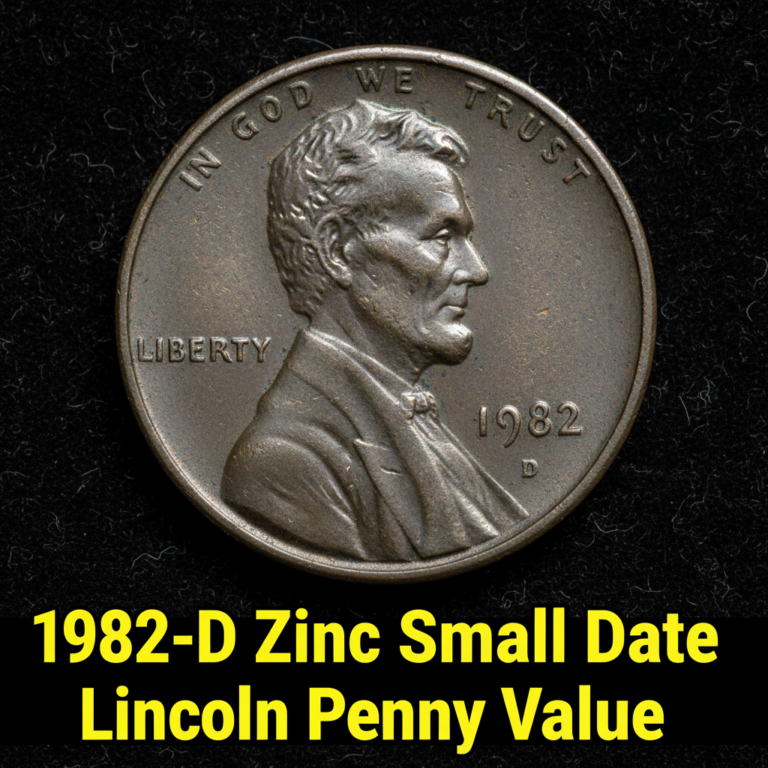
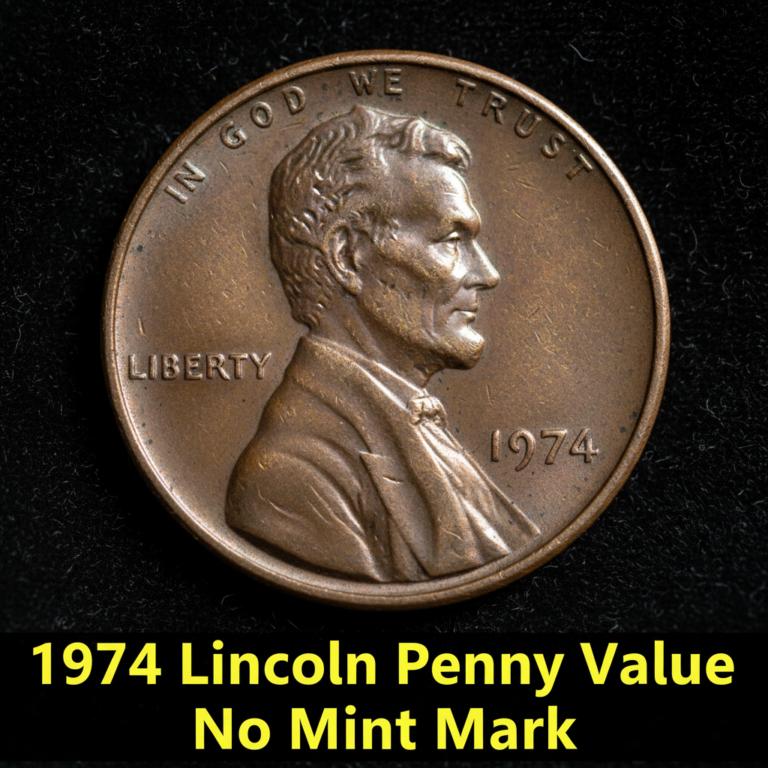
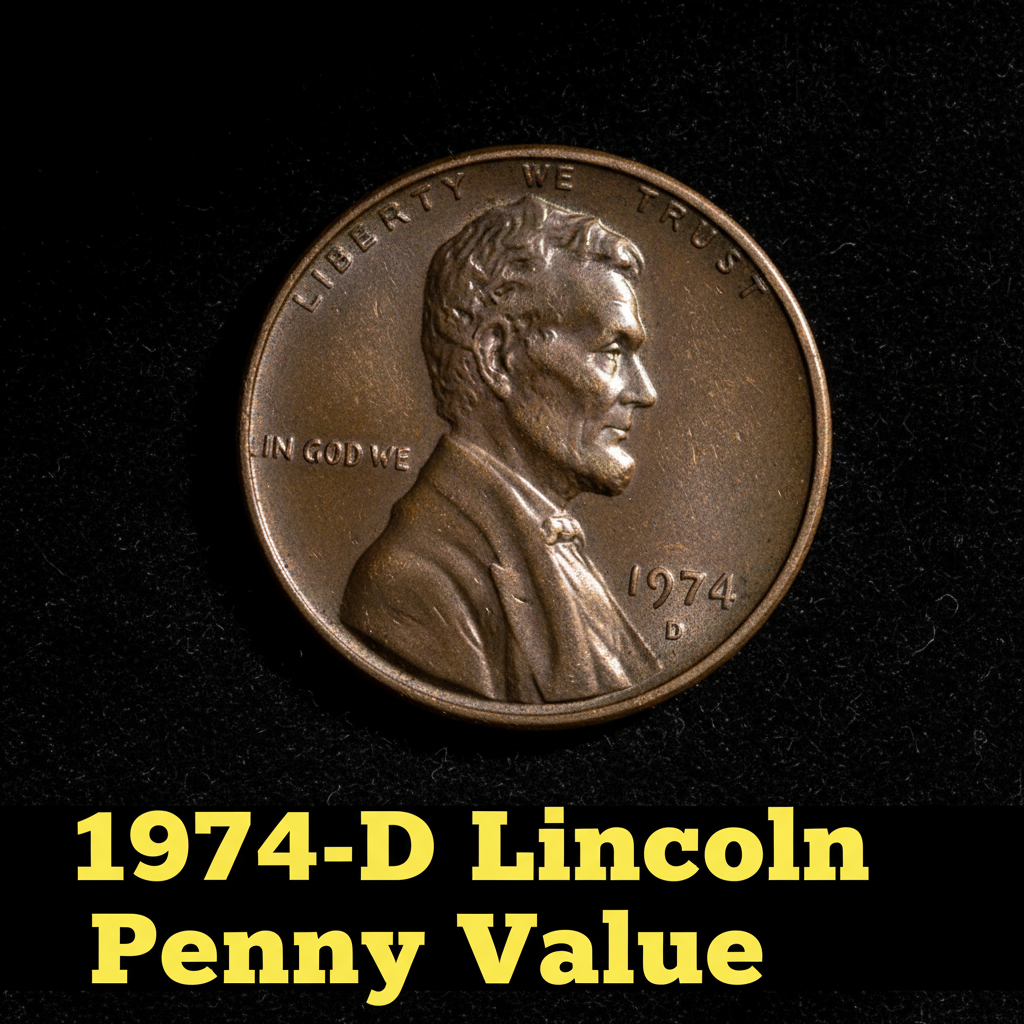
The 1974-D Lincoln Penny was struck at the Denver Mint during a period of high coin production in the United States. The small “D” mintmark beneath the date on the obverse tells you exactly where it came from. Denver produced a massive quantity of Lincoln cents that year — over 4.2 billion coins — which is why most examples you come across today are relatively common and not worth a premium in heavily worn condition.
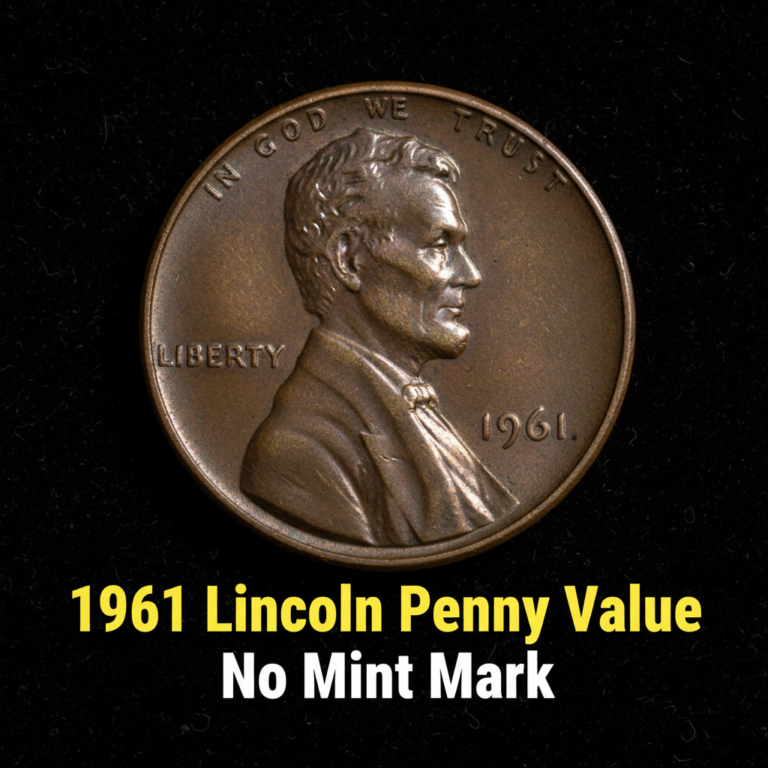
That said, don’t toss it in a piggy bank just yet. Coin condition matters enormously. A 1974-D penny that has been sitting in circulation for decades will show wear on Lincoln’s cheek, the hair details, and the lettering. These coins are graded on a scale from Poor (P-1) up to Mint State 70 (MS-70), and the difference in value between a worn example and a gem uncirculated one can be dramatic.
If you’re not sure what grade your coin might be, a free coin identifier app can give you a helpful starting point before you take it to a professional dealer or grading service. Tools like CoinKnow make it incredibly easy to snap a photo of your coin and get an instant condition estimate right from your smartphone.
—
1974-D Lincoln Penny Value by Grade
Here’s where things get interesting. The value of your 1974-D penny depends almost entirely on its grade. Below is a general value breakdown based on current market data:
| Grade | Condition Description | Estimated Value |
|---|---|---|
| Good (G-4) | Heavy wear, flat details | $0.05 – $0.10 |
| Fine (F-12) | Moderate wear, major details visible | $0.10 – $0.25 |
| Extremely Fine (EF-40) | Light wear on high points | $0.25 – $0.75 |
| MS-63 (Uncirculated) | No wear, some contact marks | $1 – $5 |
| MS-65 Red (Gem Uncirculated) | Bright original luster, minimal marks | $8 – $20 |
| MS-67 Red (Superb) | Near perfect, virtually flawless | $40 – $100+ |
For the most up-to-date auction results and certified coin sales, you can browse detailed 1974-D Lincoln penny price data by grade and color designation to see what real buyers are paying right now.
—
Red, Brown, and RB — Why Coin Color Matters
One detail that surprises many new collectors is that Lincoln cents are also graded by color, not just wear. A copper penny can be described as Red (RD), Red-Brown (RB), or Brown (BN), and this color designation directly affects its value.
A fully Red 1974-D penny that has never been exposed to air or moisture will carry the highest premium because it retains the original brilliant copper luster. Red-Brown coins have some toning but are still attractive. Brown coins, while perfectly collectible, are the most common and least valuable of the three.
When you’re evaluating your 1974-D penny, tilt it gently under a light. If it still glows with that warm orange-red copper shine, you likely have a Red example — and that’s the one worth holding onto. If your coin has darkened significantly, it’s still a great piece of history, just not the high-dollar variety.
—
Errors and Varieties That Could Make Your 1974-D Penny Worth More
Most 1974-D Lincoln pennies are standard issues, but error coins do exist and can be worth significantly more than face value. Keep an eye out for the following:
– Doubled Die Obverse (DDO): Look closely at the date and the word LIBERTY under magnification. If the numbers or letters appear doubled, you may have a variety worth $25 to $100 or more.
– Off-Center Strikes: If the design is noticeably off-center, these errors attract collector interest and can fetch $10 to $50 depending on how dramatic the shift is.
– Die Cracks and Cuds: Raised lines or blobs on the coin’s surface caused by a cracked die add a small premium.
Use CoinKnow to photograph potential errors with your phone — the app helps you identify whether you might be holding something out of the ordinary. For a full breakdown of what your specific 1974-D penny could be worth based on current market trends, the complete 1974 penny value guide with pricing for all mint marks and grades is an excellent resource to bookmark.
—
Should You Get Your 1974-D Penny Graded?
Professional coin grading through services like PCGS or NGC is generally worth considering only if your coin appears to be in MS-65 or higher condition, or if you believe you have a genuine error variety. The cost of grading (typically $20–$40 per coin for standard submissions) makes it economically unwise for a worn circulated example.
For most everyday finds, a quick check with CoinKnow or a visit to a local coin shop will give you a reliable ballpark. Dealers can evaluate your coin in person and tell you whether it’s worth the investment of a professional grade.
—
FAQ
Q: Is the 1974-D Lincoln penny rare?
A: No, the 1974-D penny is not considered rare. Over 4.2 billion were minted in Denver that year, making it a very common coin. However, high-grade uncirculated examples and error coins can still carry collector premiums.
Q: What is the most valuable 1974-D penny ever sold?
A: Top-grade examples certified MS-67 Red by PCGS or NGC have sold for $100 or more at auction. Extraordinary gem examples with perfect strikes and surfaces can occasionally exceed that range.
Q: How can I tell if my 1974-D penny has a doubling error?
A: Use a 5x to 10x magnifying loupe and examine the date digits and the word LIBERTY closely. Doubling appears as a shadow or offset image next to the primary lettering. You can also use a coin identification app like CoinKnow to get a closer digital look before consulting a professional.