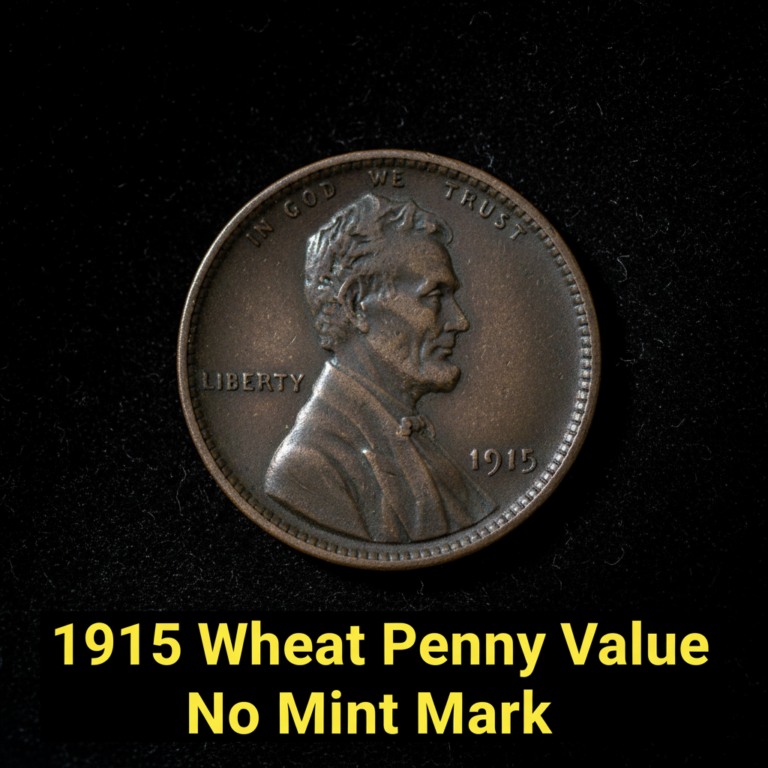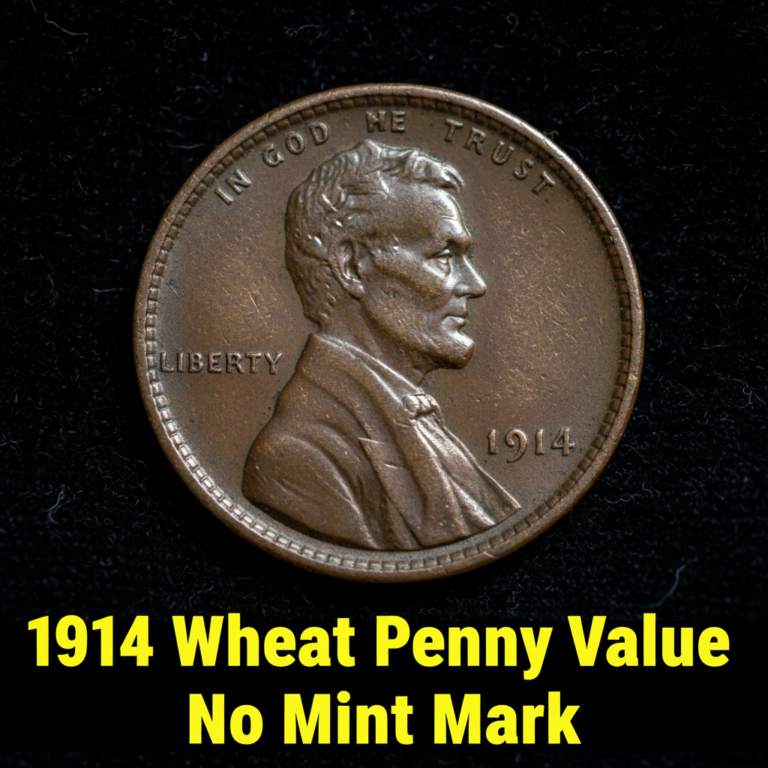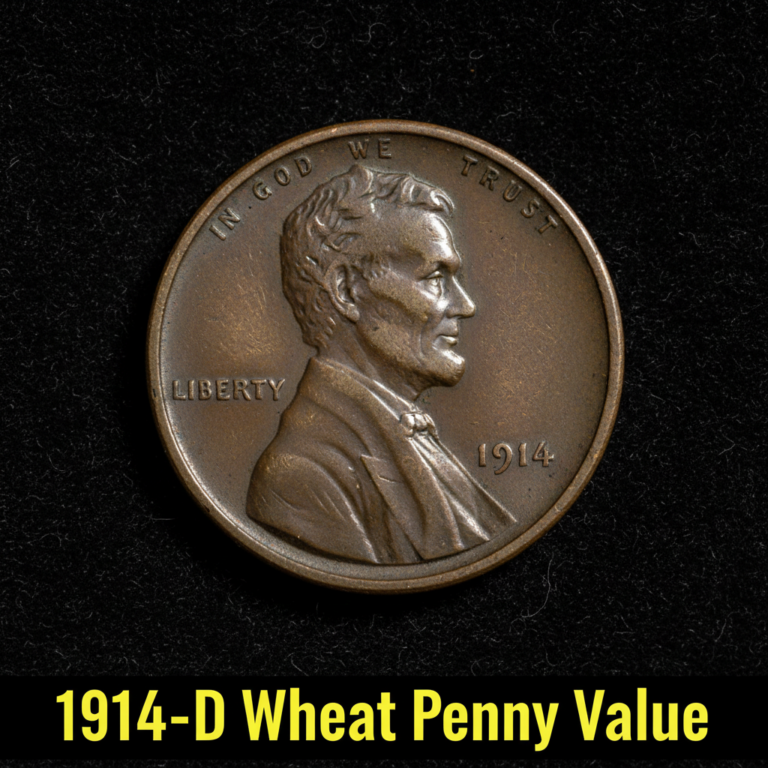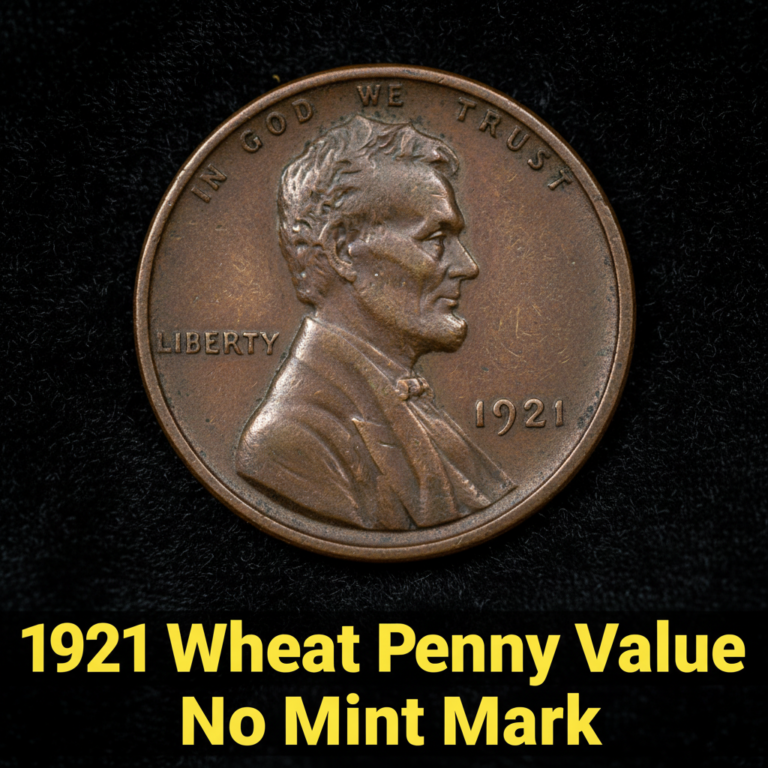
1990 Lincoln Penny Value No Mint Mark What It’s Worth and Why It Matters
The 1990 Lincoln Penny with no mint mark is worth anywhere from a few cents in heavily worn condition to $10 or more in certified mint state grades, with top examples grading MS-68 Red selling for hundreds of dollars at auction. If you found one in your change jar, you might be sitting on a small but real treasure.
Before we dig into the numbers, if you’re not sure which version of the 1990 penny you have, using a free coin identifier app can help you quickly confirm the mint mark, condition, and variety — especially useful before you head to a dealer or auction site. CoinKnow is one of the most popular options among coin hunters, letting you scan and identify coins right from your phone in seconds.
—
What the 1990 No Mint Mark Lincoln Penny Actually Looks Like
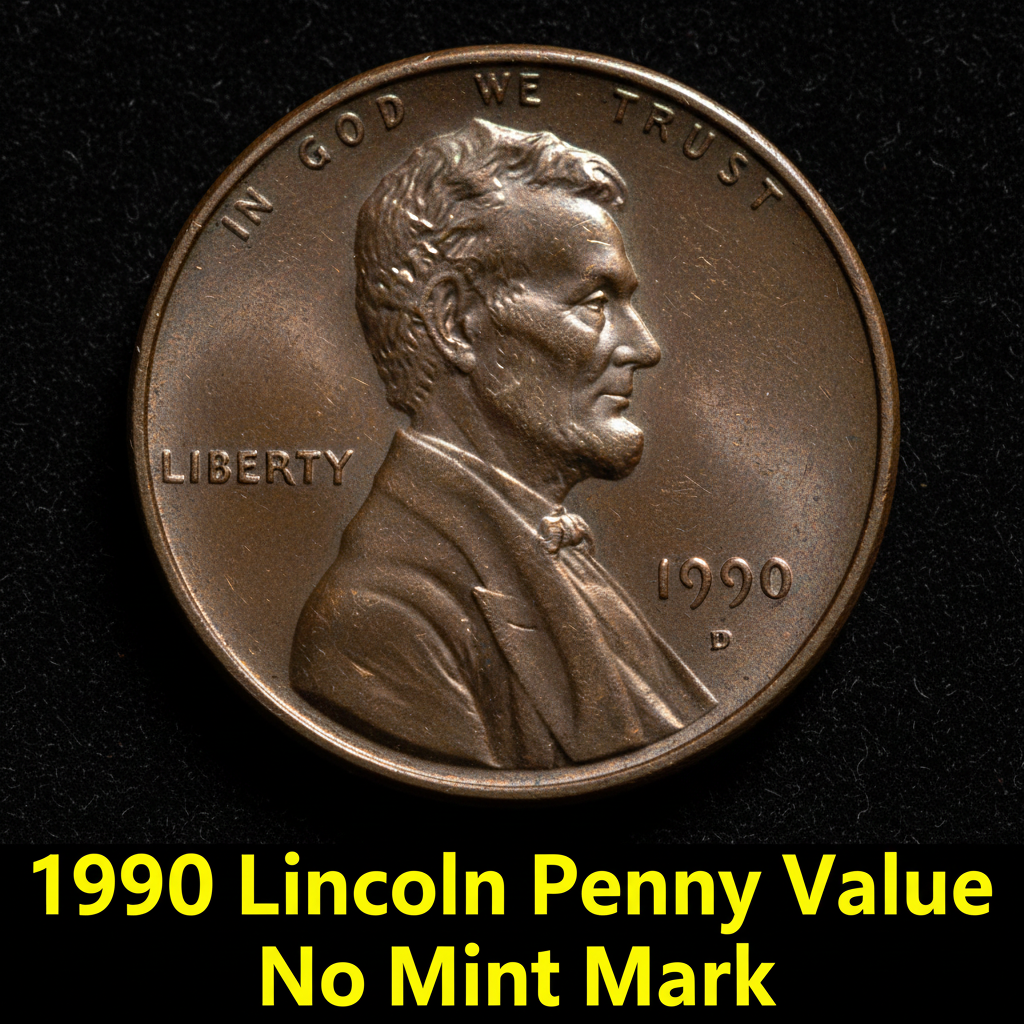
The 1990 Lincoln Cent with no mint mark was struck at the Philadelphia Mint. Here’s a quick fact: Philadelphia coins from this era don’t carry a “P” mint mark — they simply have nothing below the date on the obverse. That’s completely normal and doesn’t mean anything is wrong with your coin.
The obverse features the classic portrait of Abraham Lincoln designed by Victor David Brenner, which has appeared on the penny since 1909. The reverse shows the Lincoln Memorial, a design that ran from 1959 to 2008. The coin is made of copper-plated zinc — 97.5% zinc with a thin copper coating — not solid copper like the pre-1982 pennies. The total weight is 2.5 grams.
Billions of these coins were produced in 1990 at Philadelphia alone (roughly 6.85 billion), which is why most circulated examples are worth only face value. But condition changes everything, as you’ll see below.
—
1990 No Mint Mark Penny Value by Grade
Here’s a straightforward breakdown of what your coin might be worth depending on its condition:
| Grade | Description | Estimated Value |
|---|---|---|
| Good (G-4) | Heavy wear, design visible | $0.01 – $0.05 |
| Fine (F-12) | Moderate wear | $0.05 – $0.25 |
| Extremely Fine (EF-40) | Light wear on high points | $0.25 – $1.00 |
| MS-63 Red | Uncirculated, minor marks | $1.00 – $5.00 |
| MS-65 Red | Gem uncirculated | $5.00 – $15.00 |
| MS-68 Red | Superb gem, near perfect | $100 – $500+ |
For a more complete breakdown of certified auction prices and recent sales, you can check out detailed 1990 Lincoln Penny MS-RD price data by grade to see exactly what top-graded examples have sold for.
—
The Special 1990 No Mint Mark Proof Error Penny
Here’s where things get really interesting. In 1990, the U.S. Mint accidentally produced a small number of Proof pennies without the “S” mint mark that proof coins normally carry. These coins — known as the 1990 No-S Proof Lincoln Cent — are among the most famous modern error coins in American numismatics.
While ordinary 1990 Philadelphia pennies are common, the 1990 No-S Proof error is incredibly rare. Only a few hundred are believed to exist. These coins have sold at auction for anywhere from $2,000 to over $7,000 depending on grade and certification. If your 1990 penny looks unusually sharp and mirror-like, it might be a proof coin worth having professionally examined.
Don’t confuse it with a regular business strike. Proof coins have highly polished fields and frosted devices — they look almost too perfect. CoinKnow can help you distinguish between a regular strike and a proof coin using just your phone camera, which is a great first step before paying for professional grading.
—
What Makes a 1990 Penny More Valuable
Even among regular 1990 Philadelphia pennies, a few factors drive up value significantly:
Color designation plays a big role. PCGS and NGC grade copper-plated zinc cents as Red (RD), Red-Brown (RB), or Brown (BN). Red coins with full original luster are always worth the most. A 1990 MS-65 Red penny outvalues an MS-65 Brown example by several multiples.
Strike quality matters too. Some 1990 pennies came off the press with weak strikes or die issues that reduce their appeal, while others show crisp, fully defined details.
Surface preservation is critical. Bag marks, contact marks, and hairlines all knock down a coin’s grade — and its value. Coins that were pulled from mint bags and immediately stored in soft holders tend to grade the highest.
You can explore the full 1990 penny value guide including all mint marks and varieties to understand how these factors combine to determine what a collector might actually pay.
—
FAQ
Q: Is a 1990 penny with no mint mark worth anything?
A: Most circulated 1990 pennies with no mint mark are worth only face value — one cent. However, uncirculated examples in MS-65 Red or higher can fetch $5 to $500 or more depending on grade. The extremely rare 1990 No-S Proof error can be worth thousands.
Q: How do I know if my 1990 penny is a proof coin?
A: Proof coins have a mirror-like background (field) and frosted raised design elements. They also typically show no signs of circulation. If your 1990 penny looks unusually sharp and reflective, it’s worth getting it examined. Use CoinKnow for a quick first look, then consider professional grading through PCGS or NGC.
Q: Should I clean my 1990 penny to make it look better?
A: Absolutely not. Cleaning a coin — even gently — removes the original surface and dramatically reduces its numismatic value. Collectors and graders can always spot a cleaned coin, and cleaned coins are worth significantly less than problem-free examples, even in lower grades. Leave it exactly as you found it.