1861 Indian Head Penny Value: What Your Old Coin Could Be Worth
If you’ve stumbled across an 1861 Indian Head penny in an old jar or inherited coin collection, you’re in the right place. Using a free coin identifier app can help you get started, but this guide will walk you through everything you need to know about the 1861 Indian Head penny value — from circulated examples to rare high-grade specimens.
What Is the 1861 Indian Head Penny?
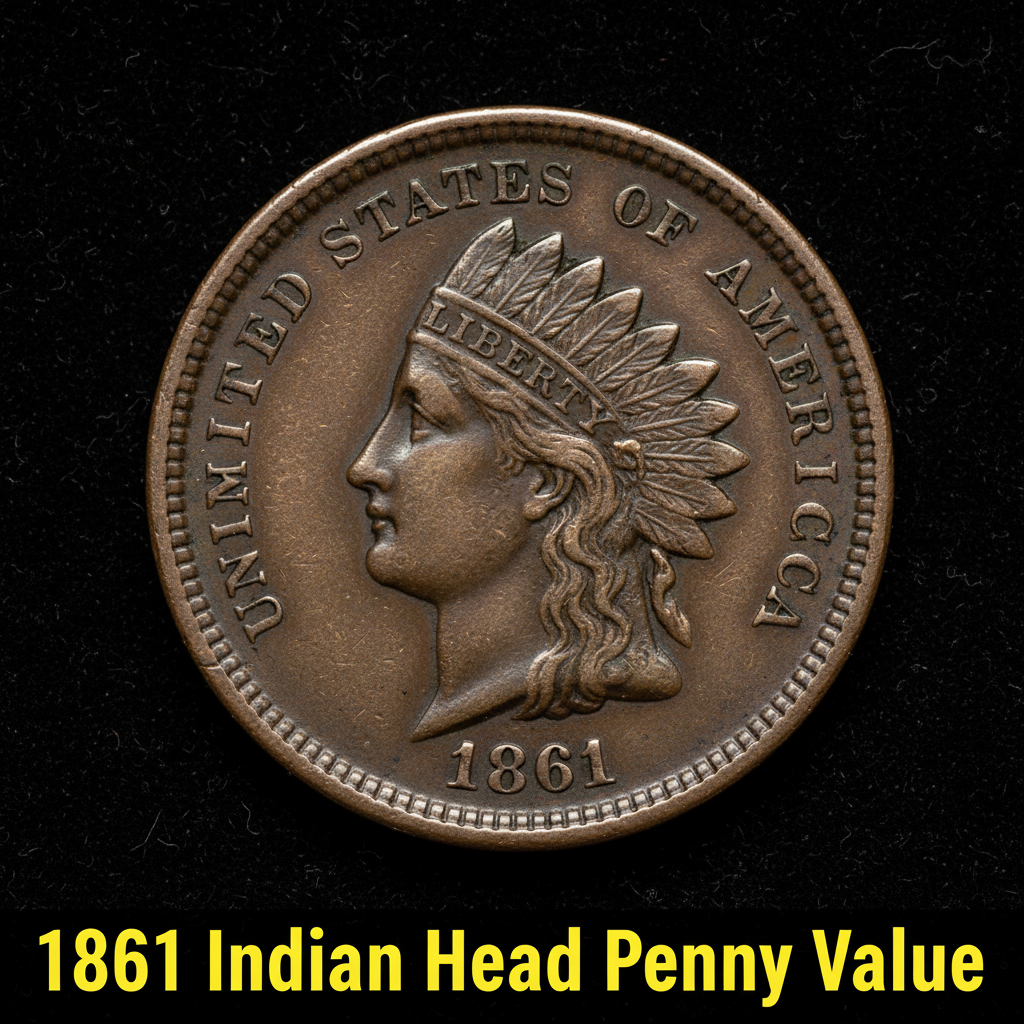
The 1861 Indian Head cent is part of one of America’s most beloved coin series, first introduced in 1859 by the U.S. Mint. Designed by James B. Longacre, the obverse features a portrait of Lady Liberty wearing a Native American headdress — a design that gave the series its popular name. The reverse displays a wreath and the words “ONE CENT.”
What makes the 1861 issue particularly interesting is its historical context. It was struck during the very first year of the Civil War, which disrupted coin production and circulation significantly. The Philadelphia Mint struck approximately 10,084,000 examples that year, making it a moderately common date in lower grades but still quite desirable among collectors. These coins were made from copper-nickel, giving them a distinct pale appearance compared to the later bronze issues.
How Much Is an 1861 Indian Head Penny Worth?
The 1861 Indian Head penny value varies widely depending on condition. A heavily worn coin might only fetch a few dollars, while a pristine, uncirculated example can command hundreds. Here’s a general value breakdown based on coin grade:
| Grade | Description | Estimated Value |
|---|---|---|
| Good (G-4) | Heavy wear, outline visible | $10 – $15 |
| Very Good (VG-8) | Major features clear | $18 – $25 |
| Fine (F-12) | Moderate wear, lettering sharp | $30 – $45 |
| Extremely Fine (EF-40) | Light wear on high points | $80 – $120 |
| Mint State (MS-63) | Uncirculated, minor marks | $250 – $400 |
| Mint State (MS-65) | Gem uncirculated | $700 – $1,200+ |
Keep in mind these are approximate retail values. Actual prices can fluctuate based on the current coin market and buyer demand. For a quick estimate on the go, CoinKnow is a fantastic tool that can help you identify and value old coins like this in seconds.
How to Grade Your 1861 Indian Head Cent
Grading is the single most important factor in determining your coin’s value. Look closely at the feathers in Lady Liberty’s headdress and the curls behind her neck — these are the first areas to show wear. On a well-worn coin in Good condition, the portrait will still be recognizable but the fine details will be flat.
In Very Fine or Extremely Fine condition, you should see clear separation between the feather tips and visible hair strands. Uncirculated coins will show original mint luster — a subtle sheen that rolls across the surface when you tilt the coin under light.
If you’re not sure where your coin falls, don’t guess. CoinKnow offers an easy-to-use coin grading assistant that can walk you through the grading process with visual comparisons, so you don’t have to be a numismatist to get a reliable estimate.
Are There Any Rare Varieties of the 1861 Indian Head Penny?
Yes! The 1861 Indian Head penny has a few known varieties that specialists look for. One notable variety involves a repunched date, where the digits appear slightly doubled due to the die being punched more than once during production. These varieties can command a small premium over standard examples.
There is also a well-documented “transitional” context for this series — 1861 was one of the last years before the coin’s composition changed. The copper-nickel alloy used in 1861 cents made them harder and brighter than later bronze issues, which some collectors specifically seek out.
While major rare varieties can push values considerably higher, most 1861 cents you find will be standard Philadelphia strikes. A professional coin grading service like PCGS or NGC can authenticate varieties and add significant credibility — and value — to your piece.
Where to Sell Your 1861 Indian Head Penny
Once you know what your coin is worth, you have several solid options for selling. Online platforms like eBay or Heritage Auctions attract active coin buyers who pay fair market prices. Local coin dealers are convenient but may offer 50–70% of retail value. Coin shows are another great venue where you can get multiple offers in one afternoon.
Before selling, make sure you have a realistic idea of what your coin should fetch. Download CoinKnow to get an up-to-date market estimate and make sure you’re not leaving money on the table. Knowledge is the best negotiating tool you have.
—
FAQ
Q: What makes the 1861 Indian Head penny valuable?
A: Condition is the biggest factor. High-grade uncirculated examples are scarce and command strong premiums. Historical significance, being struck during the Civil War’s first year, also adds collector appeal to the 1861 Indian Head penny value.
Q: Is it safe to clean my 1861 Indian Head penny before selling?
A: No. Cleaning a coin — even gently — almost always damages its surface and destroys original luster. A cleaned coin is worth significantly less than an unaltered one in the same grade. Leave it as-is and let buyers evaluate it naturally.
Q: How do I know if my 1861 Indian Head cent is genuine?
A: Look for sharp, consistent lettering and a well-defined portrait. Counterfeits often show mushy details or incorrect metal color. For certainty, submit the coin to PCGS or NGC for authentication, or use a tool like CoinKnow for a preliminary identification check.