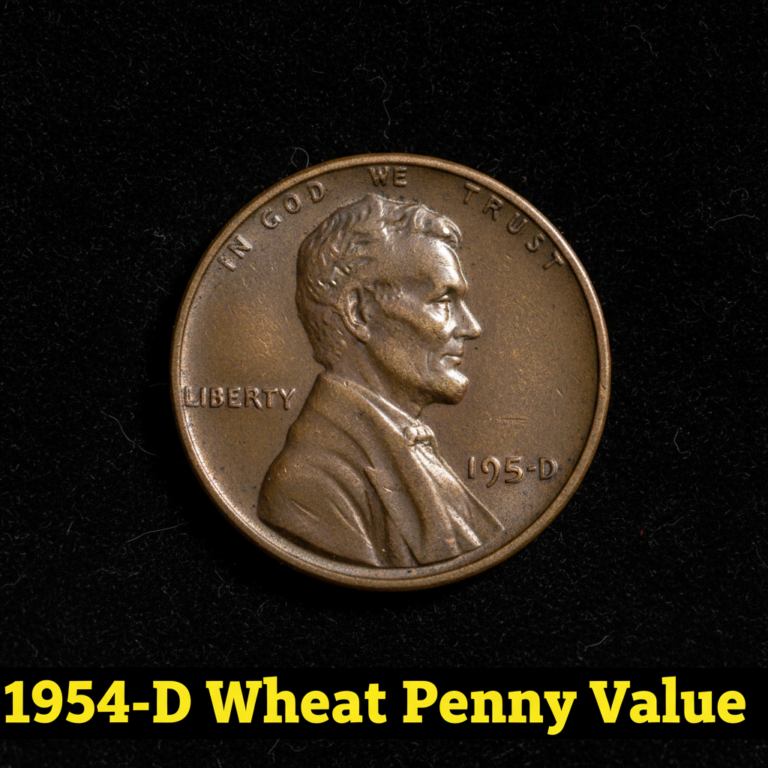
1936-D Wheat Penny Value Guide What It’s Worth and Why Collectors Care
The 1936-D Wheat Penny is worth anywhere from $0.15 in heavily worn condition to over $75 or more in mint state, with certified high-grade examples occasionally crossing the $100 mark. If you just found one in an old jar or your grandmother’s coin collection, you’re in for a treat — this little copper coin has real collector appeal.
What Makes the 1936-D Wheat Penny Special
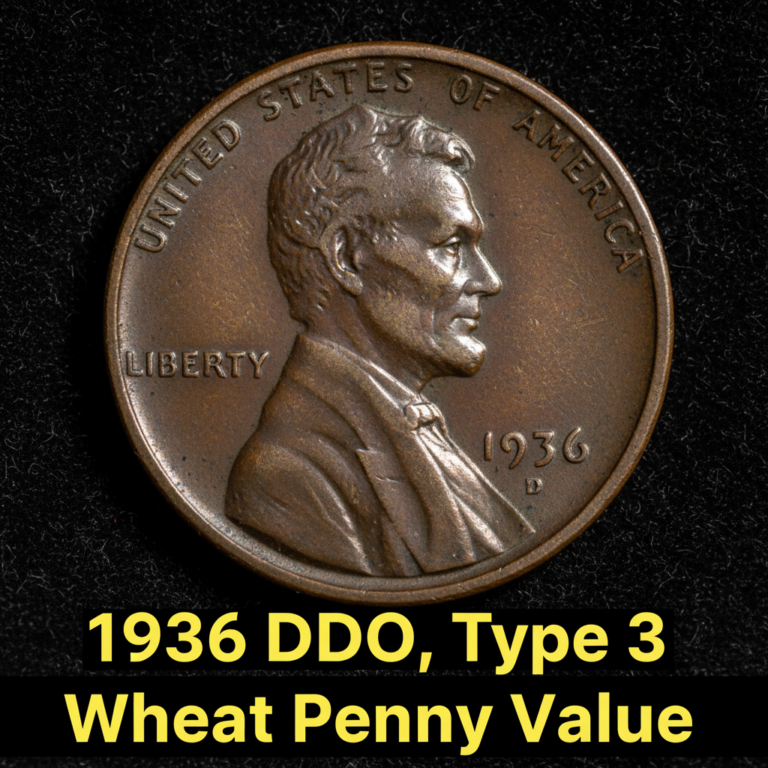
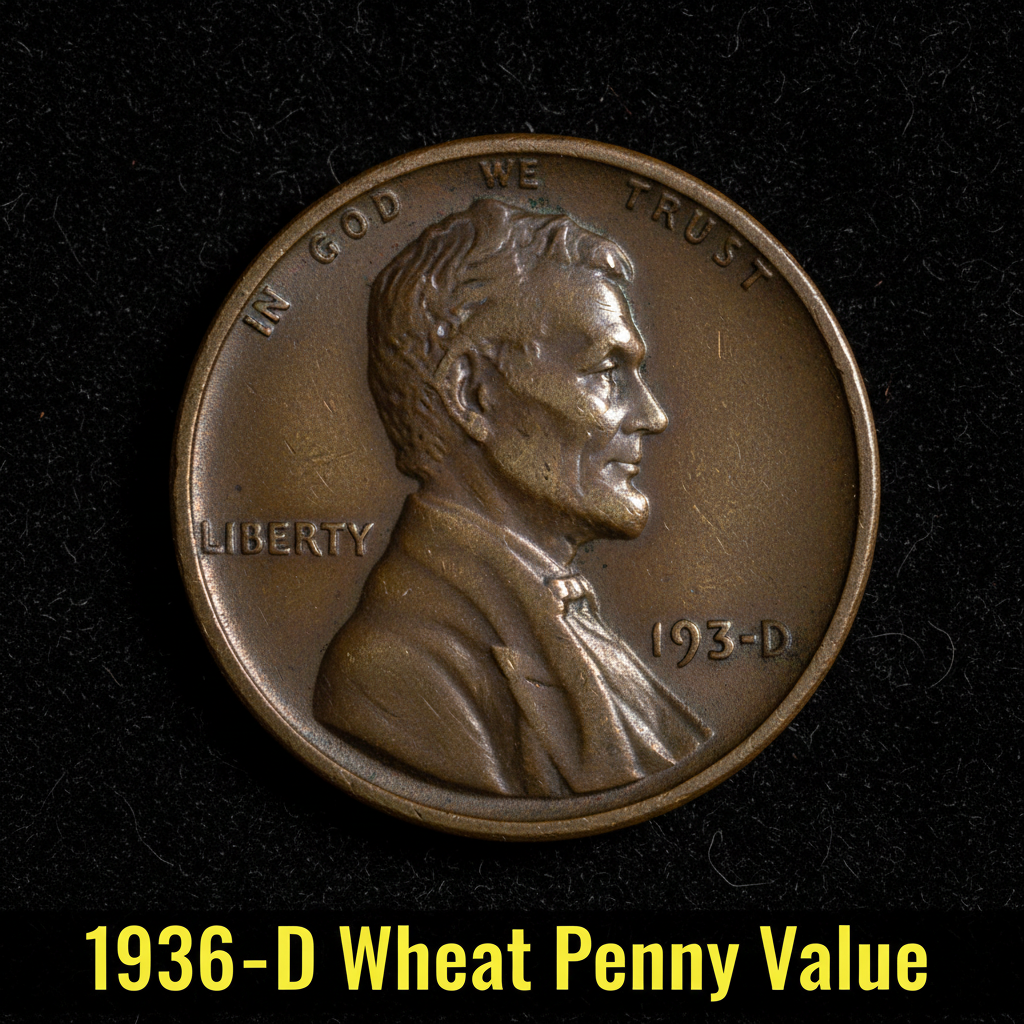
The 1936-D Wheat Penny was struck at the Denver Mint during the Great Depression era, a time when coin collecting was becoming increasingly popular among everyday Americans. The “D” mintmark appears on the obverse (front) of the coin, just below the date. That small letter makes a big difference in value compared to its Philadelphia counterpart, which carries no mintmark at all.
The Denver Mint produced approximately 40,620,000 of these pennies in 1936, making it a relatively common coin in circulated grades. However, high-quality examples — especially those that never circulated — are harder to find than you might think. Many of these coins ended up in piggy banks, coat pockets, and kitchen jars, where they picked up wear and nicks over the decades.
If you’re not sure what you’re looking at, using a free coin identifier app is a great first step. These tools can help you quickly confirm the date, mintmark, and general condition of your coin before you dive deeper into valuation research.
1936-D Wheat Penny Value by Grade
Coin grading is the most important factor in determining what your 1936-D Wheat Penny is worth. A coin in “Good” condition, where the design is visible but heavily worn, is worth very little — often just a few cents above face value. But as condition improves, the price climbs significantly.
Here’s a breakdown of typical retail values for the 1936-D Wheat Penny:
| Grade | Description | Estimated Value |
|---|---|---|
| Good (G-4) | Heavy wear, design visible | $0.15 – $0.35 |
| Fine (F-12) | Moderate wear, clear details | $0.50 – $1.00 |
| Extremely Fine (EF-40) | Light wear on high points | $2.00 – $4.00 |
| About Uncirculated (AU-55) | Slight wear, original luster | $5.00 – $10.00 |
| Mint State Red (MS-65 RD) | Full original red, no wear | $50.00 – $100+ |
For a more detailed look at 1936-D Wheat Penny prices in MS Red grades and certified auction records, professional price databases are an excellent resource when you’re ready to sell or insure a high-grade example.
How to Check Your Coin’s Condition at Home
You don’t need to be a professional numismatist to get a rough idea of what your 1936-D Wheat Penny is worth. Start by examining the coin under good lighting — natural daylight or a desk lamp works fine. Look at Lincoln’s cheekbone, his jaw, and the wheat stalks on the reverse. These are the high points of the design and the first areas to show wear.
If Lincoln’s hair details and the letters in “LIBERTY” are still sharp and well-defined, your coin may be in Extremely Fine or better condition. If those details have blended together from years of circulation, it’s probably in Good or Fine.
Color also matters a great deal. A 1936-D Wheat Penny that retains its original bright reddish-copper color (known as “Red” in grading terminology) is far more valuable than one that has turned brown. Most circulated coins will be brown, but uncirculated pieces sometimes preserve that original red luster — and collectors pay a premium for it.
You can also try CoinKnow, a handy app designed to help everyday coin finders quickly assess what they have. CoinKnow walks you through the grading process step by step, making it easy even if you’ve never collected coins before.
Should You Get Your 1936-D Penny Graded?
Professional grading is worth considering if your coin looks like it might be in Mint State condition. Services like PCGS (Professional Coin Grading Service) or NGC (Numismatic Guaranty Company) will authenticate and grade your coin, sealing it in a tamper-evident holder with a certified grade. This increases buyer confidence and often raises the selling price significantly.
However, for circulated 1936-D Wheat Pennies worth just a few dollars, grading fees won’t make financial sense. A typical submission to a grading service costs $20–$40 or more per coin, which would wipe out any profit on a worn example.
If you want a quick second opinion before deciding whether to submit, check out this detailed 1936 Penny value guide covering all mint varieties and grades. It’s a great way to compare your coin against documented values before spending money on professional grading.
For most people, CoinKnow provides a fast and free way to get a preliminary assessment right from your phone, which is often all you need to decide your next step.
Where to Sell a 1936-D Wheat Penny
If you’ve decided to sell, you have several solid options. eBay remains one of the most popular platforms for selling wheat pennies, with a large audience of collectors actively searching for specific dates and mintmarks. Heritage Auctions and Great Collections are better choices for certified high-grade coins, as they attract serious numismatic buyers willing to pay top dollar.
Local coin shops are also worth visiting, especially if you have several coins to sell at once. Dealers will typically offer 50–70% of retail value, which is fair given that they need to resell at a profit. Coin shows can be even better, since you can get multiple offers in one afternoon.
FAQ
Q: Is the 1936-D Wheat Penny rare?
A: Not particularly. With over 40 million minted, it’s a common date in circulated grades. However, high-grade Mint State examples with full red color are genuinely scarce and can be worth $50 to over $100.
Q: How do I tell if my penny is 1936-D vs. 1936 or 1936-S?
A: Look just below the date on the front of the coin. A “D” means it was made in Denver, an “S” means San Francisco, and no mintmark means Philadelphia. The 1936-S is slightly more valuable than the 1936-D in most grades.
Q: Can I clean my 1936-D Wheat Penny to make it look better?
A: Please don’t. Cleaning a coin — even gently — removes the natural surface patina and dramatically reduces its collector value. Dealers and graders can easily spot cleaned coins, and they’ll discount your coin heavily as a result. Leave it exactly as you found it.