1954-D Wheat Penny Value Guide How Much Is It Worth Today
The 1954-D Wheat Penny is worth anywhere from $0.10 in heavily worn condition to over $10 or more in uncirculated grades — and in top mint state examples, it can climb well past $50. If you just found one of these coins, you’re in the right place to learn exactly what it’s worth.
What Is the 1954-D Wheat Penny?
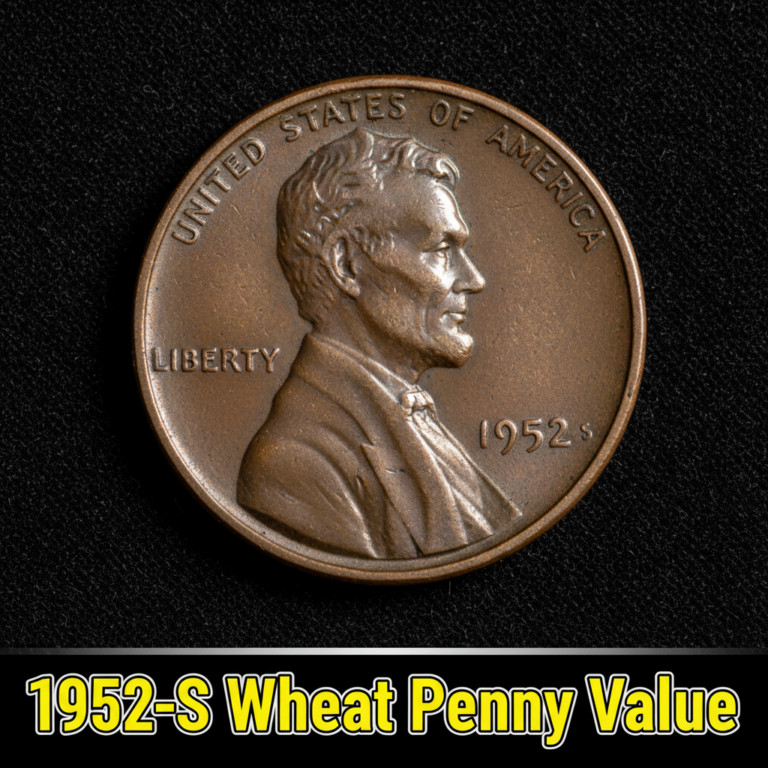
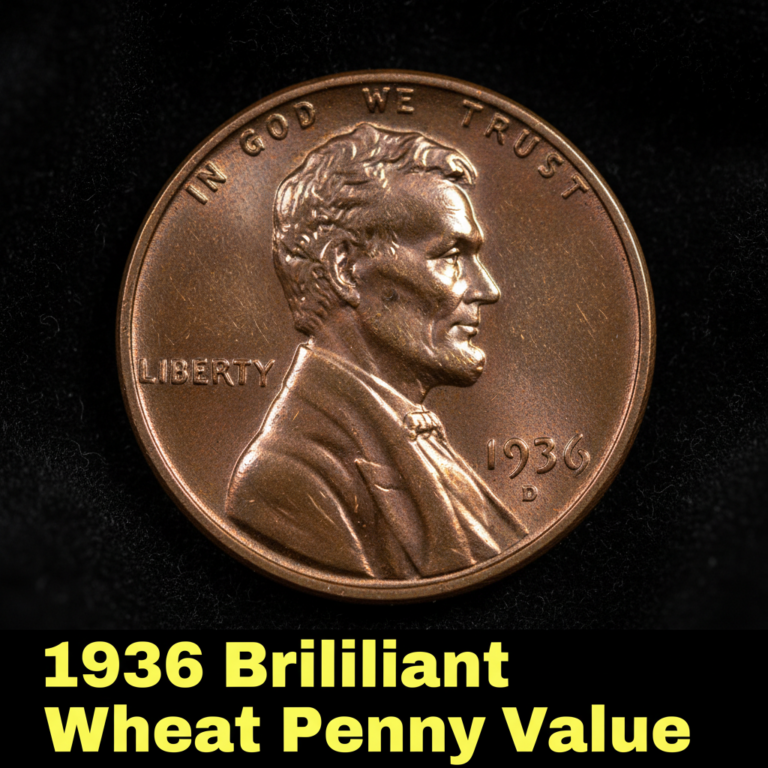
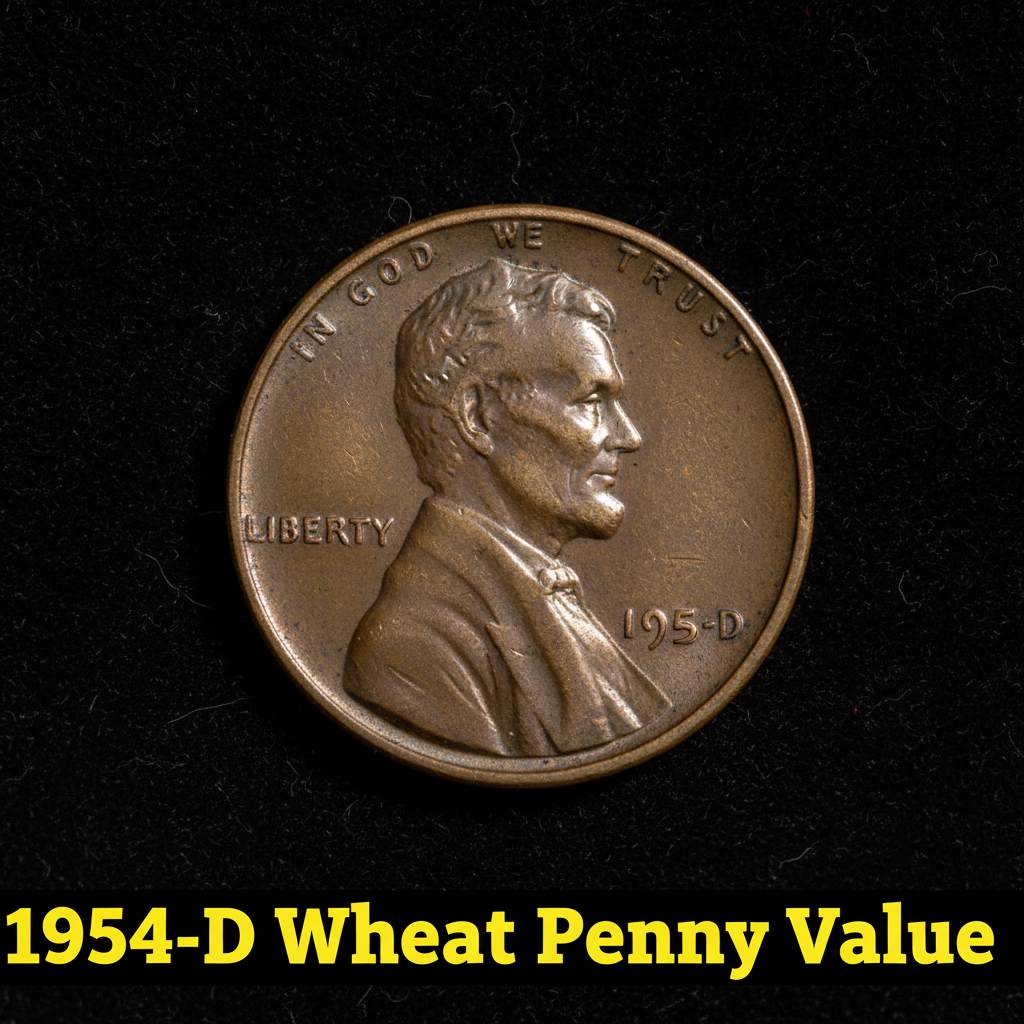
The 1954-D Wheat Penny was struck at the Denver Mint and is part of the beloved Lincoln Wheat Cent series, which ran from 1909 to 1958. The small “D” mintmark appears just below the date on the obverse side of the coin. In 1954, the Denver Mint produced over 106 million of these cents, making it a relatively common coin in most grades — but that doesn’t mean it’s worthless. Condition plays a huge role in determining value, and even well-worn examples are worth keeping an eye on.
If you’re not sure what mint made your coin or you want to quickly identify it, using a free coin identifier app can save you a lot of time and guesswork. These apps use your phone camera to scan the coin and match it to known varieties in seconds.
How Much Is the 1954-D Wheat Penny Worth by Grade?
Coin value is almost entirely driven by condition, or “grade” in collector language. A coin that looks bright, sharp, and never circulated will always be worth far more than one that’s been jingling in someone’s pocket for decades.
Here’s a general breakdown of what you can expect:
| Grade | Description | Estimated Value |
|---|---|---|
| Good (G-4) | Heavy wear, design visible | $0.10 – $0.25 |
| Fine (F-12) | Moderate wear, clear lettering | $0.25 – $0.50 |
| Extremely Fine (EF-40) | Light wear on high points | $0.75 – $2.00 |
| About Uncirculated (AU-55) | Slight traces of wear | $2.00 – $5.00 |
| MS-63 Red | Uncirculated, minor blemishes | $8.00 – $15.00 |
| MS-65 Red | Gem uncirculated, full red luster | $25.00 – $60.00+ |
For a more detailed look at 1954-D Wheat Penny prices across mint state grades with certified sale records, checking a dedicated coin pricing database can give you real auction data to back up your estimate.
What Makes Some 1954-D Pennies Worth More?
Beyond basic grade, a few other factors can push the value of your 1954-D Wheat Penny higher. One of the biggest is color designation. Copper cents are graded as Red (RD), Red-Brown (RB), or Brown (BN). Coins that have kept their original brilliant red color — meaning they were stored away and never cleaned — are worth significantly more than brown examples of the same grade.
Eye appeal matters too. A coin with strong strike, no visible damage, and original surfaces will always attract more collector interest. Certified coins — those graded and authenticated by PCGS or NGC — also tend to sell for premiums because buyers trust the grade.
There are also occasional error coins worth watching for, including off-center strikes or die errors, though these are rare on the 1954-D. If you suspect you have something unusual, CoinKnow is a great resource to help you identify rare varieties and errors quickly using your smartphone.
How to Find Out What Your 1954-D Penny Is Really Worth
If you want to go beyond the general price chart, there are a few good ways to nail down your coin’s actual value. First, examine the coin under good lighting or a magnifier and compare it honestly to grading images online. Next, check recent auction results on platforms like eBay — filter by “sold” listings to see what buyers are actually paying, not just what sellers are asking.
You can also browse a dedicated resource for full 1954 penny value breakdowns including Philadelphia, Denver, and San Francisco mint versions to compare how the D-mint coin stacks up against its siblings.
And if you want the most convenient option, CoinKnow lets you scan your coin and get instant value estimates based on current market data — no coin expertise required. It’s especially handy when you’re sorting through a jar of old wheat cents and want quick answers.
FAQ
Q: Is the 1954-D Wheat Penny rare?
A: Not particularly. With over 106 million minted, it’s one of the more common wheat cents. That said, high-grade red examples — especially MS-65 and above — are scarce and can be worth $50 or more.
Q: Should I clean my 1954-D Wheat Penny before selling it?
A: Absolutely not. Cleaning a coin removes its original surface and dramatically reduces its collector value. Even a dirty original coin is worth more than a shiny cleaned one to most buyers and graders.
Q: How do I know if my 1954-D penny has been graded by PCGS or NGC?
A: Professionally graded coins come sealed in a hard plastic holder called a “slab” with a label showing the grade and certification number. If your coin is loose, it has not been professionally graded. You can submit it to PCGS or NGC for authentication, or use CoinKnow to get a quick at-home estimate before deciding whether professional grading is worth the cost.