1936 Brilliant Wheat Penny Value What It’s Worth and Why Collectors Love It
The 1936 Wheat Penny is worth anywhere from $0.10 in heavily worn condition to over $100 or more in top mint state grades — and if yours carries the rare “brilliant” luster of an uncirculated example, it could be worth far more than you’d expect from a one-cent coin.
If you just found an old penny in a drawer, a jar of change, or an estate collection, you’re in the right place. Before anything else, take a close look at that coin. If it still has a bright, almost mirror-like shine and sharp details on Lincoln’s portrait and the wheat stalks on the back, you may have a gem on your hands. To help identify what you’ve got, you can use a free coin identifier app to get a quick read before diving deeper into the research. Then keep reading — this guide breaks down exactly what your 1936 Wheat Penny is worth and what makes some examples so much more valuable than others.
What Makes the 1936 Wheat Penny Special
The 1936 Lincoln Wheat Penny was produced during the heart of the Great Depression, yet the U.S. Mint turned out massive quantities — over 300 million coins across three facilities. That might sound like it kills the value, but here’s the thing: most of those coins entered circulation immediately and got worn down fast. People used every penny they had back then. Finding a 1936 Wheat Penny that survived seven or eight decades in brilliant, uncirculated condition is genuinely rare.
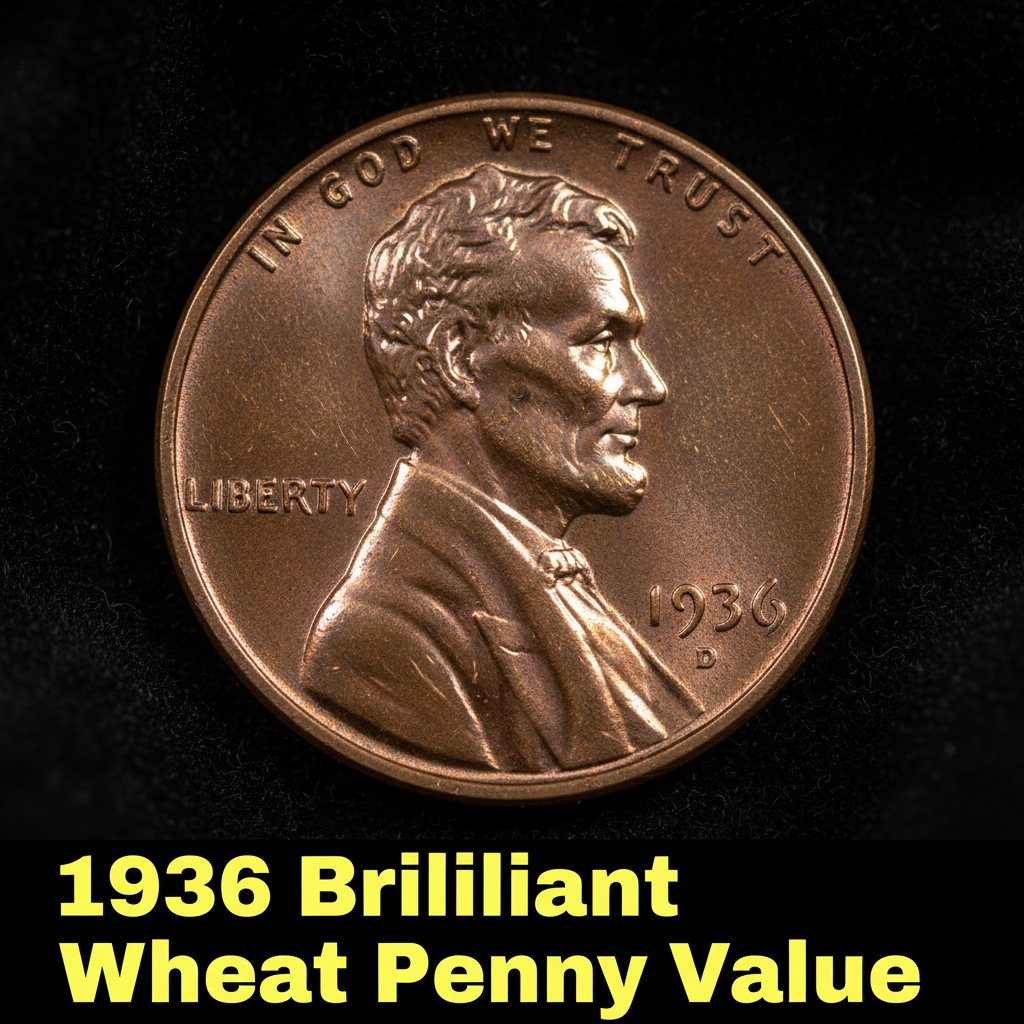
The word “brilliant” refers to coins that have never been spent — they still carry the original luster from the minting press, a lustrous cartwheel shine that serious collectors prize above almost anything else. A circulated 1936 penny might only bring a few cents to a few dollars. But a brilliant uncirculated (BU) example? That’s where the numbers start climbing quickly. The combination of age, historical context, and preserved condition makes the 1936 brilliant Wheat Penny one of the more exciting finds a casual coin hunter can make.
1936 Wheat Penny Values by Mint Mark and Grade
Three mints produced Lincoln cents in 1936: Philadelphia (no mint mark), Denver (D), and San Francisco (S). Each mint mark affects value differently, and condition — measured on the Sheldon scale from 1 to 70 — plays the biggest role of all.
Here’s a quick reference table showing approximate retail values:
| Mint Mark | Good (G-4) | Fine (F-12) | XF-40 | MS-63 RB | MS-65 RD |
|---|---|---|---|---|---|
| 1936 (Philadelphia) | $0.10 | $0.25 | $2 | $10–$18 | $40–$75 |
| 1936-D (Denver) | $0.15 | $0.35 | $3 | $12–$22 | $55–$100 |
| 1936-S (San Francisco) | $0.20 | $0.50 | $4 | $15–$28 | $65–$120 |
For the most detailed and up-to-date pricing on certified examples, you can check out 1936 Wheat Penny MS-RD grade values and population data to see exactly what top-grade red coins are selling for right now.
How to Tell If Your 1936 Penny Is Truly Brilliant
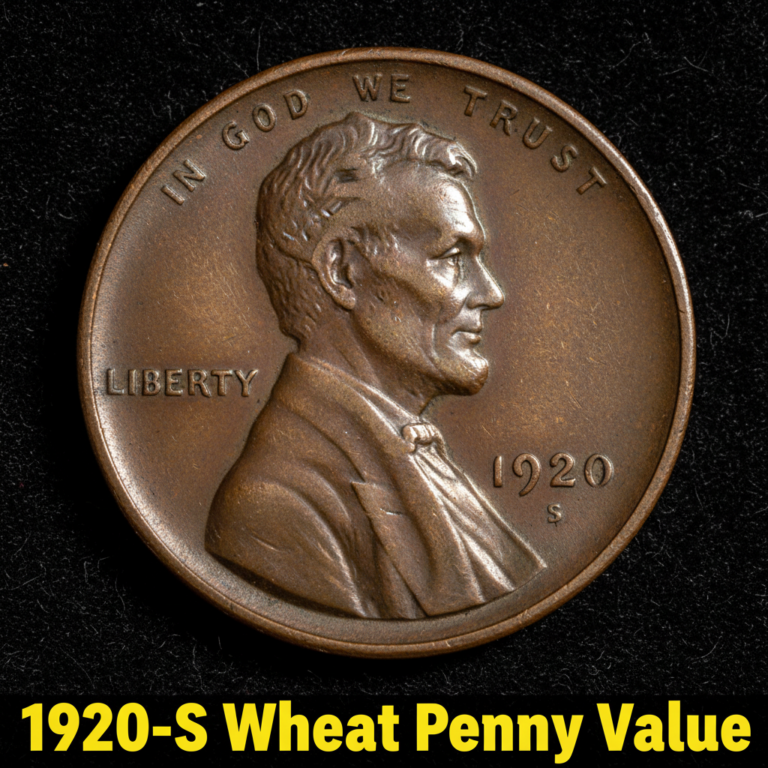
Color is everything when grading a 1936 Wheat Penny. Coin graders use three color designations for copper cents: RD (Red), RB (Red-Brown), and BN (Brown). A brilliant 1936 penny will grade RD — meaning it retains at least 95% of its original mint-red color. These are the most valuable.
Hold your coin at an angle under a single light source. If you see a flowing, silky luster that seems to roll across the surface as you tilt the coin, that’s mint luster — and that’s exactly what you want. Any coin that has been cleaned, dipped, or heavily handled will lose that natural brilliance and drop dramatically in value. Never clean your old coins. Even a gentle rub with a cloth can scratch the surface at a microscopic level and slash the grade.
The CoinKnow app is a great tool here — snap a photo of your coin and get an instant assessment of its likely grade and color designation based on AI-powered analysis. It’s one of the fastest ways to know whether your coin belongs in a holder or on an auction site.
The 1936 Proof Wheat Penny — A Hidden Gem
Here’s something many people don’t know: the Philadelphia Mint struck a small number of proof coins in 1936 specifically for collectors. These weren’t made for everyday use — they were struck with specially polished dies on polished planchets to create mirror-like surfaces. Only about 5,569 proof cents were made that year, making them genuinely scarce.
A 1936 Proof Wheat Penny in PR-65 condition can sell for $200 to $500 or more. In PR-67 or higher with cameo contrast between the raised design and the mirror fields, values have exceeded $1,000 at major auction houses. If your coin looks almost too perfect — deep mirror fields, frosted design details — it could be a proof. Have it authenticated by PCGS or NGC before doing anything else.
For a complete breakdown of what certified 1936 Wheat Pennies are fetching at auction and in dealer inventories, the full 1936 penny value guide with current market prices is an excellent reference that covers every variety and grade in detail.
Should You Get Your 1936 Wheat Penny Graded
Professional grading by PCGS or NGC costs money — typically $30 to $50 per coin for basic service — so it only makes sense for coins worth $75 or more in raw condition. If your 1936 Wheat Penny looks like a strong MS-64 RD or better, or if you suspect you have a proof, submitting for grading is absolutely worth it. A certified coin sells for significantly more than a raw one because buyers trust the grade.
Not sure if yours is worth submitting? Fire up CoinKnow, take a few photos in good lighting, and the app will give you a quick value estimate and grading recommendation. It’s free to use and built specifically for people who find old coins and want real answers fast. Thousands of everyday collectors use CoinKnow every week to make smarter decisions about their finds.
—
Frequently Asked Questions
Q: What does “brilliant” mean when describing a 1936 Wheat Penny?
A: “Brilliant” refers to a coin that is uncirculated and still retains its original mint luster — the bright, flowing shine created during the minting process. A brilliant 1936 Wheat Penny has never been spent or significantly handled, and it typically grades MS-60 or higher with a Red (RD) color designation.
Q: How can I tell if my 1936 penny has a mint mark?
A: Look on the obverse (front) of the coin, just below the date on the right side. A “D” means it was made in Denver and a “S” means San Francisco. If there’s no letter, it came from the Philadelphia Mint. All three are collectible, but the Denver and San Francisco coins tend to be slightly more valuable in higher grades.
Q: Is a 1936 Wheat Penny worth cleaning up before selling?
A: Absolutely not. Cleaning a coin — even gently wiping it — destroys its natural surface and dramatically reduces its value to collectors. A coin with original, untouched surfaces, even if they look a little dull, will always be worth more than a cleaned example. Leave it exactly as you found it and consult a professional before doing anything else.