1984-D Lincoln Penny Value Guide What It’s Worth Today and How to Find Out
The 1984-D Lincoln Penny is worth anywhere from a few cents in heavily circulated condition to $10 or more in pristine mint state — and a rare doubled die variety can push that number into the hundreds. Whether you pulled this coin from a change jar or inherited a collection, here’s what you need to know.
What Makes the 1984-D Lincoln Penny Special
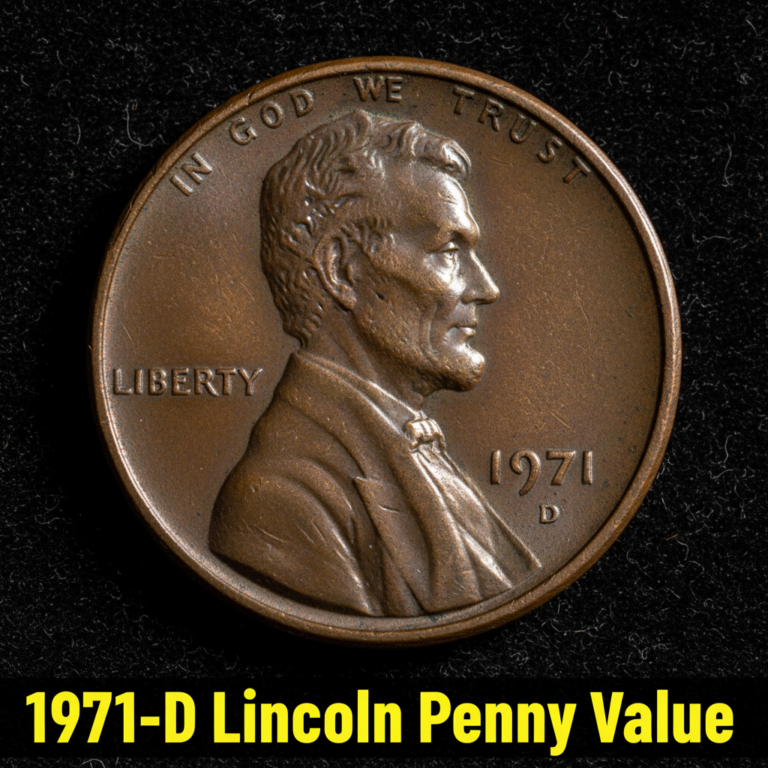
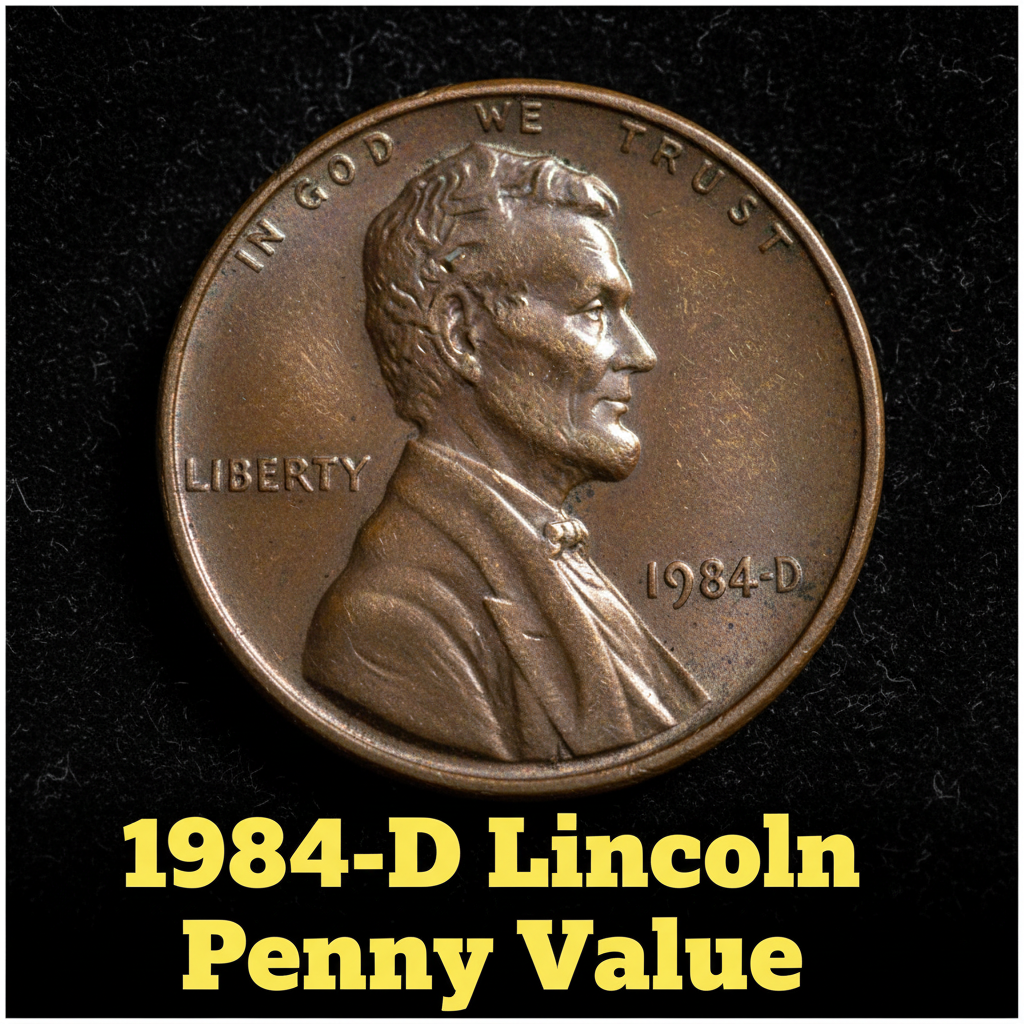
The 1984-D Lincoln Penny was struck at the Denver Mint and carries the small “D” mintmark just below the date on the obverse side. That single letter tells you where it came from and can influence how collectors and dealers price it. In 1984, the Denver Mint produced over 1.8 billion of these cents — a huge number that generally keeps most examples in the affordable range. Still, condition is everything when it comes to coin collecting, and even a common coin like this one can be worth real money when it’s in exceptional shape.
If you’re not sure what you have, using a free coin identifier app can be a great starting point. These tools let you snap a photo of your coin and get instant information about its year, mint, and approximate value — no expertise required. Apps like CoinKnow take it a step further, giving you detailed grading guidance and real-time market price estimates right from your phone.
1984-D Lincoln Penny Value by Grade
Coin value is almost entirely based on condition — what collectors call “grade.” A coin that’s been jingling around in pockets for decades will show heavy wear and is worth very little above face value. But one that was never circulated, pulled straight from a mint roll and handled carefully, can fetch a meaningful premium.
Here’s a general breakdown of what the 1984-D Lincoln Penny is worth across different grades:
| Grade | Condition Description | Estimated Value |
|---|---|---|
| Good (G-4) | Heavy wear, design visible but flat | $0.01 – $0.05 |
| Fine (F-12) | Moderate wear, details still clear | $0.05 – $0.15 |
| Extremely Fine (EF-40) | Light wear on high points only | $0.25 – $0.75 |
| Mint State 63 (MS-63) | Uncirculated, minor blemishes | $1.00 – $3.00 |
| Mint State 65 (MS-65) | Gem uncirculated, strong luster | $4.00 – $10.00 |
| Mint State 67+ (MS-67 RD) | Near-perfect, full red color | $50.00 – $200.00+ |
For a deeper look at certified auction results and 1984-D Lincoln Penny price data across mint state grades, checking a dedicated coin pricing database can help you see what real buyers have paid.
The 1984 Doubled Die Variety — Worth Hunting For
Here’s where things get exciting. The 1984 Lincoln Penny — including some Denver-minted examples — is known to have doubled die varieties. On these coins, you’ll notice a slight doubling on the ear of Lincoln’s portrait on the obverse. It’s a subtle detail, but it’s exactly what variety collectors go crazy for.
A circulated 1984 doubled die cent can sell for $50 to $150, while uncirculated examples have crossed $200 or more at major auctions. The key is magnification — grab a 5x or 10x loupe and look closely at Lincoln’s ear and the inscriptions. If you see clear doubling, you might have a coin worth significantly more than you thought.
CoinKnow is particularly useful here. The app includes a variety guide that helps users identify doubled dies, repunched mintmarks, and other valuable errors without needing years of numismatic experience.
How to Assess Your 1984-D Penny’s Condition at Home
You don’t need professional equipment to get a general sense of your coin’s grade. Start by looking at the high points of Lincoln’s portrait — his cheekbone, jaw, and the top of his head. Worn areas will appear flat and dull. Then check the reverse: if the Lincoln Memorial’s columns are sharp and the lettering is crisp, that’s a good sign.
Color matters too, especially for uncirculated coins. Collectors classify copper cents as Red (RD), Red-Brown (RB), or Brown (BN). A coin with full original red luster is the most desirable and commands the highest prices. If your 1984-D looks like it just came out of a roll — bright, shiny, no scratches — it could grade MS-65 or better.
You can also explore detailed 1984 Lincoln Penny value breakdowns by grade and variety to cross-reference your own assessment before getting a professional opinion.
Is It Worth Getting Your 1984-D Penny Graded?
Professional grading services like PCGS or NGC can certify your coin’s condition and seal it in a tamper-proof holder. This adds credibility and often increases what a buyer is willing to pay. However, grading costs money — usually $20 to $40 per coin at a minimum — so it only makes financial sense for high-grade examples or confirmed varieties.
If your coin is a circulated, common 1984-D with no special features, skip the grading fee. But if it grades MS-66 or higher, or if you’ve confirmed a doubled die variety, professional certification is absolutely worth considering. CoinKnow can help you decide by giving you a realistic estimated grade before you spend anything.
FAQ
Q: How much is a 1984-D Lincoln Penny worth in circulated condition?
A: Most circulated 1984-D pennies are worth face value to about $0.15 depending on how much wear they show. They were made in enormous quantities, so common circulated examples have very little collector value. The exception would be a confirmed error or variety coin.
Q: What is the most valuable version of the 1984-D Lincoln Penny?
A: The most valuable examples are high-grade uncirculated coins graded MS-67 Red or better by PCGS or NGC, which can sell for $100 to $300 or more. Doubled die varieties in any grade also command a strong premium among variety collectors.
Q: How can I tell if my 1984 penny has a doubled die?
A: Use a magnifying glass or jeweler’s loupe to closely examine Lincoln’s ear on the obverse side of the coin. On genuine doubled die examples, you’ll see a distinct secondary image or “shadow” on the ear. You can also use CoinKnow to scan your coin and compare it to known variety images in the app’s database.