1971-D Lincoln Penny Value Guide What It’s Worth and Why Collectors Care
The 1971-D Lincoln Penny is worth anywhere from 1 cent in heavily worn condition to over $10 or more in pristine uncirculated grades — and a handful of top-quality examples have sold for significantly higher at auction. If you found one in your change jar or inherited a coin collection, here’s everything you need to know about its value.
What Is the 1971-D Lincoln Penny?
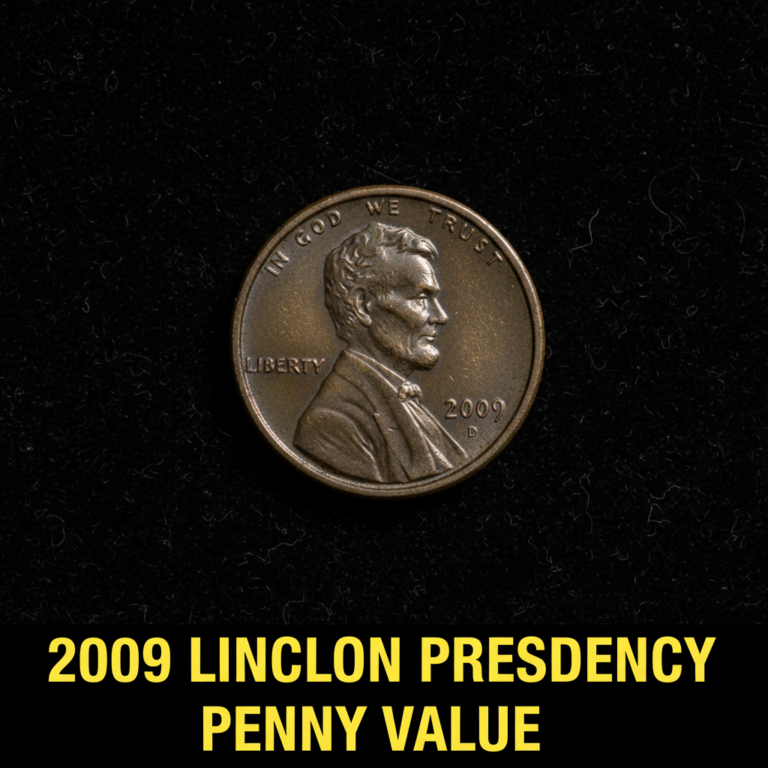
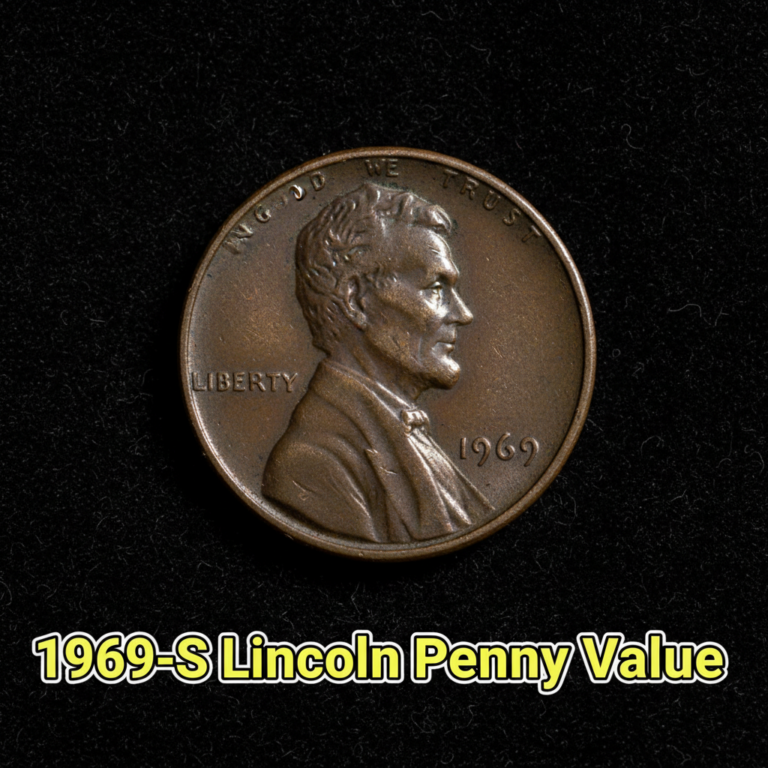
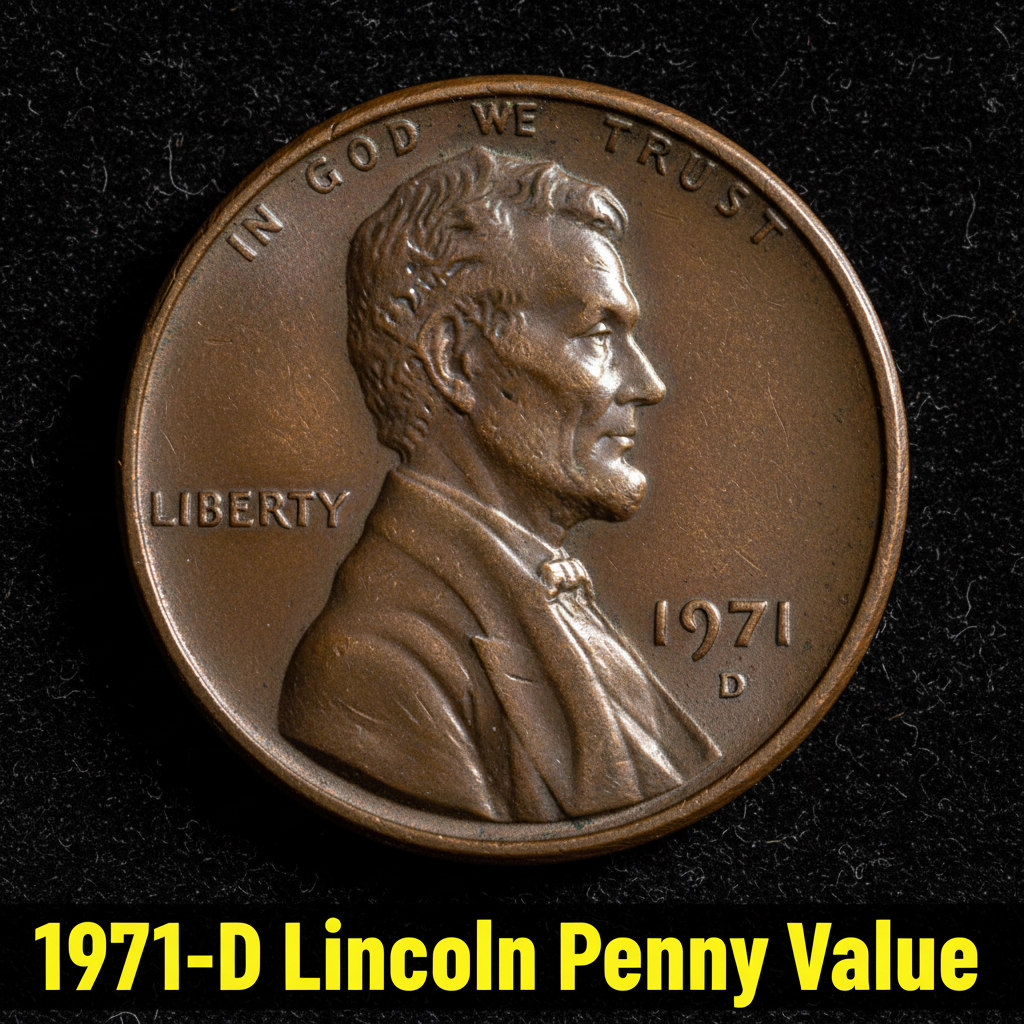
The 1971-D Lincoln Penny was struck at the Denver Mint, which is indicated by the small “D” mintmark you’ll find on the obverse (front) of the coin, just below the date. In 1971, the Denver Mint produced over 1.1 billion of these cents, making it a high-mintage coin that’s relatively common in circulated grades. Despite the large production numbers, finding one in truly mint-condition (never touched, no scratches, original luster intact) is harder than most people expect.
This coin features the classic Victor David Brenner portrait of Abraham Lincoln on the front and the Lincoln Memorial reverse design that was introduced in 1959. The composition at this time was 95% copper and 5% zinc — which gives these coins a warm reddish-brown tone when they’ve been in circulation, and a vibrant red color when uncirculated.
If you’re not sure what you’re looking at, a free coin identifier app can help you quickly confirm the coin’s mint mark, year, and condition before you start estimating its value. Apps like CoinKnow make this process surprisingly simple — just snap a photo and get instant details about your coin.
How Much Is a 1971-D Lincoln Penny Worth?
The value of a 1971-D Lincoln Penny depends almost entirely on its condition. Coin collectors use a grading scale from 1 to 70, and even small differences in grade can mean a big difference in price. Here’s a general breakdown of what you can expect:
| Condition / Grade | Estimated Value |
|---|---|
| Poor to Good (G-1 to G-6) | Face value (~$0.01) |
| Fine to Very Fine (F-12 to VF-35) | $0.05 – $0.25 |
| Extremely Fine (EF-40 to EF-45) | $0.25 – $1.00 |
| Mint State Red (MS-63 RD) | $2 – $5 |
| Mint State Red (MS-65 RD) | $8 – $15 |
| Gem Mint State (MS-67 RD) | $50 – $150+ |
For a deeper look at certified price data for the 1971-D Lincoln Penny in mint red grades, it’s worth checking professional coin pricing databases that track recent auction results.
What Makes Some 1971-D Pennies More Valuable?
Color designation is one of the biggest factors. Coin grading services classify Lincoln cents by their surface color: Red (RD), Red-Brown (RB), and Brown (BN). A coin with full original red luster — meaning it was never circulated and has kept its brilliant copper shine — is worth significantly more than a brown or red-brown example of the same grade.
Strike quality also plays a role. Even within uncirculated grades, some 1971-D pennies show weak strikes or contact marks from the mint bag storage. A coin with sharp details and clean fields (the flat areas of the coin) will always command a premium.
Error coins are another story entirely. While no widely recognized major error varieties have been documented for the 1971-D specifically, it’s always worth examining your coin carefully. Die cracks, repunched mint marks (RPM), and off-center strikes do occasionally turn up. If you think you have something unusual, CoinKnow can help you identify potential varieties before you take it to a dealer.
How to Check Your Coin’s Condition at Home
You don’t need to be an expert to get a rough idea of your coin’s grade. Here’s a quick checklist:
– Look at the high points: On Lincoln cents, that’s Lincoln’s cheek and the wheat stalks (or memorial steps on the reverse). Heavy wear flattens these areas.
– Check the luster: Does the coin have a natural shine, or does it look dull and worn? Uncirculated coins have a cartwheel-like luster when tilted under light.
– Avoid cleaning: Never clean a coin. Cleaned coins lose most of their numismatic value, even if they look shiny.
– Use good lighting and magnification: A 5x or 10x loupe will help you spot contact marks or die varieties.
You can also get a detailed sense of current 1971 penny values across all mint marks and conditions by using trusted online coin value resources that are updated regularly.
Is It Worth Keeping or Selling?
For most people, the 1971-D Lincoln Penny in circulated condition is worth little more than face value. But if you have a roll of uncirculated coins from a 1971 mint set, or if your coin shows no wear and has bright red surfaces, it could be worth a few dollars or more to the right collector.
If you’re sitting on a collection and aren’t sure what you have, downloading CoinKnow is a great first step. It helps everyday people identify coins, check grades, and get ballpark values without needing to walk into a coin shop right away.
FAQ
Q: How do I know if my 1971-D penny is uncirculated?
A: An uncirculated coin shows no signs of wear on the high points of the design. It should also have some degree of original mint luster — a subtle shine that you can see when you tilt the coin under light. Any rubbing or dullness on Lincoln’s cheek or hair indicates circulation.
Q: Are 1971-D pennies rare?
A: No, the 1971-D Lincoln Penny is not rare. Over 1.1 billion were minted, making it one of the more common dates in the Lincoln Memorial series. However, high-grade examples with full red color and sharp strikes are genuinely scarce and desirable to collectors.
Q: Should I get my 1971-D penny graded by a professional service?
A: Professional grading (through PCGS or NGC) is generally worth the cost only if you believe your coin grades MS-65 Red or higher. For lower-grade coins, the grading fee would likely exceed the coin’s market value. If you’re unsure, start with a free tool like CoinKnow to get a preliminary sense of your coin’s quality before spending money on third-party grading.