1983-D Lincoln Penny Value Guide How Much Is It Worth Today
The 1983-D Lincoln Penny is worth anywhere from a few cents in circulated condition to over $9 or more in certified mint state grades — and a rare doubled die variety can push that value into the hundreds. Whether you just found one in a change jar or inherited a coin collection, this guide will walk you through exactly what you have.
What Is the 1983-D Lincoln Penny
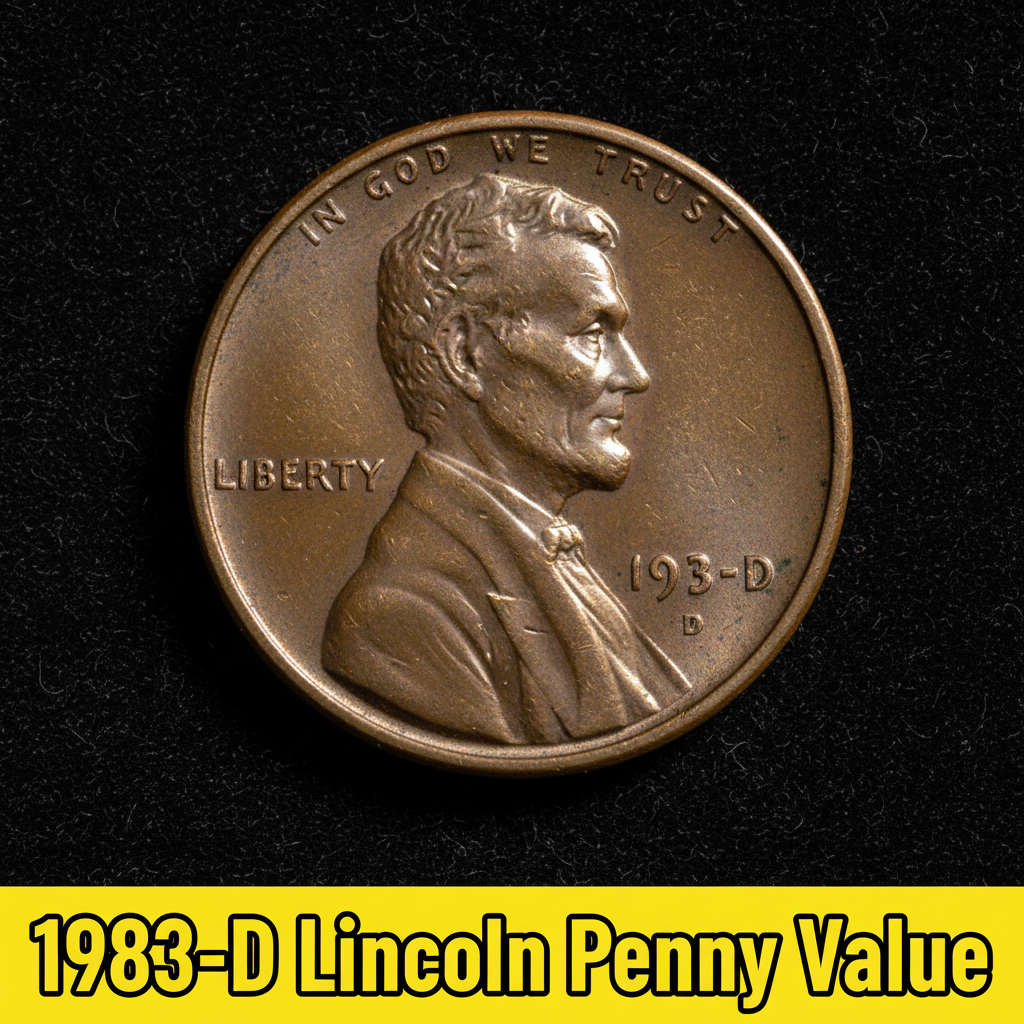
The 1983-D Lincoln Penny was struck at the Denver Mint, indicated by the small “D” mintmark on the obverse just below the date. That year, Denver produced over 6.7 billion of these cents — making it one of the highest-mintage pennies of the decade. Because so many were made, most examples you’ll find in everyday circulation are common coins worth face value or just slightly above. However, condition is everything in coin collecting, and even a common date can surprise you when it grades high.
This coin was also the first year Lincoln cents shifted from a copper-based composition to copper-plated zinc. That change matters to collectors, because early zinc cents from 1982–1983 can develop spotting and corrosion over time, which reduces their grade and value. If you want a quick way to identify your coin and see what it might be worth, a free coin identifier app can scan your coin and give you an instant estimate right from your phone.
1983-D Lincoln Penny Value by Grade
Most circulated 1983-D cents are worth exactly one cent — unless they are in exceptional shape. Coin dealers generally won’t pay a premium for worn examples because the supply is enormous. The real value kicks in at the uncirculated level, particularly once you get into the higher MS (Mint State) grades certified by PCGS or NGC.
Here’s a quick value breakdown based on condition:
| Grade | Condition | Estimated Value |
|---|---|---|
| Good (G-4) | Heavy wear, design visible | Face value ($0.01) |
| Fine (F-12) | Moderate wear | $0.05–$0.10 |
| Extremely Fine (EF-40) | Light wear on high points | $0.10–$0.25 |
| MS-63 Red | Uncirculated, minor marks | $0.50–$1.50 |
| MS-65 Red | Gem uncirculated | $3.00–$6.00 |
| MS-67 Red | Superb gem, nearly perfect | $9.00–$30.00+ |
For a deeper look at certified auction results and population data, you can review detailed 1983 Lincoln Penny MS Red price records to see what collectors are actually paying right now.
The 1983-D Doubled Die — The Variety Worth Watching For
Here’s where things get exciting. While the 1983-D is not known for a dramatic doubled die obverse like some other Lincoln cents, collectors should always examine their coins carefully under magnification. Doubled die varieties occur when the hub imprints twice at slightly different angles during the die-making process, leaving a visible doubling on lettering or date features.
A confirmed doubled die 1983-D penny in higher grades can sell for anywhere from $50 to several hundred dollars depending on the severity and eye appeal. If you notice any doubling on “LIBERTY,” “IN GOD WE TRUST,” or the date itself, it’s worth having the coin examined by a professional. CoinKnow is a great tool to use in this situation — the app lets you photograph your coin and quickly compare it against known varieties in its database, saving you time before you send it off for professional grading.
How to Tell If Your 1983-D Penny Is Worth More
So you’ve got a 1983-D penny in hand — how do you figure out if it’s just a cent or something special? Start by checking these things:
1. Look at the mintmark. A clear, well-defined “D” is what you want. Some coins show weak or filled mintmarks, which don’t affect value much but are interesting to collectors.
2. Check the color. Copper-plated zinc cents from 1983 can turn dark or develop spotty surfaces over time. A coin that retains its original red luster is worth significantly more than one that has toned brown.
3. Examine for errors. Off-center strikes, die cracks, or any unusual doubling can transform an ordinary penny into a collectible. Use good lighting and a 5x loupe if you have one.
4. Grade it honestly. Most coins found in circulation grade below MS-60. Don’t assume your coin is gem uncirculated just because it looks shiny — zinc cents can appear bright but still have handling marks.
For a comprehensive breakdown of how condition and variety affect your coin’s worth, this full guide to 1983 penny values covers everything from circulated grades to top-pop certified examples. And if you want to track values over time or scan multiple coins from a collection, CoinKnow makes it easy with its built-in grading guide and current market data.
—
FAQ
Q: Is the 1983-D Lincoln Penny rare?
A: No, the 1983-D penny is not rare. Over 6.7 billion were minted in Denver, making it extremely common. Most are worth only face value unless in pristine uncirculated condition or identified as a scarce variety.
Q: What makes a 1983-D penny valuable?
A: The two main factors that increase value are condition and variety. A coin grading MS-67 Red or higher can fetch $9 to $30 or more, while a confirmed doubled die or significant mint error can push value into the hundreds. CoinKnow can help you identify error coins quickly using your smartphone camera.
Q: Should I clean my 1983-D penny before selling it?
A: Absolutely not. Cleaning a coin removes its original surface and dramatically reduces its value to collectors and dealers. Even if a coin looks dull or dirty, never use polish or chemicals on it. Leave it as-is and have it evaluated in its natural state.