1889 Indian Head Penny Value Guide What It’s Really Worth Today
The 1889 Indian Head Penny is worth anywhere from $2 in heavily worn condition to over $150 or more in mint state. Most circulated examples fall in the $5–$25 range, making this a surprisingly affordable yet historically rich coin. Whether you found one in grandma’s jar or picked it up at a flea market, you’re holding a piece of American history.
What Makes the 1889 Indian Head Penny Special
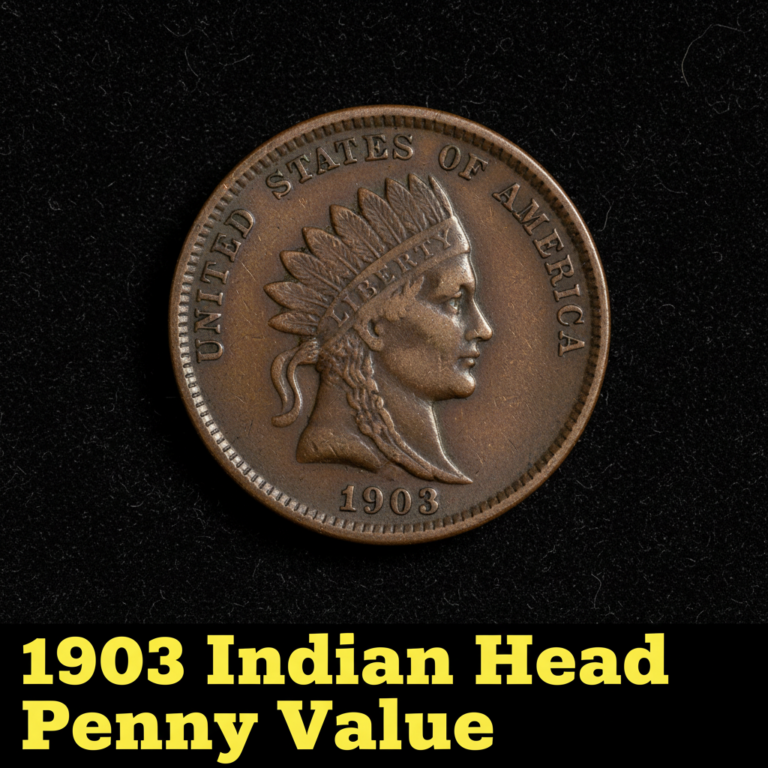
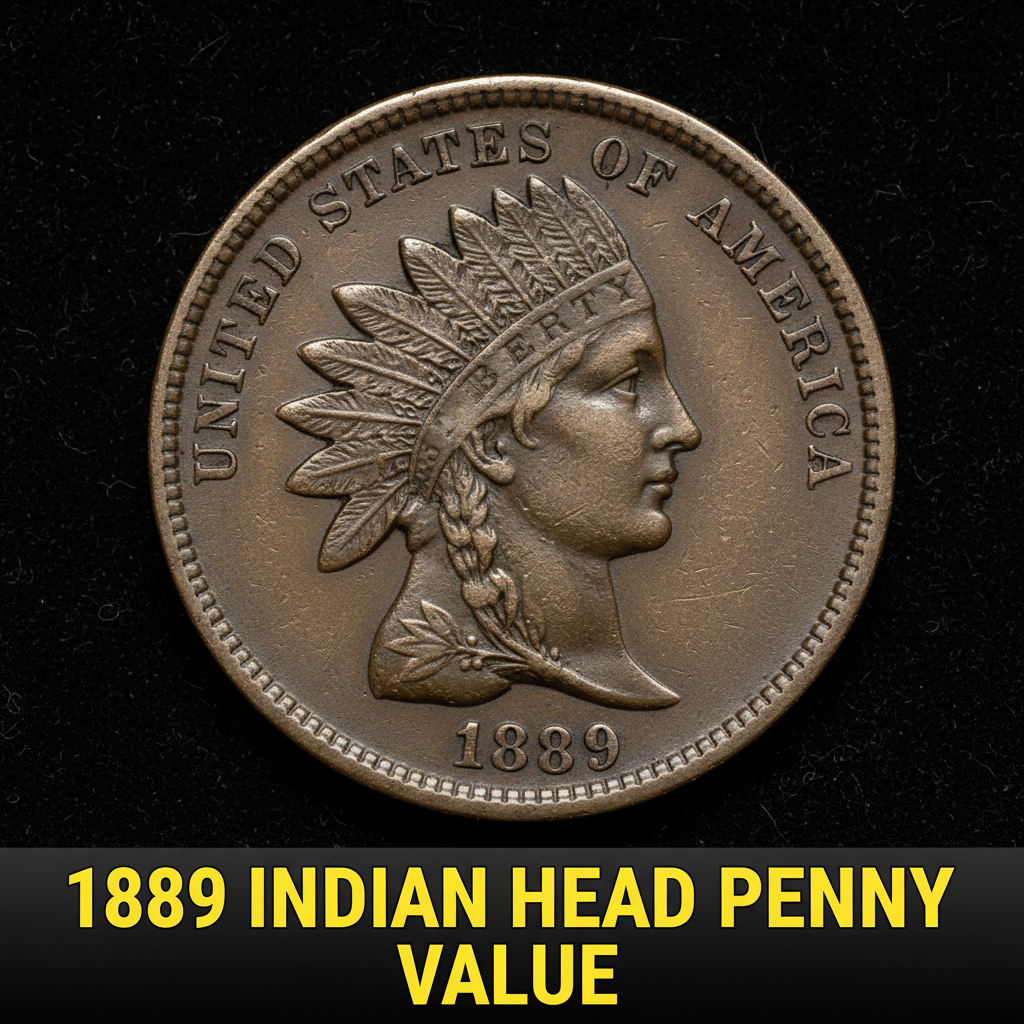
The Indian Head Penny series ran from 1859 to 1909, and the 1889 issue is one of the more accessible dates for everyday collectors. That year, the Philadelphia Mint struck over 37 million of these coins — a relatively high mintage that kept prices manageable even 130+ years later. The obverse features Lady Liberty wearing a Native American headdress (despite the “Indian Head” name), while the reverse shows a wreath surrounding the words “ONE CENT.”
If you recently discovered an old penny and aren’t sure what you’re looking at, a free coin identifier app can help you quickly confirm the date, mint mark, and series before you dive deeper into valuation. Once you’ve confirmed it’s an 1889 Indian Head Penny, condition becomes the single most important factor in determining what it’s actually worth.
1889 Indian Head Penny Value by Grade
Coin grading follows a scale from 1 (barely identifiable) to 70 (perfect). For the 1889 Indian Head Penny, the difference between a heavily circulated coin and a pristine uncirculated example can be dramatic. Here’s a general value breakdown:
| Grade | Description | Estimated Value |
|---|---|---|
| G-4 (Good) | Heavy wear, major details visible | $2 – $4 |
| VG-8 (Very Good) | Moderate wear, clear outline | $4 – $7 |
| F-12 (Fine) | Even wear, most details visible | $8 – $15 |
| EF-40 (Extremely Fine) | Light wear on high points only | $25 – $40 |
| MS-63 (Uncirculated) | No wear, some bag marks | $75 – $120 |
| MS-65 Red (Gem) | Full original luster, red surfaces | $200 – $400+ |
For the most up-to-date auction results and certified sale prices, you can check 1889 Indian Head Penny MS Red prices and recent sales data to see exactly what collectors are paying right now.
How to Grade Your 1889 Indian Head Penny at Home
You don’t need to be an expert to get a rough idea of your coin’s grade. Start by examining the feathers in Lady Liberty’s headdress and the ribbon that reads “LIBERTY.” On a well-worn coin, “LIBERTY” may be faint or missing entirely. On a Fine or better example, the letters should be mostly complete. The diamonds on the ribbon and the individual feathers become clearer as you move up the grade scale.
Color matters a lot for uncirculated examples. Indian Head Pennies can be graded as Brown (BN), Red-Brown (RB), or Red (RD). Red coins retain original mint color and command significantly higher premiums. Most well-circulated 1889 cents will appear brown or dark, which is perfectly normal and doesn’t reduce their collectibility.
CoinKnow is a handy tool many collectors use to grade coins right from their phone. Snap a photo, and the app provides an instant estimate based on surface details, luster, and strike quality — no magnifying glass required.
Are There Any Rare Varieties of the 1889 Indian Head Penny
The 1889 Indian Head Penny was only struck at the Philadelphia Mint, so there’s no mint mark to look for (Philadelphia coins of this era carried no mark). However, die varieties do exist. Collectors sometimes look for repunched dates or minor die anomalies, though most examples you’ll encounter are standard strikes without major premium-worthy varieties.
What does affect value significantly is strike quality and surface preservation. Some 1889 cents were struck with particularly sharp dies, resulting in crisp feather detail and bold lettering — these command more attention from advanced collectors. Proof versions were also made in limited numbers (roughly 3,336 proofs), and those can sell for $150 to $400+ depending on condition.
If you’re comparing similar coins across different years, exploring detailed Indian Head Penny value information for nearby dates like 1898 can give you helpful context about how prices shift year to year within the series.
Should You Clean or Sell Your 1889 Indian Head Penny
Never clean an old coin. This is the number one mistake people make, and it permanently destroys value. Even light polishing removes the natural patina that coin graders and collectors look for. A cleaned coin is immediately downgraded and can lose 50–80% of its potential market value. Leave it as-is.
If you’re thinking about selling, options include local coin shops, online auctions like eBay, or coin shows. For certified high-grade examples (MS-63 and above), consider submitting to PCGS or NGC for professional grading — the added credibility can significantly boost your sale price. CoinKnow also features a built-in marketplace guide that can help you understand where and how to sell based on your coin’s estimated value and condition, making it a smart first stop before you list anywhere.
FAQ
Q: How do I know if my 1889 Indian Head Penny is valuable?
A: Condition is the biggest factor. Look at how sharp the details are, whether “LIBERTY” is visible on the headband, and whether the coin retains any original reddish color. A coin in Very Fine condition or better is worth noticeably more than a heavily worn example. When in doubt, use CoinKnow to get a quick at-home assessment.
Q: Does the 1889 Indian Head Penny have a mint mark?
A: No. All 1889 Indian Head Pennies were struck at the Philadelphia Mint, which did not use a mint mark on cents at that time. If your coin has no mint mark, that’s completely normal and expected.
Q: What’s the most an 1889 Indian Head Penny has ever sold for?
A: Gem-quality examples in MS-66 Red have sold at major auction houses for over $1,000. These are exceptionally rare survivors with full original mint luster. Most coins won’t reach that level, but even average uncirculated examples can bring $75–$150 from the right buyer.