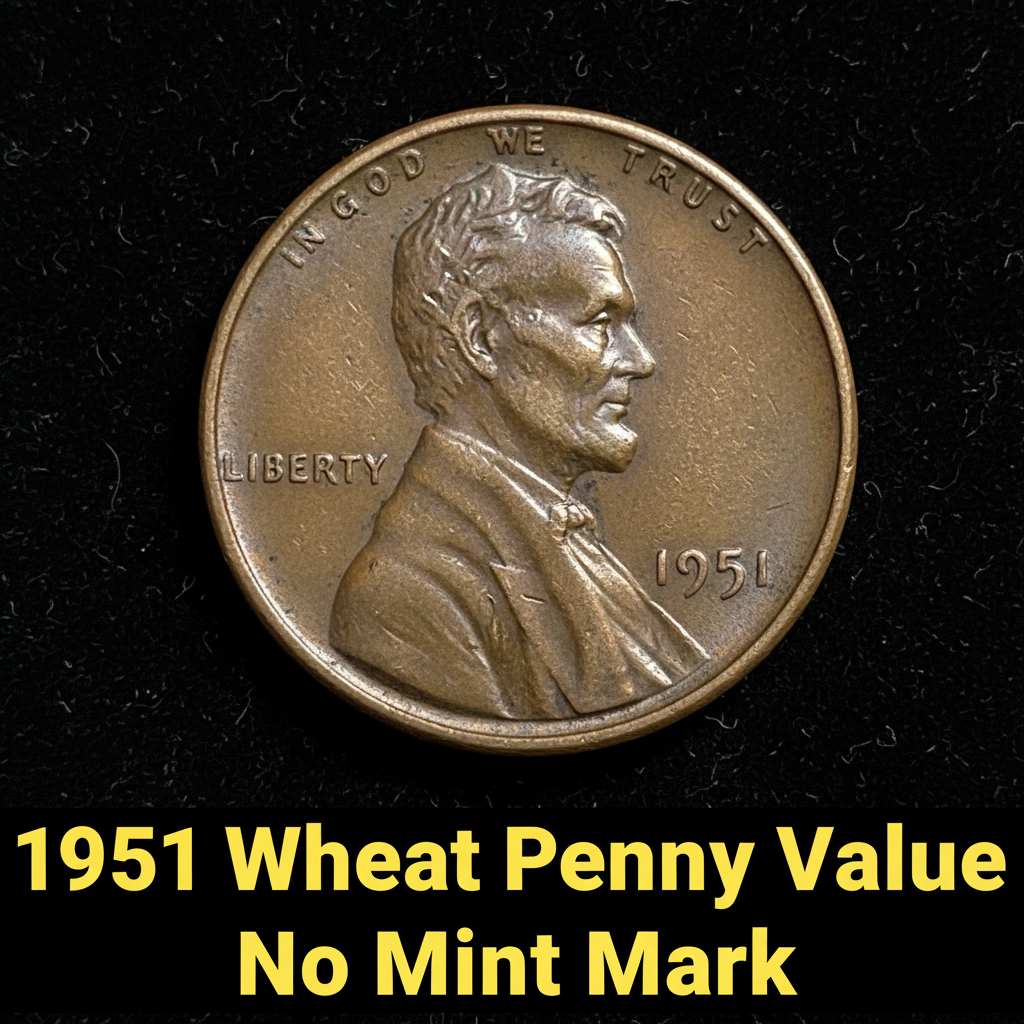
1951 Wheat Penny Value No Mint Mark What It’s Worth and Why Collectors Care
The 1951 Wheat Penny with no mint mark is worth anywhere from $0.10 in heavily worn condition to over $15 or more in uncirculated grades — and a handful of high-quality examples have sold for $50 or beyond. If you found one of these old Lincoln cents in a jar or coin collection, you’re in the right place to find out exactly what it’s worth.
What Is the 1951 No Mint Mark Wheat Penny?
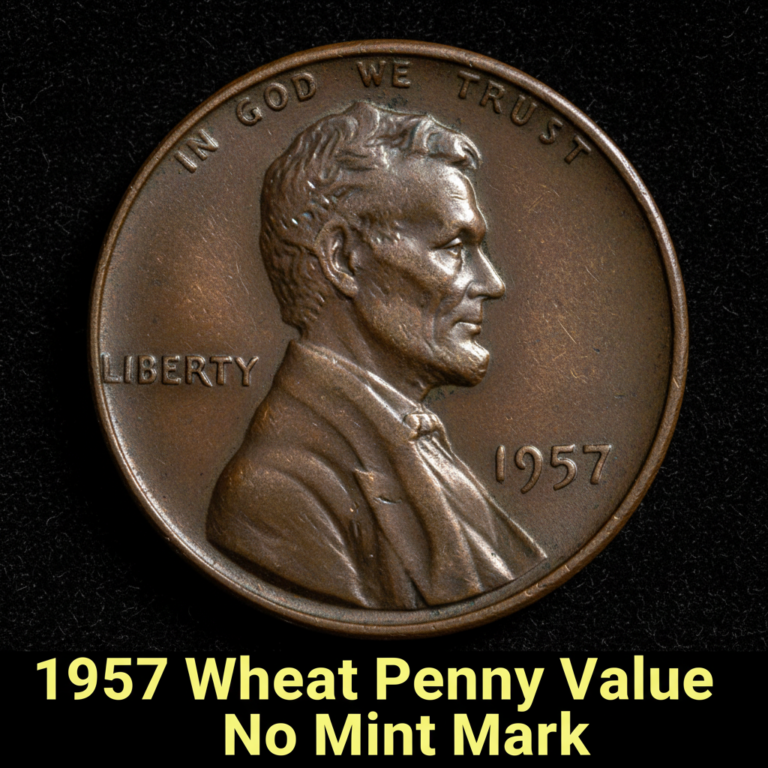
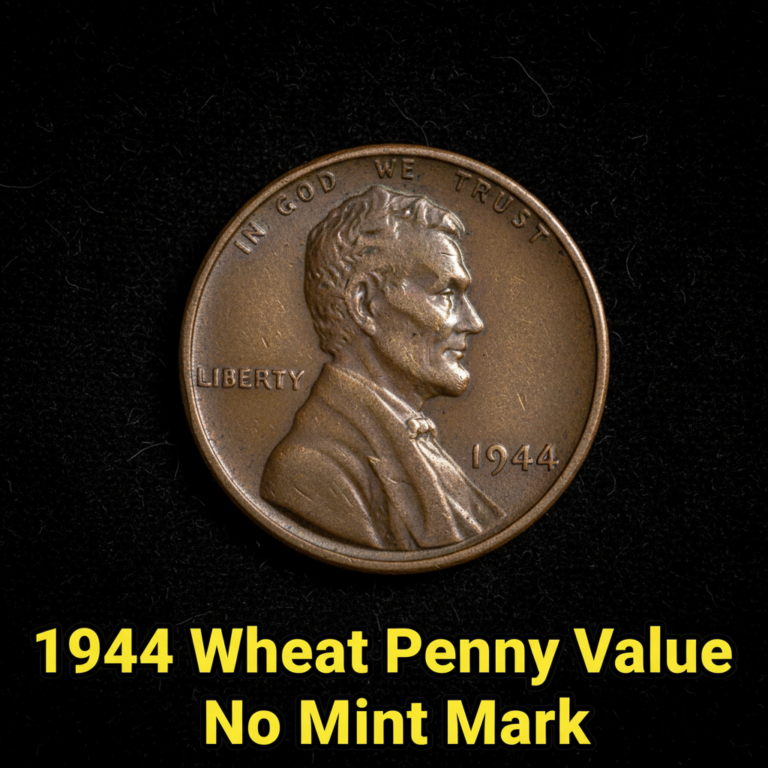
The 1951 Lincoln Wheat Penny without a mint mark was struck at the Philadelphia Mint. That’s normal — Philadelphia didn’t add a mint mark to coins until much later. That year, the Philadelphia Mint produced over 284 million of these pennies, making them relatively common. But don’t let that discourage you. Even common coins can carry surprising value when they’re in great shape or show interesting die errors.
If you’re not sure what mint mark you’re looking at — or if there’s one at all — using a free coin identifier app can help you quickly sort out what you’ve got before you even start researching the value. These apps are a great starting point for everyday collectors and first-timers alike. CoinKnow is one solid option that lets you scan your coin and get instant details on origin, grade estimates, and market prices — all from your phone.
1951 Wheat Penny Value by Grade
The condition of your coin — called the “grade” — is the single biggest factor in determining its value. A 1951 wheat penny that’s been in circulation for decades will show wear on Lincoln’s cheek, the wheat stalks, and the lettering. These circulated coins are worth less, while uncirculated coins that were never spent look almost as sharp as the day they were made.
Here’s a general value breakdown for the 1951 no mint mark wheat penny:
| Grade | Condition Description | Estimated Value |
|---|---|---|
| Good (G-4) | Heavy wear, outlines visible | $0.10 – $0.25 |
| Fine (F-12) | Moderate wear, details clearer | $0.25 – $0.50 |
| Extremely Fine (EF-40) | Light wear on high points | $1 – $3 |
| Uncirculated (MS-63) | No wear, some minor marks | $5 – $10 |
| Gem Uncirculated (MS-65+) | Sharp luster, minimal contact marks | $15 – $50+ |
For a more detailed look at certified mint state values for the 1951 Wheat Penny in Red designation, it’s worth checking what graded examples have actually sold for at auction.
What Makes Some 1951 Pennies Worth More?
Color plays a surprisingly big role in how much a 1951 wheat penny no mint mark is worth. Copper coins are graded not just on wear, but also on how much of their original reddish color remains. Coins are classified as:
– Red (RD): Original bright copper color, the most desirable
– Red-Brown (RB): A mix of original red and natural toning
– Brown (BN): Mostly brown, common in circulated coins
A gem uncirculated 1951 penny with full Red color will always fetch the highest prices. Beyond color, error coins — like doubled dies, off-center strikes, or repunched dates — can multiply the value significantly. Even a minor doubling on the lettering can push a common wheat penny into the $20–$100 range or higher. Always examine your coin closely under good lighting or a magnifier.
How to Find Out the Real Value of Your 1951 Wheat Penny
If you want a more precise number, there are several routes you can take. First, look up recent auction records on platforms like eBay or major numismatic auction houses. Sold listings — not asking prices — give you the truest picture of market value.
Second, you can get your coin professionally graded by PCGS or NGC. This is worth doing if your coin appears to be uncirculated or shows an error. A graded coin in a tamper-evident slab is much easier to sell and typically commands a higher price.
For a comprehensive overview of 1951 penny values across all mint marks and grades, a dedicated coin value resource can give you side-by-side comparisons. You can also try CoinKnow, which pulls together pricing data and grading guides so you don’t have to jump between a dozen different websites.
FAQ
Q: Is the 1951 wheat penny with no mint mark rare?
A: Not especially. With over 284 million minted in Philadelphia, it’s one of the more common wheat pennies. However, high-grade examples — especially those with full Red color — are scarce and can be worth meaningful money.
Q: Where is the mint mark on a 1951 wheat penny?
A: On Lincoln wheat pennies, the mint mark appears just below the date on the obverse (front) of the coin. A 1951 penny from Philadelphia will have no mint mark at all, which is perfectly normal.
Q: Can I use an app to find out my 1951 wheat penny value?
A: Yes! Apps like CoinKnow can help you identify your coin, estimate its grade, and check current market values right from your phone. It’s a convenient first step before visiting a coin dealer or submitting to a grading service.