1927-D Buffalo Nickel Value What This Denver Mint Coin Is Worth Today
The 1927-D Buffalo Nickel is worth anywhere from $10 in heavily worn condition to well over $1,000 or more in higher mint state grades. If you’ve found one of these old nickels in a drawer, jar, or inherited collection, you may be sitting on a surprisingly valuable piece of American history.
Before we dive in, if you’re not sure which Buffalo Nickel you have or want to quickly identify coins from your collection, a free coin identifier app can help you figure out what you’re looking at in seconds. Tools like CoinKnow make it easy to scan, identify, and get instant value estimates without needing to be a coin expert.
—
What Makes the 1927-D Buffalo Nickel Special
The 1927-D Buffalo Nickel was struck at the Denver Mint, indicated by the small “D” mintmark found on the reverse side of the coin, just below the words “FIVE CENTS.” In 1927, the Denver Mint produced approximately 5,730,000 of these nickels — a mintage that is considered relatively low compared to the Philadelphia issues of the same year. Lower mintage generally means fewer survivors today, which directly influences collector demand and market value.
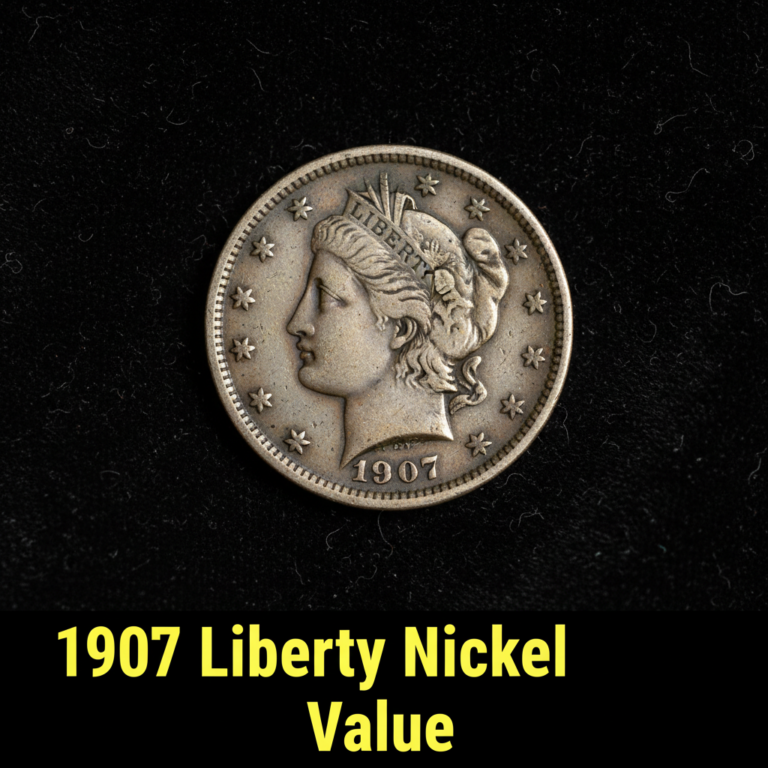
The Buffalo Nickel series, officially called the Indian Head Nickel, was designed by sculptor James Earle Fraser. It features a Native American portrait on the obverse and an American bison on the reverse. These coins were minted from 1913 to 1938 and remain one of the most beloved classic U.S. coin designs. The 1927-D is not considered a key date, but it is a semi-scarce coin that commands solid premiums in nicer grades. Whether you collect by date or simply appreciate beautiful old coins, the 1927-D is worth knowing about.
—
How Much Is a 1927-D Buffalo Nickel Worth by Grade
The value of a 1927-D Buffalo Nickel depends heavily on its condition, or “grade.” Coins that have been circulated — passed from hand to hand over decades — will show wear on the high points of the design, such as the cheekbone of the Native American figure and the bison’s hip. The more wear, the lower the grade and the lower the value.
Here’s a general value breakdown:
| Grade | Description | Estimated Value |
|---|---|---|
| G-4 (Good) | Heavy wear, date readable | $10 – $15 |
| F-12 (Fine) | Moderate wear, some detail visible | $20 – $35 |
| VF-20 (Very Fine) | Light wear on high points | $50 – $80 |
| EF-40 (Extremely Fine) | Slight wear, sharp details | $120 – $175 |
| MS-63 (Mint State) | Uncirculated, minor marks | $400 – $700 |
| MS-65 (Gem Mint State) | Virtually flawless | $1,200+ |
For the most up-to-date auction results and certified coin sales, you can check the 1927-D Buffalo Nickel mint state price data on CoinHix, which tracks recent transactions across major platforms.
—
Where to Find the Mintmark and Confirm Your Coin
One of the first things collectors and new hobbyists want to know is how to confirm they have the “D” mintmark variety. Flip the coin over to the reverse side and look just below “FIVE CENTS” — the mintmark will be stamped there as a small capital letter. A “D” means it was struck in Denver. No mintmark means Philadelphia, and an “S” indicates San Francisco.
It’s also worth noting that Buffalo Nickels are notorious for weak strikes and worn-off dates. If the date on your coin appears faded or missing entirely, don’t give up on it. There are special chemical solutions called “nic-a-date” that can temporarily reveal worn dates, though they do affect the coin’s surface. For a clean identification experience, CoinKnow lets you photograph your coin and cross-reference it against a large database of known varieties and mintmarks — no chemicals required.
—
Factors That Can Increase the 1927-D Buffalo Nickel Value
Beyond grade, a few additional factors can push the value of your 1927-D Buffalo Nickel higher. First, coins that have been certified and graded by a third-party grading service like PCGS or NGC typically sell for a premium because buyers trust the assigned grade. A raw (ungraded) coin in the same condition might sell for less simply due to uncertainty.
Second, strike quality matters. Buffalo Nickels from the Denver Mint in the 1920s are sometimes weakly struck, meaning the fine details on the bison’s horn or the Native American’s hair weren’t fully impressed during minting. A sharply struck 1927-D is rarer and more desirable. Some certified coins even receive a “Full Horn” designation, which can significantly increase the coin’s value at auction.
Color and surface preservation also matter for uncirculated examples. Original luster — that frosty or cartwheel shine seen on coins that were never circulated — is a big deal to collectors. A coin that has been cleaned or polished will lose that luster and lose value accordingly. If you want a full breakdown of 1927 Buffalo Nickel values by grade and variety, dedicated coin value resources can give you a more detailed picture.
—
How to Get the Best Price for Your 1927-D Buffalo Nickel
If you believe your coin is in Fine or better condition, it’s worth taking the time to research its value properly before selling. Avoid cleaning the coin — this is the single most common mistake people make that dramatically reduces value. Store it in a protective coin flip or holder and keep it away from moisture and direct sunlight.
Options for selling include online platforms like eBay and Heritage Auctions, local coin dealers, or coin shows. Getting a second opinion from multiple dealers is always a smart move. For beginners who want a quick and easy starting point, CoinKnow is a great tool to scan your coin, estimate its grade, and understand roughly what it might fetch before you approach a dealer.
—
FAQ
Q: Is a 1927-D Buffalo Nickel rare?
A: It’s not considered a key date, but with a mintage of just under 5.8 million and many coins having suffered heavy wear over decades of circulation, finding one in Very Fine or better condition is definitely not common. Higher-grade examples are genuinely scarce.
Q: Can I tell the difference between a 1927-D and a 1927-S Buffalo Nickel just by looking?
A: Yes — check the mintmark on the reverse below “FIVE CENTS.” A “D” means Denver and an “S” means San Francisco. The 1927-S has a much lower mintage and is worth considerably more across all grades.
Q: What should I do if the date on my Buffalo Nickel is worn off?
A: Don’t assume it’s worthless. A coin with a completely worn date is called a “dateless Buffalo Nickel” and typically sells for $1–$3 for its novelty and copper-nickel metal content. However, before giving up on a faint date, try viewing it under a strong light at different angles. You can also use a commercial date-restoring solution, but be aware that this permanently alters the coin’s surface and may affect its collectible value.