1892 Indian Head Penny Value Guide What Is It Worth Today
The 1892 Indian Head Penny is worth anywhere from $2 in heavily worn condition to over $150 or more in mint state grades. If you found one of these beautiful old cents, you’re holding a piece of American history — and it could be worth more than you think.
What Makes the 1892 Indian Head Penny Special
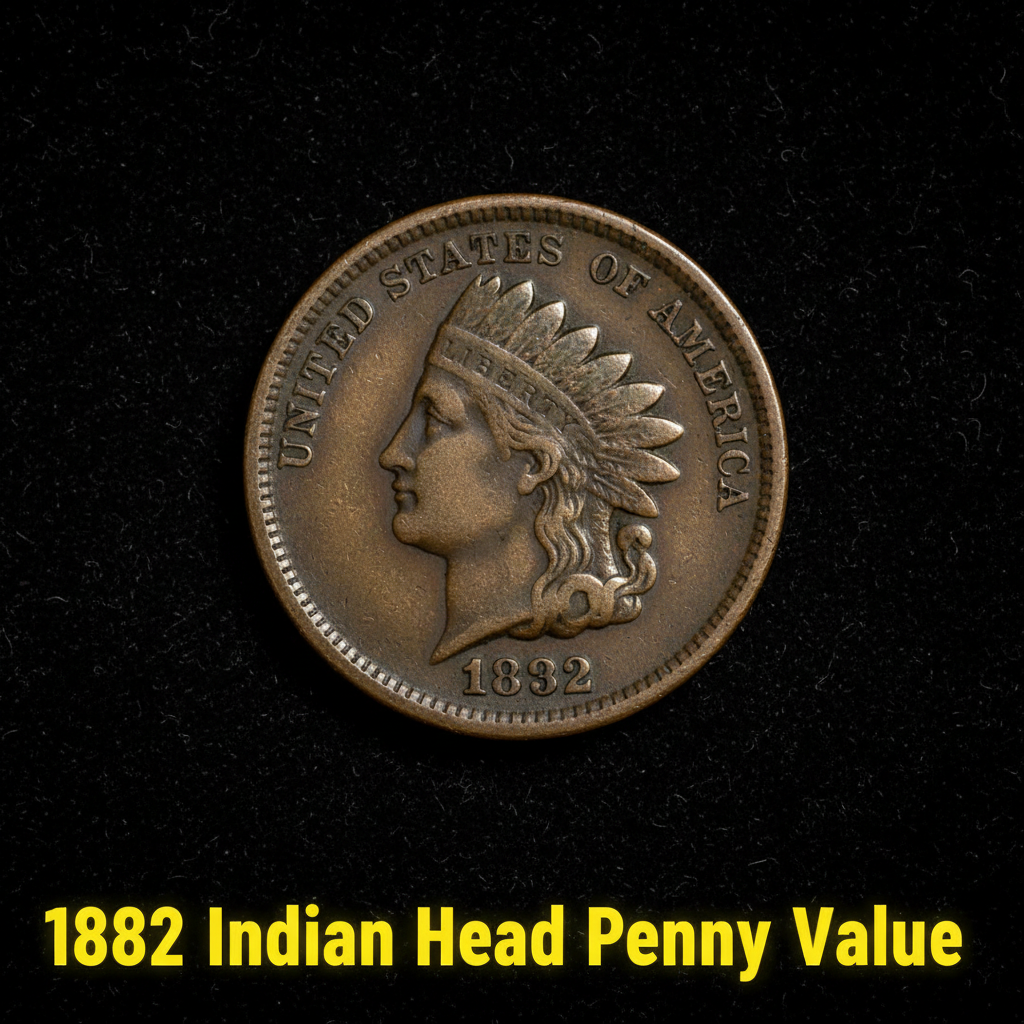
The 1892 Indian Head Penny was struck at the Philadelphia Mint during a fascinating era in American coinage. Designed by James Barton Longacre, this small copper coin features Lady Liberty wearing a Native American headdress — a design that has captivated collectors for well over a century. Over 37 million of these cents were produced in 1892, making them relatively available compared to earlier dates in the series, but that doesn’t mean they’re without value. Condition is everything when it comes to old pennies. A coin that spent decades in circulation will show heavy wear on Liberty’s portrait and the feathers of her headdress. One that was carefully saved in a drawer or envelope, however, can still display original luster and sharp detail — and that’s where the real money is.
If you’re not sure what you have, using a free coin identifier app is a great first step. These tools can help you confirm the date, mint mark, and even get a rough estimate of your coin’s condition before you take it to a dealer or look up more detailed pricing information.
1892 Indian Head Penny Value by Grade
Coin value is almost entirely determined by grade — a standardized measure of a coin’s condition on a scale from 1 (barely identifiable) to 70 (perfect). Here’s a practical breakdown of what the 1892 Indian Head Penny is worth across common grades:
| Grade | Description | Estimated Value |
|---|---|---|
| Good (G-4) | Heavy wear, date visible | $2 – $4 |
| Very Good (VG-8) | Major details visible | $4 – $7 |
| Fine (F-12) | Moderate wear, clear design | $8 – $14 |
| Very Fine (VF-20) | Light to moderate wear | $15 – $25 |
| Extremely Fine (EF-40) | Slight wear on high points | $30 – $50 |
| About Uncirculated (AU-55) | Trace wear only | $55 – $85 |
| Mint State (MS-63) | Uncirculated, some marks | $100 – $150 |
| Mint State Red (MS-65 RD) | Full original red luster | $300+ |
For the most current auction records and certified sale prices, you can browse detailed 1892 Indian Head Penny price data in MS Red grades to see what top-quality examples are actually fetching on the market today.
How to Tell If Your 1892 Penny Is in Good Shape
Most people who find an 1892 Indian Head Penny in an old jar or a relative’s collection are dealing with a circulated coin. That’s perfectly fine — circulated examples still carry real numismatic value. To judge your coin’s condition at home, look at these key areas:
– Liberty’s portrait: The highest relief point on the obverse. Heavy wear flattens the cheek and hairline.
– The headdress feathers: In lower grades, these become smooth and blended together. In higher grades, each feather tip is distinct.
– The word LIBERTY on the headband: On coins graded Very Good or better, this inscription is readable. On Good coins, it may be partially missing.
– The reverse wreath: Look for sharp leaf veins and berry detail. On worn coins, these fade into flat surfaces.
Don’t clean your coin. Cleaning destroys original surfaces and dramatically lowers collector value. A naturally toned 1892 Indian Head Penny will always be worth more than a polished one.
Color Designation and Its Impact on Value
One thing many beginners don’t realize is that uncirculated Indian Head Pennies are also graded by color, and this significantly affects the 1892 Indian Head Penny value. The three designations are:
– Red (RD): The coin retains 95% or more of its original mint red color. These are the most valuable.
– Red-Brown (RB): Between 5% and 95% red color remains. Moderate value.
– Brown (BN): The coin has turned entirely brown due to oxidation. Lowest value among mint state examples.
An MS-63 Brown example might sell for around $50–$70, while an MS-63 Red example can easily reach $120–$150 or more. This is why professional grading by PCGS or NGC matters so much for high-grade coins.
CoinKnow is an excellent tool for understanding these color grades and what they mean for your specific coin. The app breaks down grading standards in plain language, making it easy for everyday collectors to get up to speed quickly.
Comparing the 1892 to Other Indian Head Penny Dates
The Indian Head Penny series ran from 1859 to 1909, and values can vary enormously from one year to the next. The 1892 is considered a common date within the series — meaning it’s not a key date with a tiny mintage. That’s good news if you’re building a collection on a budget, but it also means you shouldn’t expect to retire on a single circulated example.
Key dates like the 1877 and 1909-S are worth thousands of dollars even in worn condition. If you’re curious how other dates in the series stack up, this breakdown of 1898 Indian Head Penny values gives a great look at how pricing compares across similar late-series dates and what factors drive premiums from year to year.
The bottom line is that the 1892 is a solid mid-series coin with consistent collector demand and a reliable value floor, especially in grades EF and above.
Using CoinKnow to Get a Fast Estimate
If you want a quick, reliable answer about your coin’s worth without spending hours researching, CoinKnow is one of the best resources available. The app uses up-to-date market data to give you realistic value estimates based on date, grade, and color designation. It’s particularly useful if you have a batch of old coins and want to sort out which ones deserve professional grading and which are better off in a circulated set.
Whether you’re a first-time finder or a seasoned collector, CoinKnow makes the process simple and straightforward.
—
Frequently Asked Questions
Q: Is an 1892 Indian Head Penny rare?
A: No, the 1892 Indian Head Penny is not considered rare. With a mintage of over 37 million, it’s one of the more common dates in the series. However, high-grade examples — especially in MS Red — are genuinely scarce and can command strong prices.
Q: Should I get my 1892 penny professionally graded?
A: It depends on condition. If your coin appears uncirculated or close to it, professional grading by PCGS or NGC can significantly increase its marketability and confirm its true grade and color designation. For heavily circulated coins, the grading fee may outweigh the benefit.
Q: Where is the best place to sell an 1892 Indian Head Penny?
A: Options include eBay (for reaching a wide audience), local coin shops (for quick cash), and major auction houses (for high-grade examples). Always check recent sold listings before setting a price, and consider using CoinKnow to verify your value estimate before listing.