1978-D Lincoln Penny Value Guide What It’s Worth and Why
The 1978-D Lincoln Penny is worth anywhere from a few cents in heavily worn condition to over $10 or more in pristine uncirculated grades, with top certified examples occasionally fetching $50 or higher at auction. If you found one of these coins in your change jar or an old collection, you’re in the right place to find out exactly what it’s worth.
What Is the 1978-D Lincoln Penny?
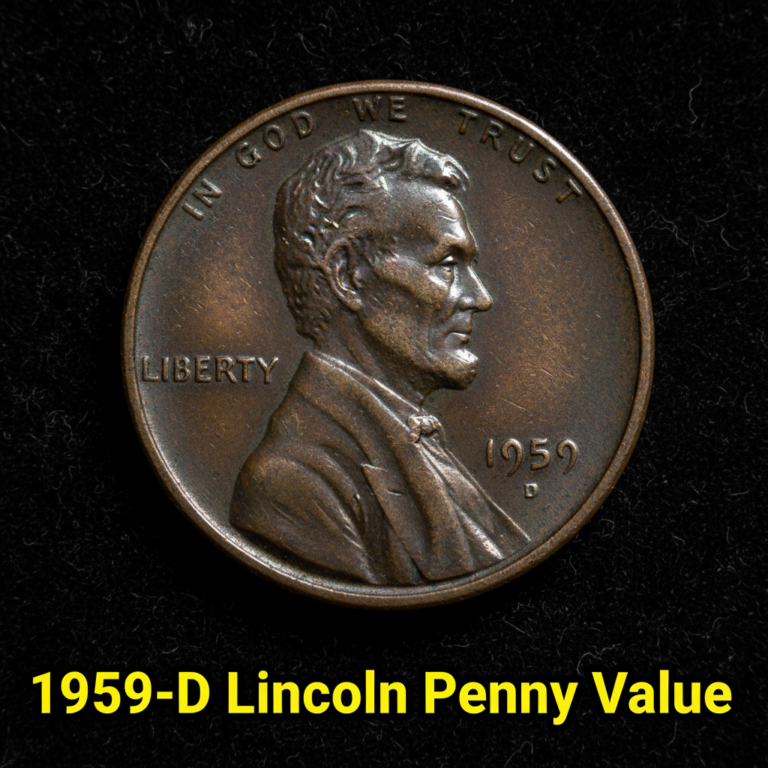
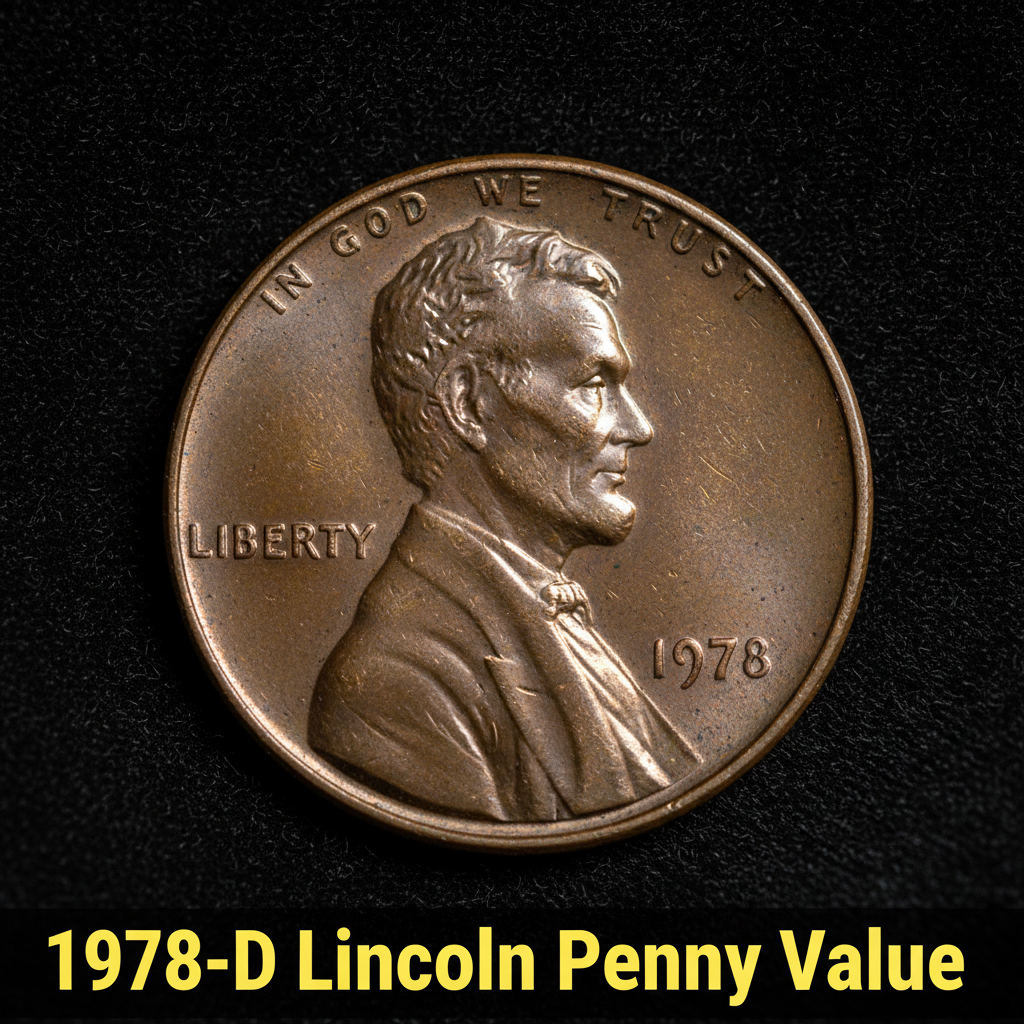
The 1978-D Lincoln Memorial cent was struck at the Denver Mint, which is why it carries the small “D” mintmark just below the date on the obverse. Denver was a high-output facility in 1978, producing over 4.2 billion pennies that year — yes, billion. That enormous mintage is one of the main reasons most 1978-D pennies you find in circulation are not worth a fortune. They simply aren’t rare.
That said, not every coin from a massive mintage is equal. Coins that were well-struck, never circulated, and carefully preserved can still carry real collector value. If you’re not sure what you have, using a free coin identifier app is a great first step to examine your coin’s details before getting a professional grade. Tools like CoinKnow can help you quickly identify the coin, understand its key features, and get a ballpark value estimate — all from your smartphone.
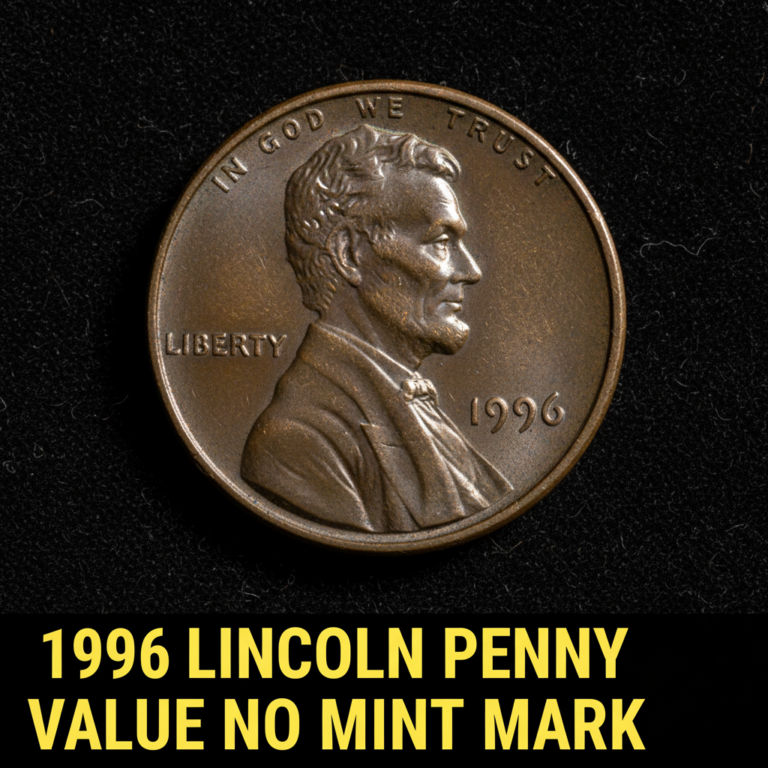
The coin features Victor David Brenner’s classic portrait of Abraham Lincoln on the front and the Lincoln Memorial reverse design introduced in 1959. It’s made of 95% copper and 5% zinc, which gives older Lincoln cents like this one a distinctive warm color compared to the zinc-heavy pennies made after 1982.
1978-D Lincoln Penny Value by Grade
Grade is everything when it comes to coin values. A coin’s condition is measured on the Sheldon scale from 1 (barely identifiable) to 70 (perfect). Here’s a practical breakdown of what the 1978-D Lincoln penny is worth at various grades:
| Grade | Condition | Estimated Value |
|---|---|---|
| G-4 (Good) | Heavy wear, design visible | Face value (~$0.01) |
| VF-20 (Very Fine) | Moderate wear, clear details | $0.05 – $0.25 |
| MS-63 (Uncirculated) | No wear, some bag marks | $1 – $3 |
| MS-65 (Gem Uncirculated) | Bright luster, minimal marks | $5 – $15 |
| MS-67 (Superb Gem) | Near perfect, full red color | $50 – $100+ |
For a more detailed look at certified auction results and current market prices, you can browse 1978-D Lincoln penny price data across multiple grades and color designations. Real-world sales data is always more reliable than guessing.
Red, Brown, and Red-Brown — Why Color Matters
One thing many casual collectors don’t realize is that copper coins like Lincoln cents are also graded by their color. There are three designations:
– RD (Red): The coin retains 95% or more of its original mint red color. Most valuable.
– RB (Red-Brown): Mixed color, between 5% and 95% original red. Mid-range value.
– BN (Brown): Coin has toned to a mostly brown appearance. Least valuable of the three.
A 1978-D penny graded MS-65 RD will be worth significantly more than one graded MS-65 BN. If you’re buying or selling, always pay attention to this designation. The CoinKnow app can help you understand which color category your coin might fall into by analyzing photos and comparing them to certified examples in its database.
Are There Any Valuable 1978-D Penny Errors?
Yes — and this is where things get exciting for everyday collectors. Even common-year coins can carry premium value when errors or varieties are present. Here are a few worth looking for on your 1978-D Lincoln cent:
Doubled Die Obverse (DDO): Look closely at the lettering “IN GOD WE TRUST” and Lincoln’s eye with a magnifying glass. A genuine doubled die will show a clear doubling that isn’t just a reflection or machine doubling. These can be worth $25 to $100 or more depending on the degree of doubling.
Off-Center Strikes: If the design is noticeably shifted to one side of the coin and you can see a blank crescent of metal on the opposite edge, that’s an off-center error. A 10–20% off-center 1978-D cent can bring $10–$30. A dramatic 50% off-center with the full date visible can be worth $50 to $100.
Die Cap or Brockage Errors: Rarer and more dramatic — these coins show a mirror image or cap-shaped strike and can be worth hundreds to collectors who specialize in mint errors.
If you suspect you have an error coin, compare it carefully before spending it. Resources like this comprehensive guide to 1978 penny values and known varieties are a great reference for understanding what errors have been documented on this date.
How to Get the Best Price for Your 1978-D Penny
If you believe your coin is in high grade (MS-65 or better) or has a notable error, professional certification from PCGS or NGC is worth the investment. A certified coin sells for more and attracts more buyers than a raw, uncertified one.
For everyday worn examples, the honest answer is that most circulated 1978-D pennies are still worth just face value or a tiny premium. But don’t let that discourage you — checking your coins is always worthwhile, and every once in a while, someone finds a true gem hiding in a shoebox.
Using CoinKnow is one of the easiest ways to start. You can scan your coins, get instant identification, and learn what details make your specific coin more or less valuable — all for free.
—
Frequently Asked Questions
Q: How much is a 1978-D penny worth today?
A: Most circulated 1978-D Lincoln pennies are worth face value or up to $0.25. Uncirculated examples in grades MS-63 to MS-65 typically sell for $1 to $15. Superb gems in MS-67 or higher with full red color can reach $50 to over $100.
Q: What makes a 1978-D penny rare or valuable?
A: High grade (MS-65 or above), full original red color (RD designation), and the presence of mint errors — such as doubled dies or significant off-center strikes — are the main factors that push a 1978-D penny above common value.
Q: Should I clean my 1978-D penny before selling it?
A: Absolutely not. Cleaning a coin removes its natural surface and destroys its numismatic value. Even a lightly cleaned coin will grade lower and sell for far less than an original, uncleaned example. Leave it as-is and let a grader assess it in its natural state.