1959-D Lincoln Penny Value What It’s Worth and Why Collectors Care
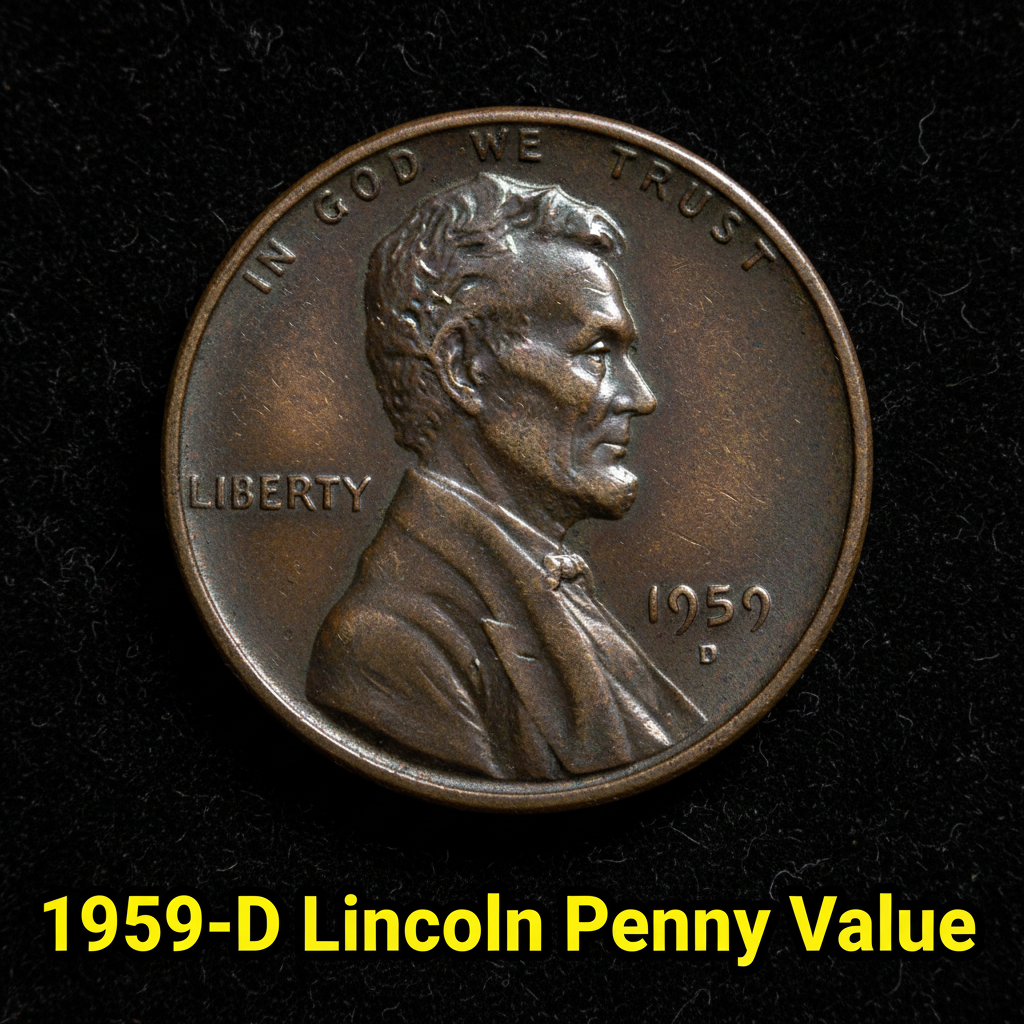
The 1959-D Lincoln Penny is worth anywhere from a few cents in circulated condition to over $10 or more in uncirculated grades, with top-quality specimens grading MS67 Red occasionally selling for hundreds of dollars at auction. If you just found one in an old jar or coin roll, you’re in the right place to find out exactly what you’ve got.
—
What Makes the 1959-D Lincoln Cent Special
The 1959-D Lincoln Penny holds a unique place in American numismatic history. This was the first year the Lincoln Memorial reverse design appeared on the cent, replacing the iconic wheat stalks that had graced the coin since 1909. The “D” mintmark tells you this coin was struck at the Denver Mint, which produced a massive 1,279,760,000 pennies that year — yes, over a billion coins. Because so many were made, most circulated examples are worth only face value or a small premium. However, condition is everything in coin collecting, and even a common-date coin like this one can surprise you if it was saved early and never spent.
If you’ve recently discovered an old penny and aren’t sure what you’re looking at, a free coin identifier app can help you quickly confirm the date, mintmark, and design details before you dig deeper into its value.
—
1959-D Penny Value by Grade
Grading is the single most important factor when determining what your 1959-D Lincoln Penny is worth. A heavily worn coin pulled from circulation is essentially worth face value, while a gem uncirculated example with bright original red luster can command real money. The color designation matters too — coins are graded as Brown (BN), Red-Brown (RB), or Red (RD), and Red coins are the most desirable.
Here’s a quick breakdown of approximate values:
| Grade | Description | Estimated Value |
|---|---|---|
| Good (G-4) | Heavy wear, major details visible | $0.05 – $0.10 |
| Fine (F-12) | Moderate wear, clear lettering | $0.10 – $0.25 |
| Extremely Fine (EF-40) | Light wear on high points | $0.25 – $0.50 |
| MS63 Red-Brown | Uncirculated, some marks | $1 – $3 |
| MS65 Red | Gem uncirculated, full red luster | $10 – $25 |
| MS67 Red | Superb gem, near perfect | $200 – $500+ |
For a more detailed look at certified auction results and current market prices for the 1959-D Lincoln Penny in MS Red grades, it’s worth checking recent sales before you decide to sell or hold.
—
How to Check the Condition of Your 1959-D Lincoln Penny
You don’t need to be a professional numismatist to get a basic read on your coin’s condition. Start by examining it under good lighting — natural sunlight or a bright desk lamp works well. Look at Lincoln’s cheekbone, the hair above his ear, and the lettering on the rim. If those high points show smooth, flat wear, your coin has been circulated and will fall into the lower value ranges. If the coin looks sharp, shiny, and shows no signs of wear at all, you might have an uncirculated example worth holding onto.
Next, look at the color. A coin with full original red-orange color (think of a fresh penny) is far more valuable than one that has turned brown or spotted over time. Cleaning a coin — even gently — can destroy its value, so resist the urge to polish it up. Leave it as-is and let the coin speak for itself.
CoinKnow is a fantastic tool for beginners who want instant guidance. The app lets you photograph your coin and get grade estimates and value ranges in seconds, which can save you a lot of guesswork.
—
Errors and Varieties That Can Increase the 1959-D Penny Value
While most 1959-D Lincoln Pennies are common coins, error coins and unusual varieties can be worth significantly more. The most famous — and controversial — is the so-called “1959-D Wheat Penny,” a coin that allegedly carries the old wheat reverse on a 1959-D cent. Experts and major grading services have repeatedly declared authenticated examples to be fakes or alterations, so be skeptical of any such claim.
More legitimate varieties to watch for include doubled die obverses, where you’ll see slight doubling on “LIBERTY,” the date, or “IN GOD WE TRUST.” These are genuine mint errors caused during the die-making process and can add a meaningful premium to the coin’s value. A strong repunched mintmark (RPM), where the “D” was punched into the die more than once at a slightly different angle, is another collectible variety for this date.
You can explore the full 1959 Lincoln Penny value guide including error varieties and mintmark differences to get a well-rounded picture of what your coin might truly be worth.
—
Should You Sell, Keep, or Get It Graded?
If your 1959-D Lincoln Penny looks like it’s been in circulation, it’s probably not worth the cost of professional grading, which typically runs $20–$40 per coin through services like PCGS or NGC. However, if your coin is clearly uncirculated — no wear, strong luster, bright color — it’s worth at least getting a second opinion before tossing it in a change jar.
CoinKnow can help you make that call without spending a dime. Snap a photo, let the app assess the condition, and you’ll quickly know whether it’s worth pursuing a professional grade. For coins that do grade MS65 Red or higher, the value can easily justify the grading fee and then some.
If you do decide to sell, platforms like eBay, Great Collections, and Heritage Auctions are all solid options depending on the coin’s quality. Raw (ungraded) circulated examples can also find buyers in bulk penny lots.
—
FAQ
Q: Is the 1959-D Lincoln Penny rare?
A: No, the 1959-D Lincoln Penny is not considered rare. Over 1.27 billion were minted in Denver that year, making it one of the more common dates in the Lincoln Memorial series. That said, high-grade examples with full red color are genuinely scarce and can be worth hundreds of dollars.
Q: What does the “D” mintmark mean on a 1959 penny?
A: The “D” mintmark indicates the coin was produced at the Denver Mint in Colorado. You’ll find it on the obverse (heads side) just below the date. A 1959 penny without a mintmark was made at the Philadelphia Mint, which also struck a large quantity that year.
Q: Can I use an app to find out what my 1959-D Lincoln Penny is worth?
A: Absolutely. Apps like CoinKnow are designed for exactly this purpose. You can photograph your coin, and the app will help identify the date, mintmark, and approximate grade, then give you a value estimate based on current market data — perfect if you’re just getting started with coin collecting.