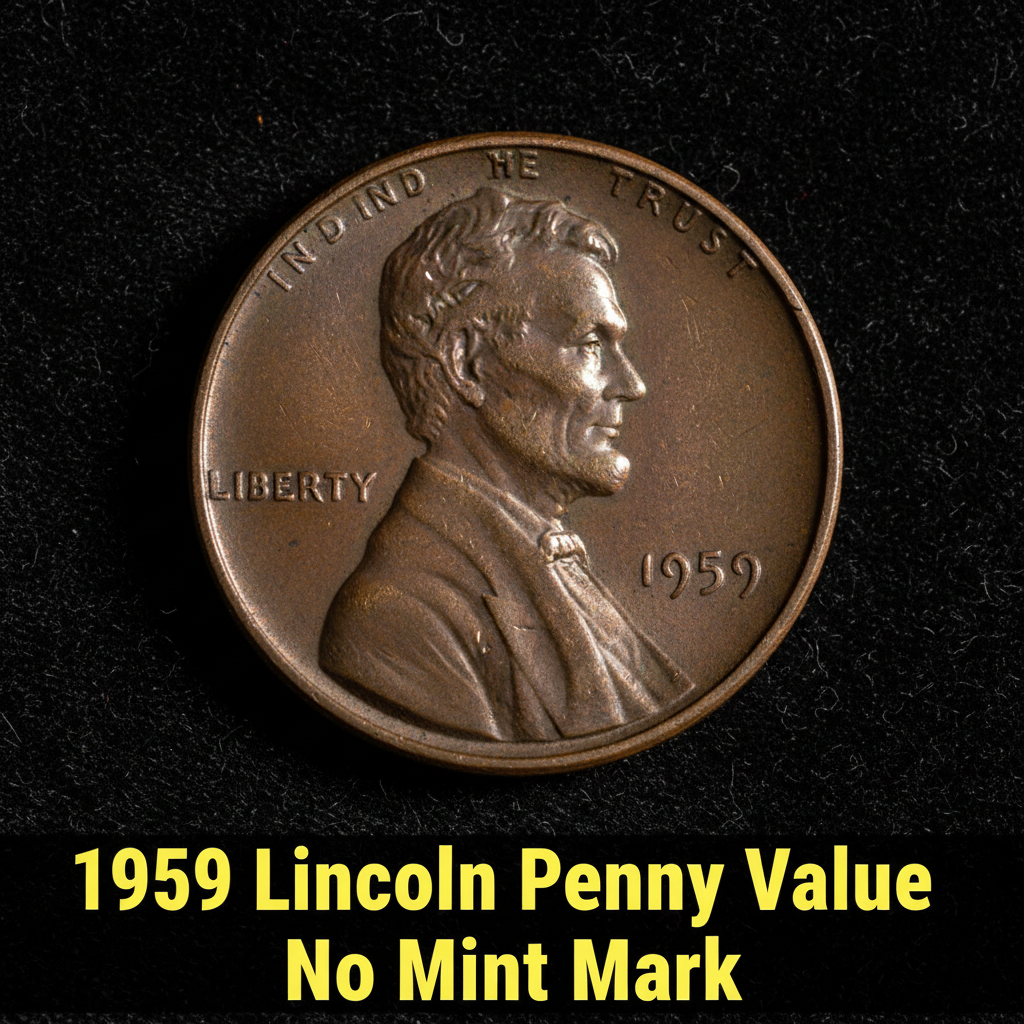
1959 Lincoln Penny Value No Mint Mark What It’s Really Worth Today
The 1959 Lincoln Penny with no mint mark is worth anywhere from a few cents in heavily circulated condition to $15 or more in uncirculated grades — and top mint state examples with full red color can fetch $50 to over $100 at auction. If you found one of these coins sitting in an old jar or inherited a collection, you’re in the right place to find out exactly what it’s worth.
If you’re not sure what coin you’re holding, using a free coin identifier app is a great first step before diving into the valuation details. Apps like CoinKnow can scan your coin and give you an instant identification, which is especially handy when you’re dealing with Lincoln cents from the late 1950s that can look very similar across years.
—
What Makes the 1959 Lincoln Penny No Mint Mark Special
The 1959 Lincoln Penny holds a unique place in American coin history. This was the first year the reverse design of the Lincoln cent changed from the classic wheat stalks (used since 1909) to the Lincoln Memorial design. That makes it a transition-year coin — and collectors love transition years.
The “no mint mark” version was struck at the Philadelphia Mint, which did not use a mint mark on pennies at that time. The Philadelphia facility produced over 609 million of these coins in 1959, making them relatively common in circulated grades. However, coins that were never spent and survived in excellent condition are considerably harder to find. The combination of historical significance and condition rarity is what drives collector interest. Whether you’re a seasoned numismatist or just someone who found an old penny in a drawer, understanding this background helps put the coin’s value in context.
—
1959 Lincoln Penny Value by Grade and Condition
Condition is everything when it comes to coin values. A heavily worn 1959 Lincoln cent might not even be worth saving, while a pristine uncirculated example with bright red luster can bring serious collector money. Here’s a breakdown of typical values:
| Grade | Description | Estimated Value |
|---|---|---|
| Good (G-4) | Heavy wear, design visible but flat | $0.05 – $0.10 |
| Fine (F-12) | Moderate wear, major details clear | $0.10 – $0.25 |
| Extremely Fine (EF-40) | Light wear on high points only | $0.50 – $1.50 |
| Mint State Red (MS-63 RD) | Uncirculated with mostly red color | $5 – $15 |
| Mint State Red (MS-65 RD) | Gem uncirculated, full red, minimal marks | $20 – $50 |
| MS-67 RD (Top Pop) | Superb gem, near-perfect surfaces | $100+ |
For a deeper look at 1959 Lincoln Penny MS Red price data across different grade points, numismatic price databases track recent auction results and dealer sales that can reflect the current market more accurately than static price guides.
—
How Color Designation Affects the 1959 Penny No Mint Mark Value
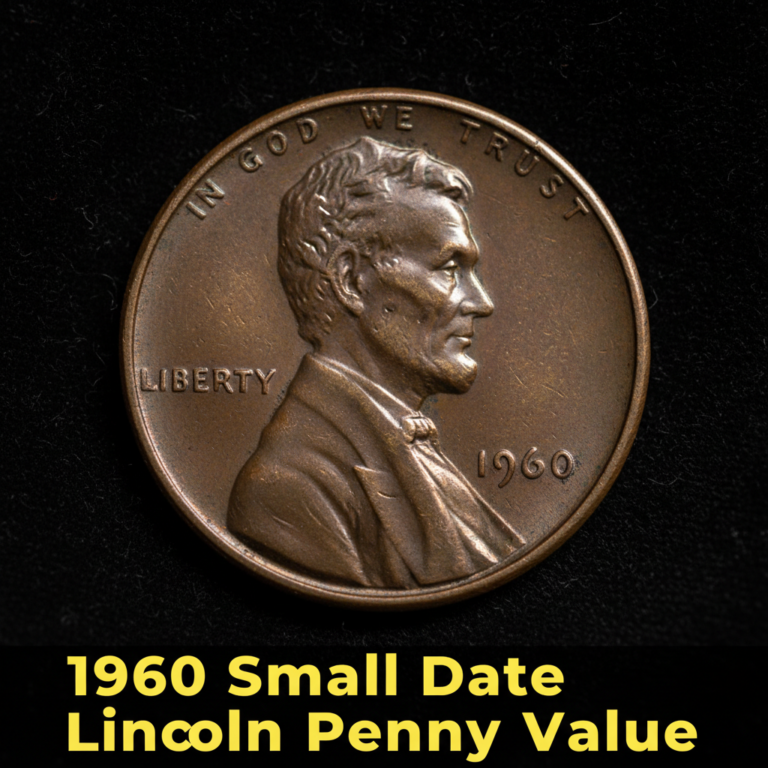
One of the lesser-known factors that dramatically affects the value of a 1959 Lincoln Penny is the color designation. Because these coins are made of 95% copper, they naturally tone over time from bright red to red-brown and eventually to brown. Professional grading services like PCGS and NGC apply one of three color designations:
– RD (Red): The coin retains at least 95% of its original red mint color. Most valuable.
– RB (Red-Brown): Between 5% and 95% of the surface is still red. Mid-range value.
– BN (Brown): The coin has fully toned to brown. Lowest value in uncirculated grades.
A 1959 Lincoln cent graded MS-65 Brown might sell for just $3–$5, while the same coin graded MS-65 Red could bring $30–$50 or more. That’s a massive difference for the exact same date and mint mark. This is why storage matters so much — coins kept away from humidity, air, and skin oils hold their red color far longer. For a full overview of how the 1959 penny’s value changes based on color and grade, dedicated coin value resources break down each tier clearly.
—
Tips for Identifying and Selling Your 1959 Lincoln Penny
If you think you might have a valuable example, the first thing to do is avoid cleaning it. Cleaning a coin — even gently — can destroy its grade and cut its value dramatically. Let the coin speak for itself in its natural state.
Next, take a clear photo and run it through CoinKnow, which can help you identify the coin, understand its features, and get a quick value estimate without needing any prior numismatic knowledge. It’s one of the most convenient tools for everyday people who stumble onto old coins.
For selling, your options include coin dealers, online platforms like eBay or Heritage Auctions, and local coin shows. High-grade coins (MS-65 and above) are almost always worth having professionally graded first — that PCGS or NGC certification sticker can double or triple what a buyer is willing to pay. Lower-grade circulated examples can usually be sold as-is in bulk lots or face value lots to coin dealers.
—
FAQ
Q: Is a 1959 Lincoln Penny with no mint mark rare?
A: Not in circulated grades — over 609 million were made at the Philadelphia Mint. However, high-grade examples graded MS-65 Red or better are genuinely scarce and worth real money to collectors.
Q: How do I know if my 1959 penny is uncirculated?
A: Look for full original luster under a good light, no wear on Lincoln’s cheekbone or the high points of the Memorial building on the reverse, and ideally some remaining red color. Apps like CoinKnow can also help you assess condition from a photo.
Q: Should I get my 1959 no mint mark penny professionally graded?
A: It depends on the condition. If it looks uncirculated and has strong red color, professional grading from PCGS or NGC is likely worth the fee. For circulated coins in average condition, professional grading costs would exceed the coin’s value.