1962-D Lincoln Penny Value Guide What It’s Worth and Why Collectors Care
The 1962-D Lincoln Penny is worth anywhere from a few cents in heavily worn condition to over $10 or more in uncirculated grades — and high-quality mint state examples can fetch $25 to $50 or beyond at auction. If you just found one of these coins in an old jar or your grandfather’s collection, you’re in the right place.
Whether you’re a first-time finder or a casual collector, using a free coin identifier app is one of the easiest ways to get a quick sense of what you’re holding before diving deeper into the details.
—
What Makes the 1962-D Lincoln Penny Special
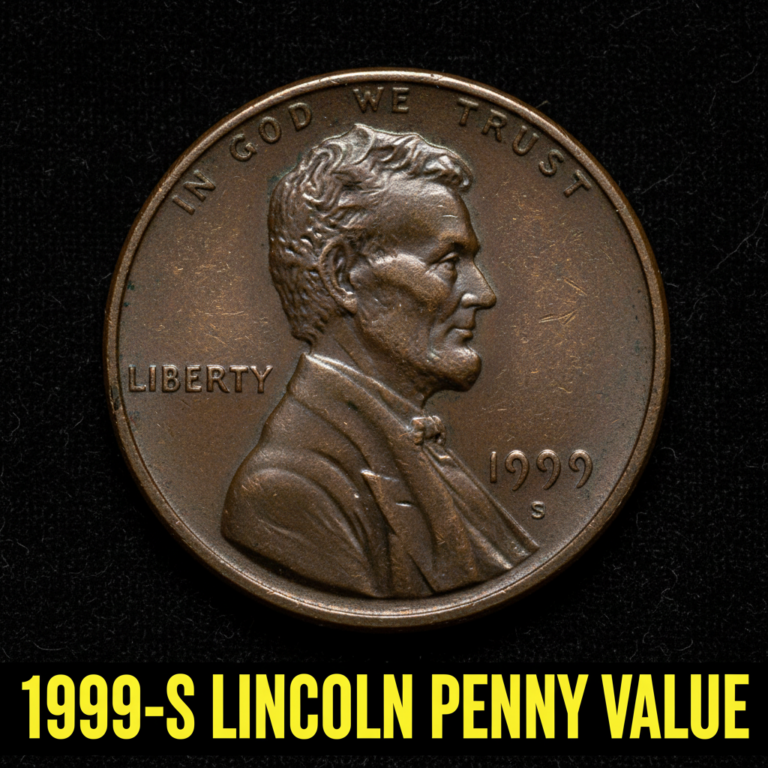
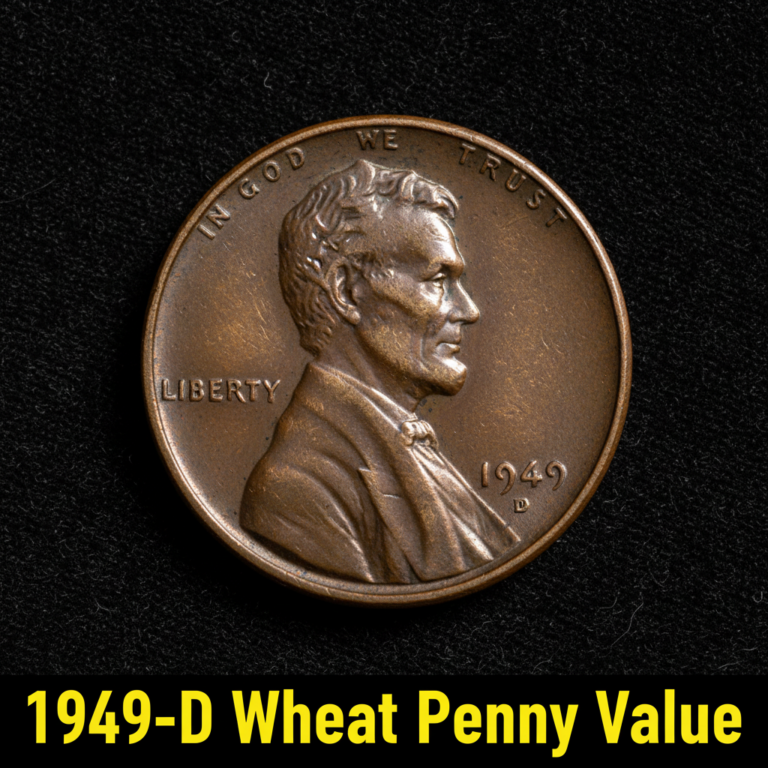
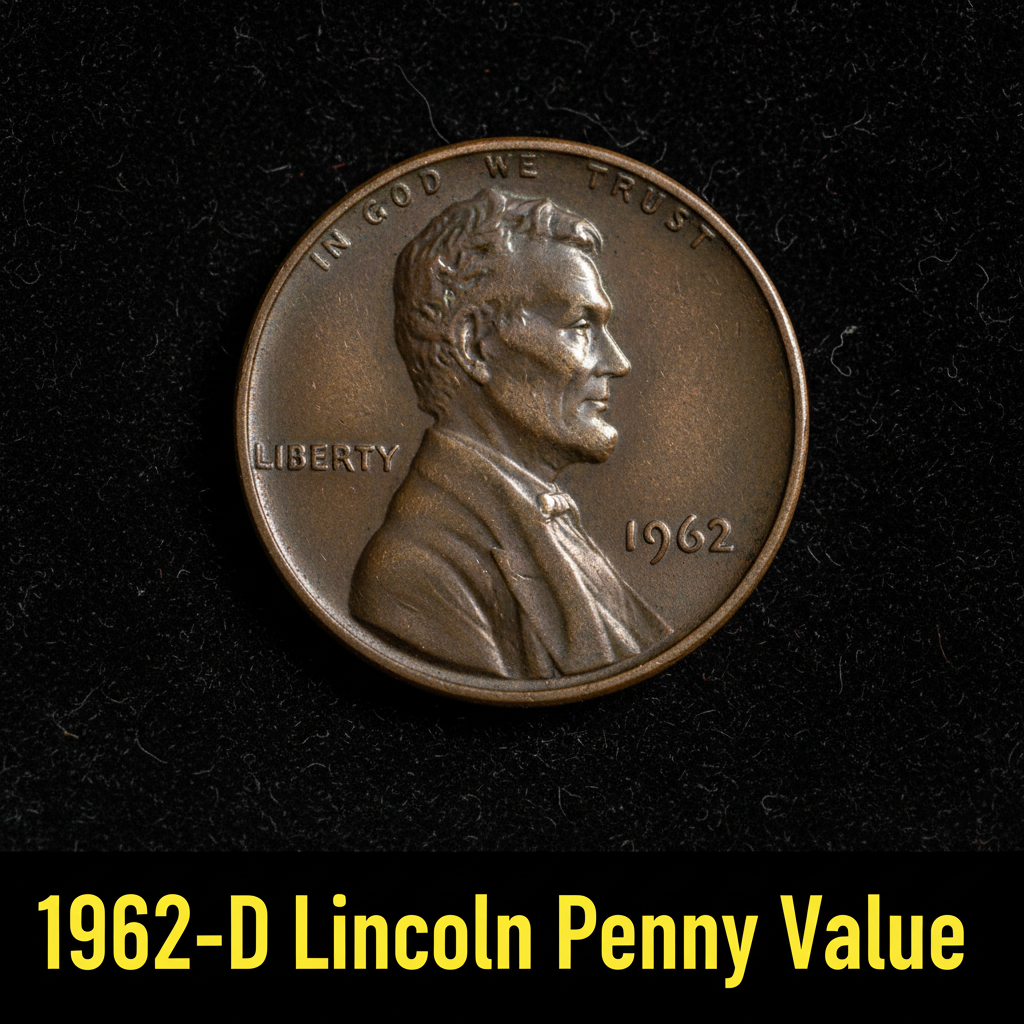
The 1962-D Lincoln Penny was struck at the Denver Mint, indicated by the small “D” mintmark you’ll find on the obverse (front) of the coin, just below the date. Denver was a high-production facility during this era, and the 1962-D had a mintage of over 1.7 billion coins — yes, billion. That massive production run means these pennies are still relatively common today, which keeps values modest for average circulated examples.
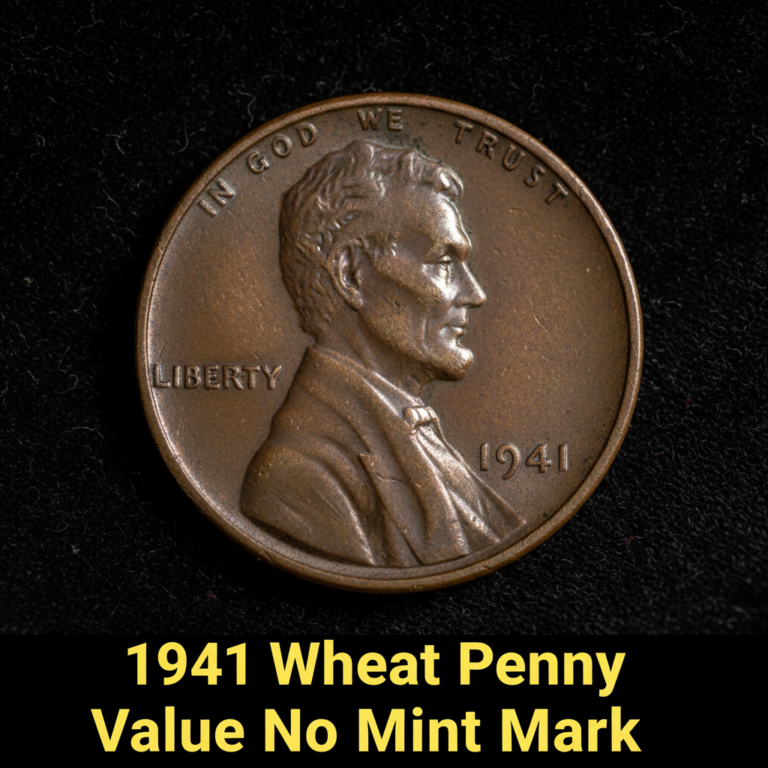
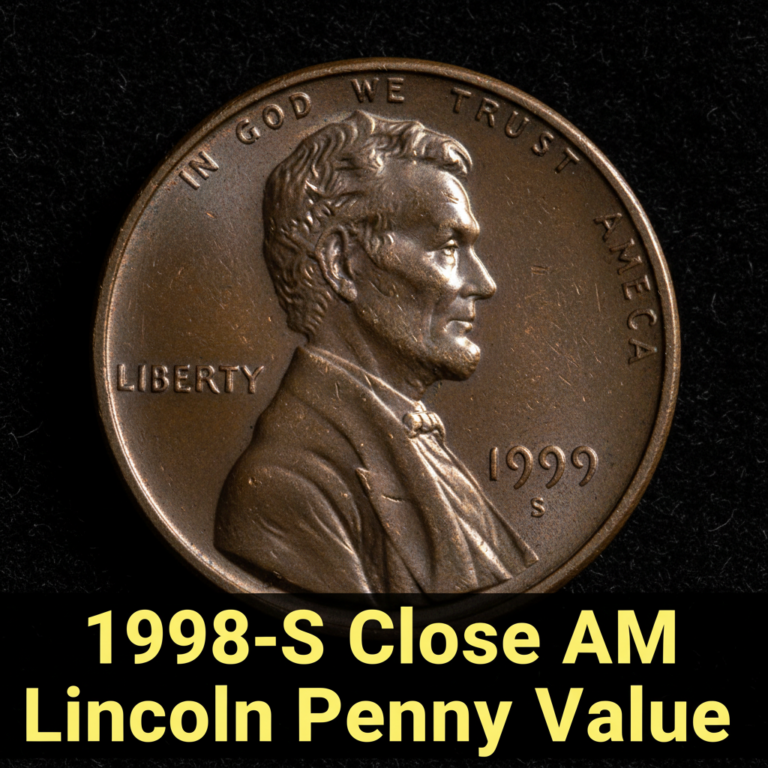
That said, don’t toss it aside just yet. The 1962-D is part of the beloved Lincoln Memorial series, which ran from 1959 through 2008. These coins carry both numismatic interest and sentimental value for many Americans. The coin features Victor David Brenner’s classic portrait of Abraham Lincoln on the front and the Lincoln Memorial on the reverse, designed by Frank Gasparro. For a coin you might find in pocket change, it has a genuinely rich history behind it.
The composition is 95% copper and 5% zinc/tin — the classic “wheat-era” style copper that collectors love. Copper coins from this period can develop beautiful toning over time, which sometimes adds to their appeal (and value).
—
1962-D Penny Values by Grade
Coin values are all about condition. A heavily worn 1962-D Lincoln Penny pulled from circulation might only be worth its face value or a cent or two above. But a gem uncirculated example — one that was never spent and still shows its original mint luster — is a different story entirely.
Here’s a breakdown of typical 1962-D Lincoln Penny values by grade:
| Grade | Description | Estimated Value |
|---|---|---|
| Good (G-4) | Heavy wear, flat details | $0.02 – $0.05 |
| Fine (F-12) | Moderate wear, visible details | $0.05 – $0.15 |
| Extremely Fine (EF-40) | Light wear on high points | $0.25 – $0.75 |
| Uncirculated (MS-63) | No wear, some bag marks | $1 – $5 |
| Gem Uncirculated (MS-65) | Strong luster, few marks | $10 – $25 |
| Superb Gem (MS-67+) | Near perfect, full red luster | $50 – $200+ |
For the most accurate and up-to-date figures, you can check detailed 1962-D Lincoln Penny price data by mint state grade to see exactly how the market is pricing these coins right now.
—
How Color Designation Affects the 1962-D Penny’s Worth
One thing many casual collectors don’t realize is that Lincoln pennies — especially copper ones — are graded not just by wear, but also by color. The three color designations are:
– RD (Red): The coin still has 95% or more of its original red copper luster. Most valuable.
– RB (Red-Brown): A mix of original red and natural brown toning. Mid-range value.
– BN (Brown): The coin has fully toned to a brown color. Least valuable in MS grades.
A 1962-D Lincoln Penny in MS-65 RD is worth significantly more than the same grade in MS-65 BN. If your coin still looks bright and coppery, that’s a great sign. CoinKnow is an excellent tool to help you understand these grading distinctions — just scan your coin and the app will guide you through what color and grade range it likely falls into.
—
Errors and Varieties That Can Make Your 1962-D Worth More
Here’s where things get exciting. Some 1962-D Lincoln Pennies are worth far more than face value because of minting errors. These mistakes happened during the production process and were never caught before the coins entered circulation. Common errors to look for include:
– Doubled Die Obverse (DDO): Look for doubling in the lettering or Lincoln’s portrait under magnification.
– Off-Center Strikes: Part of the design is missing because the blank wasn’t aligned properly in the press.
– Die Cracks or Cuds: Raised lines or blobs on the coin’s surface caused by a cracked die.
– Repunched Mintmark (RPM): The “D” mintmark was punched more than once, slightly off, leaving a doubled or shadowed look.
Error coins can be worth anywhere from $5 to several hundred dollars depending on the severity and appeal of the mistake. If you think you’ve spotted something unusual, CoinKnow can help you identify it quickly — its error recognition feature is one of the best around for everyday coin hunters.
You can also explore comprehensive 1962 penny value information including error varieties to see what specific anomalies have sold for in recent years.
—
FAQ
Q: Is a 1962-D penny rare?
A: Not particularly. With over 1.7 billion minted, the 1962-D Lincoln Penny is one of the more common coins from this era. However, coins in top mint state condition — especially MS-66 or higher with full red luster — are genuinely scarce and can command strong prices from collectors.
Q: How do I know if my 1962-D penny is in good condition?
A: Look for signs of wear on Lincoln’s cheek, the lettering, and the high points of the design. A coin with sharp details, no scratches, and a bright copper color is likely in better condition. For a more precise grade, try scanning it with CoinKnow, which uses image recognition to give you an estimated grade range from your phone.
Q: Where can I sell my 1962-D Lincoln Penny?
A: For common circulated examples, you probably won’t get much more than face value at a coin shop. But if your coin is uncirculated, has strong color, or shows an interesting error, consider listing it on eBay, visiting a local coin show, or submitting it to a grading service like PCGS or NGC before selling. Knowing your coin’s true grade and value beforehand always gives you an advantage.