1919 Buffalo Nickel Value No Mint Mark What Is It Worth Today
The 1919 Buffalo Nickel with no mint mark is worth anywhere from $1.50 in heavily worn condition to over $500 or more in high-grade mint state. If you just found one of these old nickels in a jar or an old coin collection, you might be sitting on more than pocket change.
When you’re holding a coin that’s over 100 years old, it’s natural to wonder what you’ve got. Using a free coin identifier app is one of the quickest ways to get a ballpark idea before diving deeper into your research. But if you really want accurate values, keep reading — we’ll break everything down for you in plain language.
What Is the 1919 Buffalo Nickel No Mint Mark?
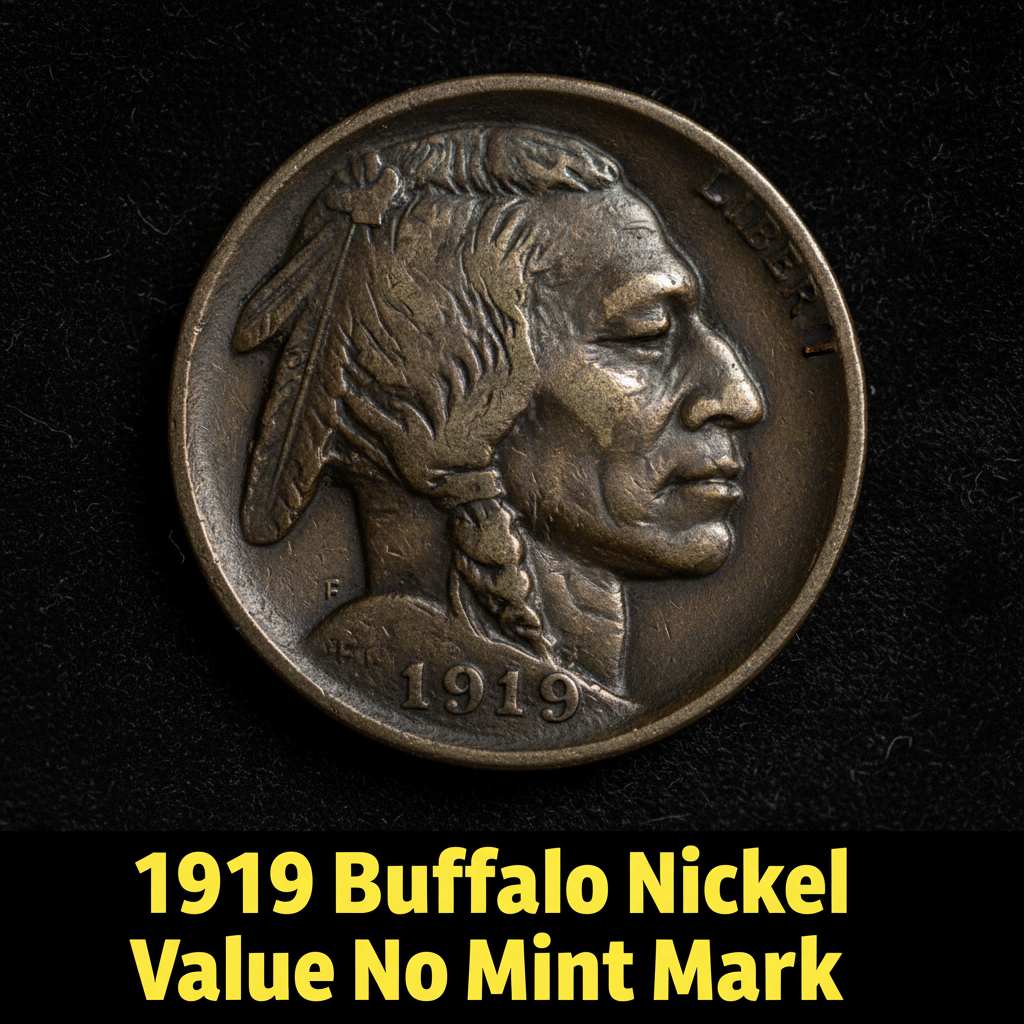
The 1919 Buffalo Nickel, also known as the Indian Head Nickel, was designed by James Earle Fraser and has been a favorite among coin collectors for decades. The “no mint mark” version means the coin was struck at the Philadelphia Mint, which was standard practice for that era — Philadelphia coins rarely carried a mint mark.
In 1919, the Philadelphia Mint produced over 60 million Buffalo Nickels, making this particular issue relatively common compared to its Denver and San Francisco counterparts. That said, “common” doesn’t mean worthless. The value of your coin depends almost entirely on its condition, also called its “grade.” A coin that has spent decades rattling around in someone’s pocket is going to look very different — and be worth far less — than one that was carefully stored from the day it was minted.
The design features a Native American portrait on the obverse and an American bison (popularly known as a buffalo) on the reverse. Fraser reportedly modeled the portrait from three different Native American chiefs, giving the coin a timeless and iconic appearance that collectors still love today.
How Much Is the 1919 No Mint Mark Buffalo Nickel Worth?
The value of the 1919 Buffalo Nickel no mint mark varies widely depending on its grade. Here’s a quick breakdown to give you a clearer picture:
| Grade | Description | Estimated Value |
|---|---|---|
| Good (G-4) | Heavily worn, design visible | $1.50 – $3 |
| Fine (F-12) | Moderate wear, details clear | $8 – $15 |
| Extremely Fine (EF-40) | Light wear on high points | $35 – $60 |
| About Uncirculated (AU-55) | Slight wear, mostly sharp | $75 – $120 |
| Mint State (MS-63) | No wear, some bag marks | $150 – $300 |
| Mint State (MS-65+) | Gem quality, near perfect | $500 – $1,000+ |
For the most up-to-date market figures, you can check current 1919 Buffalo Nickel prices across mint state grades to see how auction results are trending in real time.
What Affects the Value of Your 1919 Buffalo Nickel
Beyond the basic grade, a few other factors can push the value of your 1919 no mint mark Buffalo Nickel higher or lower. One of the most important is the sharpness of the date. Buffalo Nickels were notorious for weak strikes, and the date on these coins often wore off first. A coin with a full, readable date is always worth more than one where the date is partially faded.
Luster matters a lot in higher grades. Uncirculated coins with original mint luster — that soft, flowing sheen you can see when you tilt the coin under a light — are significantly more valuable than cleaned or polished examples. Cleaning a coin actually destroys value, so if you find one in decent shape, resist the urge to shine it up.
Eye appeal also plays a role. Two coins with the same technical grade can sell for very different prices if one simply looks better — richer color, sharper details, fewer distracting marks. CoinKnow is a great tool for collectors who want to understand these nuances, as it helps you compare your coin’s condition against grading standards with ease.
You can also explore a detailed breakdown of 1919 nickel values by grade and mint mark to better understand where your specific coin falls on the value scale.
Should You Get Your 1919 Buffalo Nickel Graded?
If your coin looks like it’s in uncirculated or near-uncirculated condition, professional grading by PCGS or NGC could be worth the investment. A coin slabbed (graded and encased) by one of these top services often sells for a premium because buyers trust the grade. For coins worth less than $50 in raw condition, however, the grading fees might outweigh the benefit.
For casual collectors or first-timers, CoinKnow offers an easy way to get a preliminary sense of what you have before committing to professional grading. Think of it as your first step before making any big decisions about selling or submitting your coin.
Frequently Asked Questions
Q: Is a 1919 Buffalo Nickel with no mint mark rare?
A: Not particularly rare — the Philadelphia Mint struck over 60 million of them in 1919. However, finding one in high grades (MS-63 and above) is genuinely uncommon, and those examples can be quite valuable.
Q: How do I know if my 1919 Buffalo Nickel has been cleaned?
A: Cleaned coins often look unnaturally shiny or have fine hairline scratches visible under a magnifying glass. They may also lack the natural toning that an old coin typically develops over time. Cleaning significantly reduces collector value.
Q: Where is the best place to sell a 1919 Buffalo Nickel?
A: eBay, coin shows, and local coin dealers are all good options. For higher-value coins, major auction houses like Heritage Auctions or Stack’s Bowers can help you reach serious collectors willing to pay top dollar. CoinKnow can also point you in the right direction by helping you understand your coin’s worth before you negotiate a sale price.