1893 Liberty Nickel Value What It’s Worth and Why Collectors Care
The 1893 Liberty Nickel is worth anywhere from $10 in heavily worn condition to over $1,500 or more in high mint state grades. If you found one of these old five-cent pieces tucked away in a coin jar or an estate collection, you’re holding a piece of genuine American history — and possibly some real money.
What Is the 1893 Liberty Nickel?
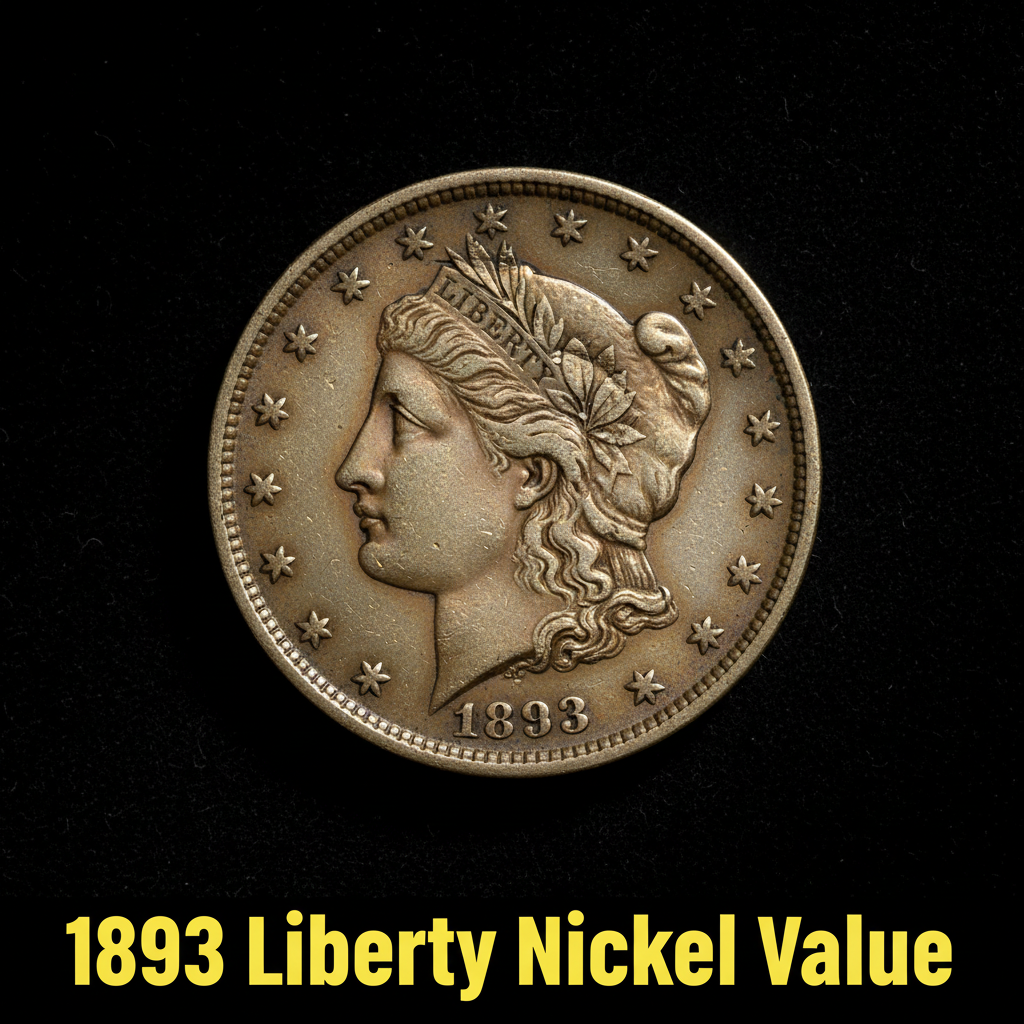
The 1893 Liberty Nickel, also called the “V Nickel” because of the Roman numeral V on its reverse, was struck at the Philadelphia Mint during a time when coin design was elegant and classic. Designed by Charles E. Barber, the obverse features Lady Liberty wearing a coronet, surrounded by 13 stars. The reverse is clean and simple — just a large “V” inside a wreath.
These coins were made of 75% copper and 25% nickel, giving them a distinctive silver-gray tone. If you’re not sure exactly what you’ve got, using a free coin identifier app can help you quickly confirm the coin type and year before you dig deeper into its value. Many everyday people are surprised to discover that an old nickel sitting in a drawer is worth far more than five cents.
The 1893 issue had a mintage of around 13,370,000 coins — relatively common for its era — but finding one in decent condition is another story entirely. Most survivors show heavy wear from circulation, which significantly affects their value.
How Condition Affects the 1893 Liberty Nickel Value
When it comes to coin values, condition is everything. Collectors grade coins on a scale from Poor (P-1) to Perfect Mint State (MS-70). A 1893 Liberty Nickel that’s been heavily circulated will show flat details, scratches, and a dull surface. These are the lowest-value examples. But coins that were saved early and never spent can still show sharp design details and original luster.
Here’s a general value breakdown based on grade:
| Grade | Condition Description | Estimated Value |
|---|---|---|
| G-4 (Good) | Heavy wear, design visible | $10 – $15 |
| VG-8 (Very Good) | Moderate wear, clearer details | $18 – $25 |
| F-12 (Fine) | Light to moderate wear | $30 – $45 |
| EF-40 (Extremely Fine) | Light wear on high points | $80 – $120 |
| MS-63 (Mint State) | Uncirculated, minor marks | $350 – $600 |
| MS-65 (Gem Mint State) | Exceptional luster and strike | $1,000 – $1,800+ |
For the most up-to-date auction results and certified coin prices, you can explore detailed 1893 Liberty Nickel mint state price data by grade to see what collectors are actually paying today.
Key Details That Make Some 1893 Nickels More Valuable
Beyond grade, a few other factors can push the 1893 Liberty Nickel value higher or lower. Strike quality matters — some coins from this era were weakly struck, leaving Liberty’s hair and the wreath looking soft even on coins that were never circulated. A sharp, full strike is always more desirable to collectors.
Eye appeal is another important factor. A coin with original, unblemished surfaces and natural toning is often worth more than one that has been cleaned. Cleaning removes the original skin of the coin and leaves tiny hairline scratches visible under magnification. Even if a cleaned coin looks bright and shiny, most collectors will discount it heavily.
Proofs are another category worth knowing about. The Philadelphia Mint struck approximately 2,195 proof examples of the 1893 Liberty Nickel for collectors. These coins have mirrored fields and frosted devices and are worth significantly more than their circulated counterparts — often $600 or more even in lower proof grades.
CoinKnow is a popular tool among hobbyist collectors for tracking exactly these kinds of nuances, helping you identify whether what you have is a regular strike, a proof, or even a cleaned example that’s been artificially enhanced.
Comparing the 1893 Liberty Nickel to Other Coins of the Era
It can be helpful to see how the 1893 Liberty Nickel stacks up against other coins from the same year. The 1893 dime, for instance, is another popular collectible from this period, and if you’re curious about how the 1893 dime value compares to other coins of the same era, it’s worth reading up — you might find you’re sitting on more than one valuable old coin.
Generally speaking, the Liberty Nickel series is more accessible to beginning collectors than some higher-denomination coins, making the 1893 issue a great entry point into 19th-century U.S. coinage. It’s common enough to find in circulated grades, but scarce enough in mint state to make the hunt genuinely exciting.
Apps like CoinKnow make it easy to scan, identify, and estimate values on the spot — a real advantage if you’re sorting through a coin collection and want quick answers without spending hours on research.
Tips for Selling or Getting Your 1893 Liberty Nickel Appraised
If you believe your coin is in extra fine or better condition, consider getting it professionally graded by PCGS or NGC before selling. Certified coins consistently sell for more at auction because buyers can trust the grade. Submission fees typically run $30–$50 per coin, so it only makes sense for coins worth $100 or more.
For lower-grade examples, selling to a local coin dealer or through online platforms like eBay is usually your best bet. Always compare recent sold listings — not just asking prices — to know what buyers are actually willing to pay.
CoinKnow can give you a solid ballpark before you walk into any dealer’s shop, which means you’re less likely to leave money on the table.
—
FAQ
Q: Is the 1893 Liberty Nickel rare?
A: The 1893 Liberty Nickel had a mintage of over 13 million, so it’s not rare in circulated grades. However, finding one in uncirculated or gem mint state condition is quite difficult, and those examples are genuinely scarce and valuable.
Q: How can I tell if my 1893 Liberty Nickel has been cleaned?
A: Cleaned coins often look unnaturally bright and show fine parallel scratches under a magnifying glass. Natural, uncleaned coins will have a more subdued, even tone across the surface. If in doubt, a professional grader can confirm it.
Q: What’s the most valuable 1893 Liberty Nickel ever sold?
A: Top-tier examples in MS-67 or gem proof grades have sold at major auctions for several thousand dollars. The exact record depends on the specific coin and auction house, but pristine examples consistently attract strong collector demand.