1989 Lincoln Penny Value No Mint Mark What It’s Really Worth Today
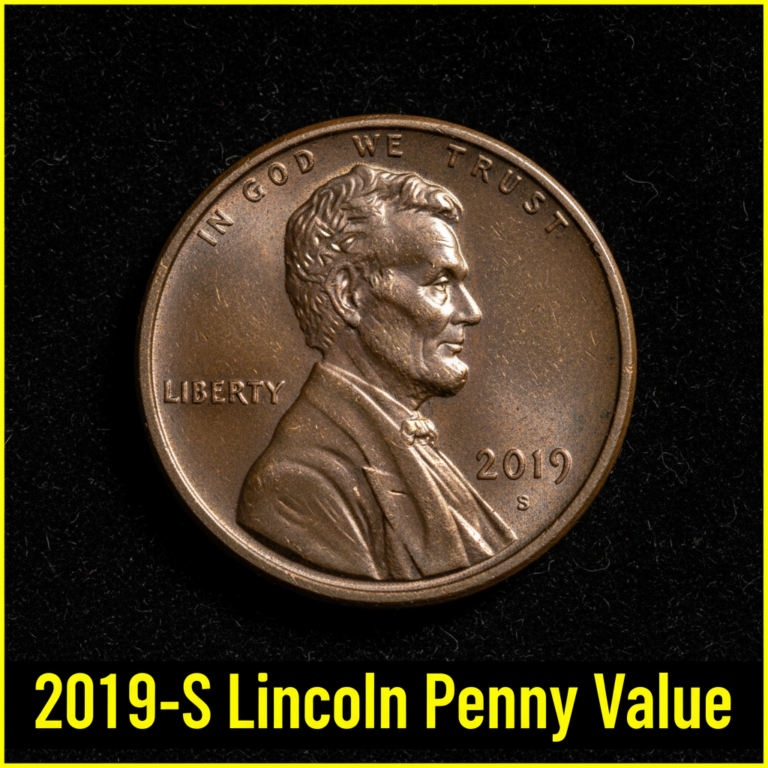
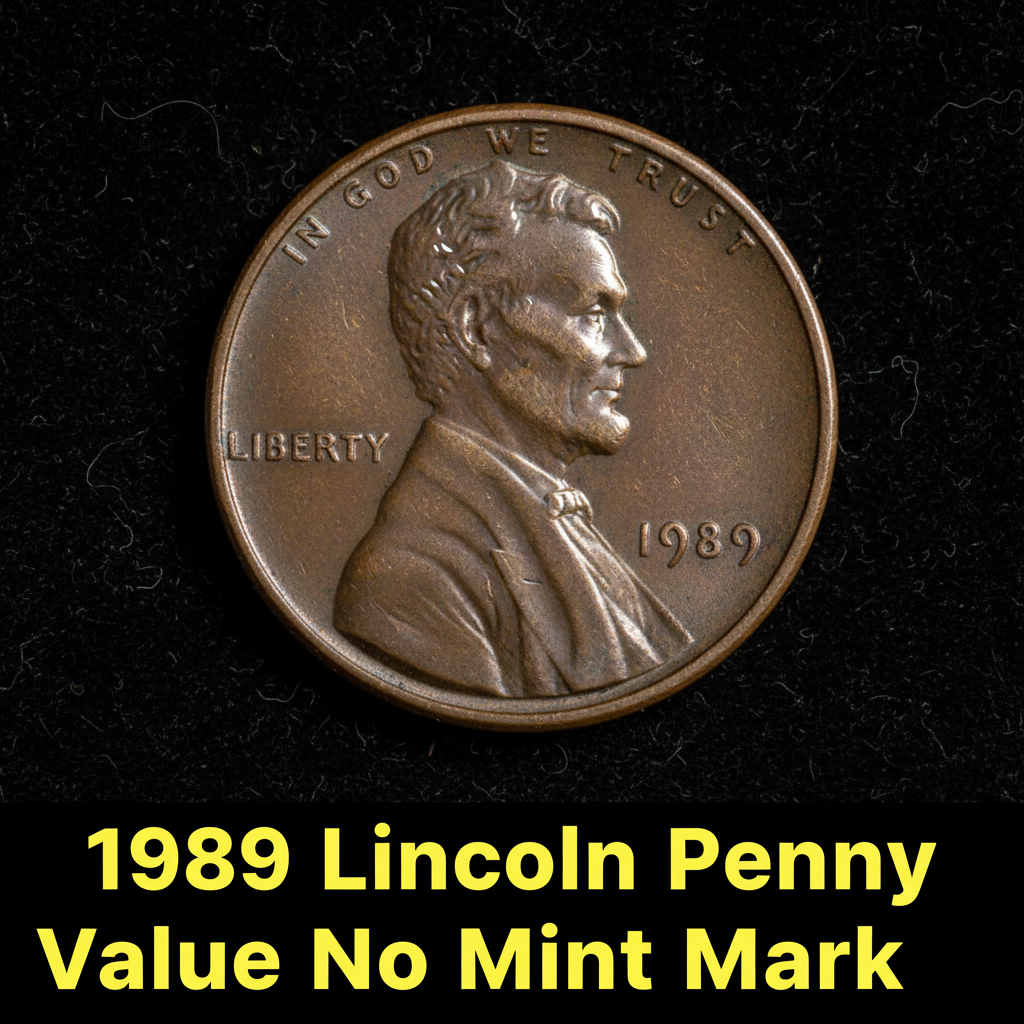
The 1989 Lincoln penny with no mint mark is worth anywhere from face value in circulated condition to around $1–$3 in well-preserved uncirculated grades, with top-tier certified specimens occasionally reaching $10 or more. If you’ve found one in a jar of old coins, you’re in the right place to learn exactly what you’ve got.
Most people don’t realize how much variety exists within a single year of penny production. The 1989 penny without a mint mark was struck at the Philadelphia Mint — and yes, Philadelphia coins carry no mint mark at all, which is perfectly normal. Before you toss it back into the coin jar, it’s worth taking a closer look. Using a free coin identifier app can help you quickly assess the grade and condition of your coin, giving you a better starting point before you talk to a dealer or consult a price guide.
What Makes the 1989 Lincoln Penny With No Mint Mark Special
The 1989 Lincoln penny with no mint mark is a product of the Philadelphia Mint, one of the busiest coin-producing facilities in the United States. In 1989, Philadelphia struck over 7.2 billion Lincoln cents — yes, billion with a “b.” Because so many were made, most circulated examples are worth only face value, or maybe a few cents at best. However, coins in pristine, uncirculated condition are a different story entirely.
What collectors really care about is eye appeal and grade. A coin that never touched a pocket, never got scratched, and still has its original red luster can command a small but real premium. The Lincoln cent series runs from 1909 to today, and even “common” date coins like the 1989 no mint mark penny have a following among registry set collectors who want every year in the highest possible grade. If your coin looks like it just rolled off the press, it’s worth getting a second opinion before spending it.
1989 No Mint Mark Penny Value by Grade
Condition is everything when it comes to coin values. Here’s a breakdown of what the 1989 Lincoln penny with no mint mark is typically worth at different grade levels:
| Grade | Condition Description | Estimated Value |
|---|---|---|
| Good (G-4) | Heavy wear, details visible | Face value ($0.01) |
| Fine (F-12) | Moderate wear, clear lettering | $0.01–$0.05 |
| Extremely Fine (EF-40) | Light wear on high points | $0.05–$0.25 |
| Mint State 63 (MS-63) | Uncirculated, some marks | $0.50–$1.50 |
| Mint State 65 (MS-65) | Gem uncirculated, red luster | $2–$5 |
| Mint State 67+ (MS-67+) | Superb gem, flawless surfaces | $10–$50+ |
For a closer look at certified auction results and population data, you can check out detailed 1989 Lincoln penny MS grade pricing and sales records to see what real buyers have actually paid.
How to Tell If Your 1989 Penny Might Be Worth More
Not every 1989 penny is created equal. There are a few things to check that could bump up the value significantly. First, look at the color. Pennies graded “RD” (red) are worth more than “RB” (red-brown) or “BN” (brown) examples, because that original copper-zinc surface is what collectors prize most.
Second, check for any doubling on the lettering, date, or Lincoln’s portrait. Doubled die errors on Lincoln cents are well-documented and can add real money to an otherwise ordinary coin. A loupe or magnifying glass helps here — or again, a good coin scanning app like CoinKnow can flag potential errors before you miss something important.
Third, look for any unusual die breaks or off-center strikes. A coin that’s clearly off-center by 20% or more can be worth $5–$20 even in worn grades. These errors happened at the mint and made it past quality control, making them genuinely scarce finds.
The 1989 Penny in Today’s Collector Market
Modern Lincoln cents, including the 1989 no mint mark penny, have a surprisingly active collector base. Registry set collectors who are building complete sets in the highest grades will pay strong premiums for certified examples graded MS-67 red or better. Because billions were minted, it might seem like finding a gem example would be easy — but most were immediately circulated, handled, or lost to the elements.
If you want a comprehensive look at the full value breakdown of the 1989 penny across all mint marks and conditions, there are excellent online guides that break it all down by grade, color designation, and error variety.
Apps like CoinKnow have become popular tools for everyday collectors who don’t want to pay for a professional appraisal on every coin they find. If you’re going through grandma’s change jar or a box of old pennies, it’s the kind of tool that can help you sort the keepers from the spenders quickly. CoinKnow uses image recognition to give you an instant grade estimate and market value, which is especially handy for common date coins like this one where condition is the whole game.
Frequently Asked Questions
Q: Is the 1989 penny with no mint mark rare?
A: No, it is not rare. Over 7.2 billion were minted at the Philadelphia Mint in 1989, making it one of the most common Lincoln cents in existence. Most are worth only face value unless they are in exceptional uncirculated condition.
Q: Why does my 1989 penny have no mint mark — is it a mistake?
A: Not at all. Coins struck at the Philadelphia Mint traditionally do not carry a mint mark, and this has been standard practice for most of American coinage history. The absence of a mint mark simply tells you the coin was made in Philadelphia.
Q: Where is the best place to sell a high-grade 1989 Lincoln penny?
A: For a coin graded MS-65 or higher, your best options are online auction platforms like eBay, Heritage Auctions, or Great Collections, where collector buyers compete for top-grade examples. For lower-grade examples, a local coin dealer is your most practical option. Using CoinKnow to get a baseline value estimate before you sell is always a smart first step.