1986 Lincoln Penny Value No Mint Mark What It’s Worth and Why It Matters
The 1986 Lincoln penny with no mint mark is worth anywhere from 1 cent in heavily worn condition to around $10 or more in pristine uncirculated grades, with rare high-grade examples fetching even higher prices at auction. Most of these coins you find in a coin jar or old drawer fall somewhere in between, and knowing exactly where yours lands can be surprisingly rewarding.
If you dug through a piggy bank and found one of these older cents, you’re not alone — millions of Americans discover old Lincoln pennies every day and wonder if they’ve struck gold. To get a quick identification on your coin, you can try using a free coin identifier app right from your smartphone before spending a dime on a professional appraisal. Apps like CoinKnow can scan your coin and give you an instant estimate of its grade and approximate value, which is a great starting point for any beginner collector.
—
What the No Mint Mark on a 1986 Penny Means
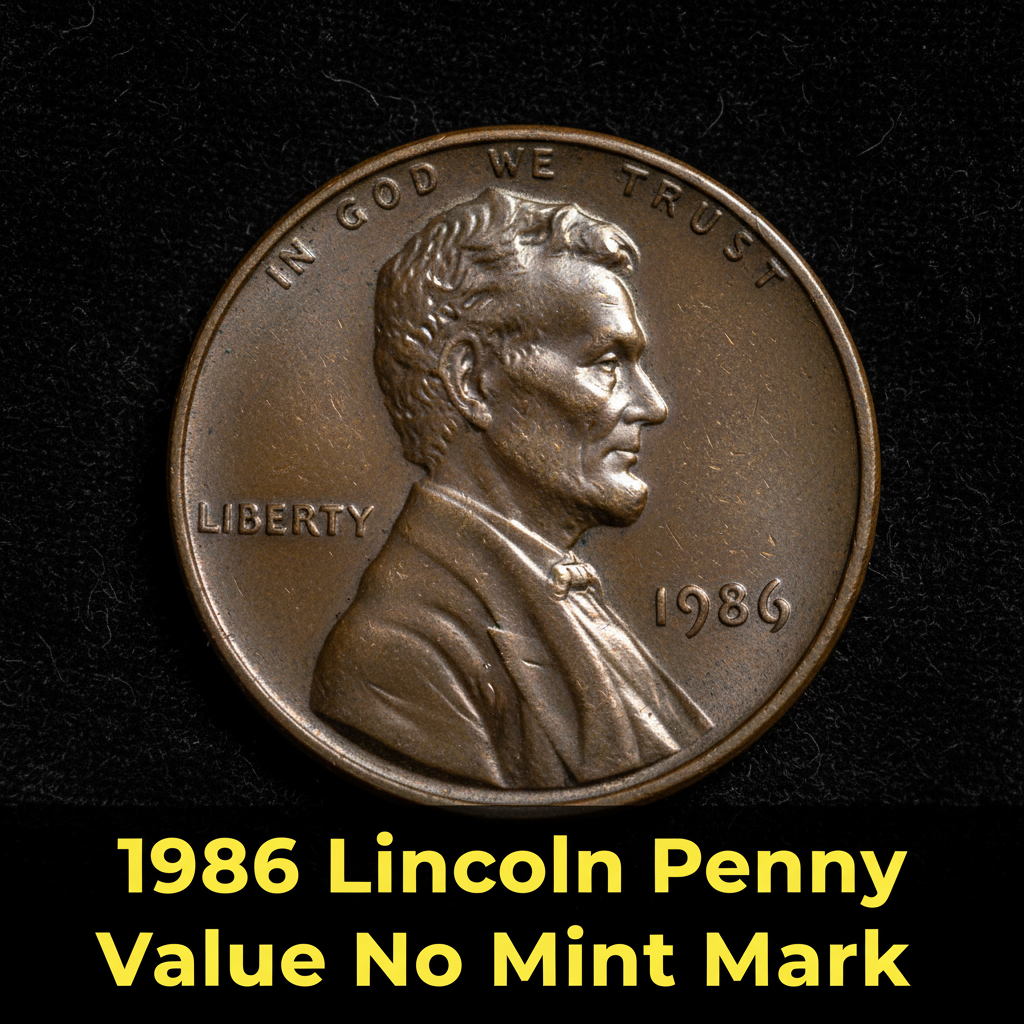
When you flip your 1986 Lincoln penny over and look at the obverse — that’s the heads side with Lincoln’s portrait — you’ll notice a small letter beneath the date on most coins. On a coin with no mint mark, that space is empty. That tells you this penny was struck at the Philadelphia Mint, which historically did not use a “P” mint mark on one-cent coins during this era.
The Philadelphia Mint produced over 4.4 billion Lincoln cents in 1986. That’s an enormous mintage number, and it’s the main reason why these coins are generally not considered rare. High supply almost always keeps values modest for circulated examples. However, coin collectors care deeply about condition, and a 1986 penny that never touched a pocket or cash drawer can still command respectable prices among enthusiasts who chase high-grade modern coins.
Understanding the mint mark is your first step toward knowing what you have. No mint mark simply means Philadelphia — nothing mysterious, but still a meaningful piece of U.S. minting history sitting right in your hand.
—
1986 Lincoln Penny Value by Condition
Condition, or grade, is everything when it comes to determining what your 1986 penny no mint mark is actually worth. Coin graders use a scale from 1 to 70, where 1 is barely identifiable and 70 is a perfect, flawless coin. Here’s a quick breakdown of typical values:
| Grade | Condition Description | Estimated Value |
|---|---|---|
| Good (G-4) | Heavy wear, details faded | Face value (~$0.01) |
| Fine (F-12) | Moderate wear, some detail | $0.05 – $0.25 |
| Extremely Fine (EF-40) | Light wear on high points | $0.50 – $1.00 |
| Mint State 63 (MS-63) | Uncirculated, minor marks | $1.00 – $3.00 |
| Mint State 67 (MS-67) | Near perfect, gem quality | $10.00 – $50.00+ |
For a closer look at graded 1986 Lincoln penny prices across mint state red designations, you’ll find that the red (RD) color designation adds notable value compared to brown or red-brown examples. A coin’s original copper luster matters a great deal in this series.
—
Errors and Varieties That Can Boost the 1986 Penny Value
Not every 1986 penny no mint mark is worth just a cent. Some have mint errors that make them genuinely special. The most common errors to look for include doubled dies, where part of the design appears slightly doubled or ghosted when viewed under a loupe. Off-center strikes are another possibility — if Lincoln’s portrait is shifted significantly away from center, you could have a coin worth $10 to $50 or more depending on how dramatic the shift is.
Die cracks and lamination errors also appear occasionally on 1986 cents. These happen during the manufacturing process and can add modest premiums for collectors who specialize in error coins. Before you dismiss your old penny as ordinary, spend a few minutes examining the date, the lettering in LIBERTY, and Lincoln’s facial features under magnification.
CoinKnow is especially useful here because it helps you photograph your coin clearly and compare it against known error varieties in its database. Many people have unknowingly spent error coins worth far more than face value simply because they didn’t know what to look for.
—
How to Tell If Your 1986 Penny Is Worth Keeping
So you’ve found a 1986 Lincoln penny with no mint mark — what should you actually do with it? First, don’t clean it. Cleaning reduces a coin’s value dramatically in the eyes of collectors and graders. Even a gentle wipe with a cloth can leave micro-scratches that lower the grade.
Next, hold the coin by its edges and examine it in natural light. Look for original reddish-orange luster that indicates the coin was never circulated. If it still has that warm copper glow without dark spots or heavy toning, it’s likely in better condition than the average pocket change coin.
For a complete breakdown of what your 1986 penny is worth based on grade and mint mark, you’ll find detailed pricing charts that make it easy to match your coin to a specific value range. Between that resource and a tool like CoinKnow, you’ll have everything you need to make a smart decision about whether to spend it or save it.
—
FAQ
Q: Is a 1986 penny with no mint mark rare?
A: No, it’s not considered rare. The Philadelphia Mint struck over 4.4 billion of these cents in 1986, making them one of the most common modern Lincoln pennies in circulation. However, gems in MS-67 or higher grades can be genuinely difficult to find and worth real money to the right collector.
Q: What makes some 1986 pennies worth more than face value?
A: Grade and errors are the two biggest factors. An uncirculated 1986 penny with original red luster in MS-65 or better grade is worth more than a worn one. Coins with striking errors like doubled dies, off-center strikes, or lamination flaws can also carry significant premiums beyond their standard value.
Q: How can I find out the exact value of my 1986 penny at home?
A: Start by examining the coin’s condition carefully under good lighting or a magnifying glass. Then compare it to grading photos online. You can also use CoinKnow to get a quick scan-based estimate, or check a pricing database that breaks down values by grade. For most circulated 1986 pennies, the honest answer is face value — but it’s always worth checking before you spend it.