1986-D Lincoln Penny Value What It’s Really Worth and Why Some Are Worth More Than Face Value
The 1986-D Lincoln Penny is worth anywhere from a few cents in circulated condition to $5 or more in pristine mint state, with top-grade examples occasionally selling for $20 and beyond. Most people find these coins in pocket change and wonder if they’ve struck it rich — here’s what you need to know.
What Makes the 1986-D Lincoln Penny Special
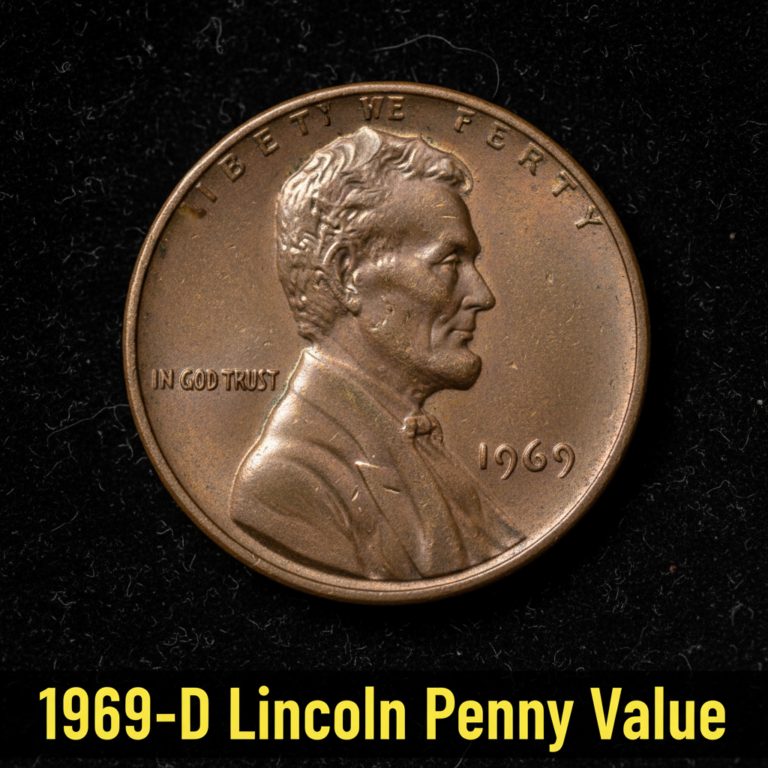
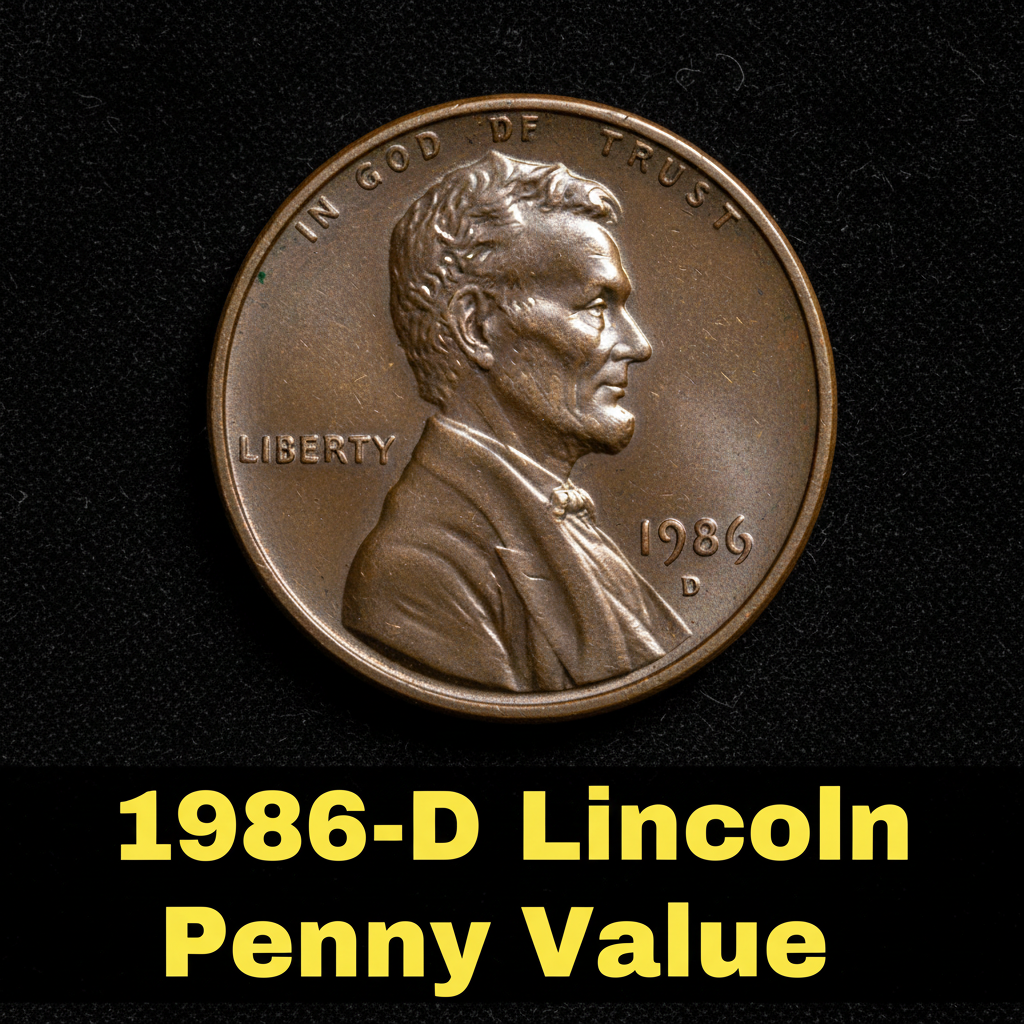
The “D” mintmark on this penny tells you it was struck at the Denver Mint in 1986. That single letter can make a big difference when it comes to value. In 1986, the Denver Mint produced over 4.4 billion Lincoln cents — yes, billion with a “B” — making this a high-mintage coin. High production numbers generally keep values modest for circulated examples, but that doesn’t mean every 1986-D penny is worth only one cent.
If you’ve recently found one of these coins and want a quick identification, using a free coin identifier app can help you confirm the mintmark, date, and basic grade right from your phone. Technology has made it incredibly easy for everyday collectors to get a head start before consulting a dealer.
The coin features Victor David Brenner’s iconic portrait of Abraham Lincoln on the obverse and the Lincoln Memorial reverse design, which was used from 1959 through 2008. These are familiar, beloved coins — and in high grades, surprisingly collectible.
Understanding the 1986-D Penny Value by Grade
Coin value is almost entirely determined by condition, also called “grade.” A heavily worn 1986-D penny with scratches and faded details might be worth nothing more than face value. But one that was saved from circulation right away, or came straight from a mint roll, can be worth significantly more.
Here’s a general value breakdown for the 1986-D Lincoln Penny:
| Grade | Condition Description | Estimated Value |
|---|---|---|
| Good (G-4) | Heavy wear, outlines visible | $0.01 – $0.05 |
| Fine (F-12) | Moderate wear, details clear | $0.05 – $0.25 |
| Extremely Fine (EF-40) | Light wear on high points | $0.25 – $1.00 |
| Mint State (MS-63) | Uncirculated, some bag marks | $1.00 – $5.00 |
| Gem Mint State (MS-65+) | Near perfect, full red luster | $5.00 – $25.00+ |
For a deeper look at certified 1986-D Lincoln Penny prices in MS Red grades, auction records and professional population data offer the clearest picture of where top-end examples have sold.
The Role of Color Designations in 1986-D Penny Value
One detail many casual collectors overlook is the color designation assigned to copper cents. Even though Lincoln pennies from 1986 are made mostly of zinc with a thin copper coating, the surface color still matters for grading purposes.
Coins are classified as:
– Red (RD): Retains 95% or more of original mint luster. Most valuable.
– Red-Brown (RB): 5% to 95% of the original red color remains.
– Brown (BN): Less than 5% original red. Most common in circulated coins.
A 1986-D Lincoln Penny graded MS-65 Red is worth considerably more than the same coin graded MS-65 Brown. If you’re holding onto uncirculated examples, proper storage in acid-free flips or holders can preserve that red color and protect the coin’s long-term value.
Errors and Varieties That Can Increase Value
Most 1986-D pennies are worth face value, but error coins are a different story. Minting mistakes can turn an ordinary cent into a coin worth dozens or even hundreds of dollars. Here are some errors to look for:
– Doubled Die Obverse (DDO): Look for doubling in Lincoln’s eye, “LIBERTY,” or “IN GOD WE TRUST” under magnification.
– Off-Center Strike: Part of the design is missing because the planchet shifted during striking. More dramatic off-centers are worth more.
– Die Cap or Brockage Errors: Rare but dramatic, these errors are instantly noticeable.
– Wrong Planchet Errors: Extremely rare cases where a cent design was struck on a dime planchet, for example.
If you suspect you have an error coin, don’t clean it. Cleaning destroys value. Instead, have it evaluated by a professional grading service like PCGS or NGC.
You can also check a detailed breakdown of 1986 Lincoln Penny values including error varieties to see how different types of errors affect the market price.
How to Get the Most Accurate Value for Your 1986-D Penny
If you want to know exactly what your coin is worth, here are the best steps to take:
1. Assess the condition honestly. Compare your coin to grading images online.
2. Check recent auction sales on platforms like eBay (sold listings only) or major auction houses.
3. Use a coin app. CoinKnow is one of the top tools for identifying and valuing coins quickly. Just snap a photo, and CoinKnow gives you an instant estimate based on real market data — perfect if you’re sorting through a collection or inherited coins and need fast answers.
4. Submit valuable coins for grading. If you believe you have an MS-65 Red or an error coin, a PCGS or NGC slab will give you a certified grade that maximizes resale potential.
CoinKnow also helps you track your collection over time, so you always know the current market value of what you own.
—
Frequently Asked Questions
Q: Is a 1986-D penny worth keeping?
A: Most circulated 1986-D pennies are worth face value, but uncirculated examples in Red condition and any confirmed error coins are definitely worth holding onto. Check the coin’s surface carefully under good lighting before spending it.
Q: How do I know if my 1986-D penny is uncirculated?
A: An uncirculated coin will have no wear on the high points of Lincoln’s cheek and hair. It should also show some degree of original mint luster or “shine.” Even minor wear drops a coin out of the Mint State category.
Q: Where is the “D” mintmark on a 1986 penny?
A: On Lincoln cents from 1986, the mintmark appears on the obverse (front) of the coin, just below the date on the right side. A small “D” confirms it was struck at the Denver Mint.