1958 Wheat Penny Value No Mint Mark What It’s Worth and Why Collectors Care
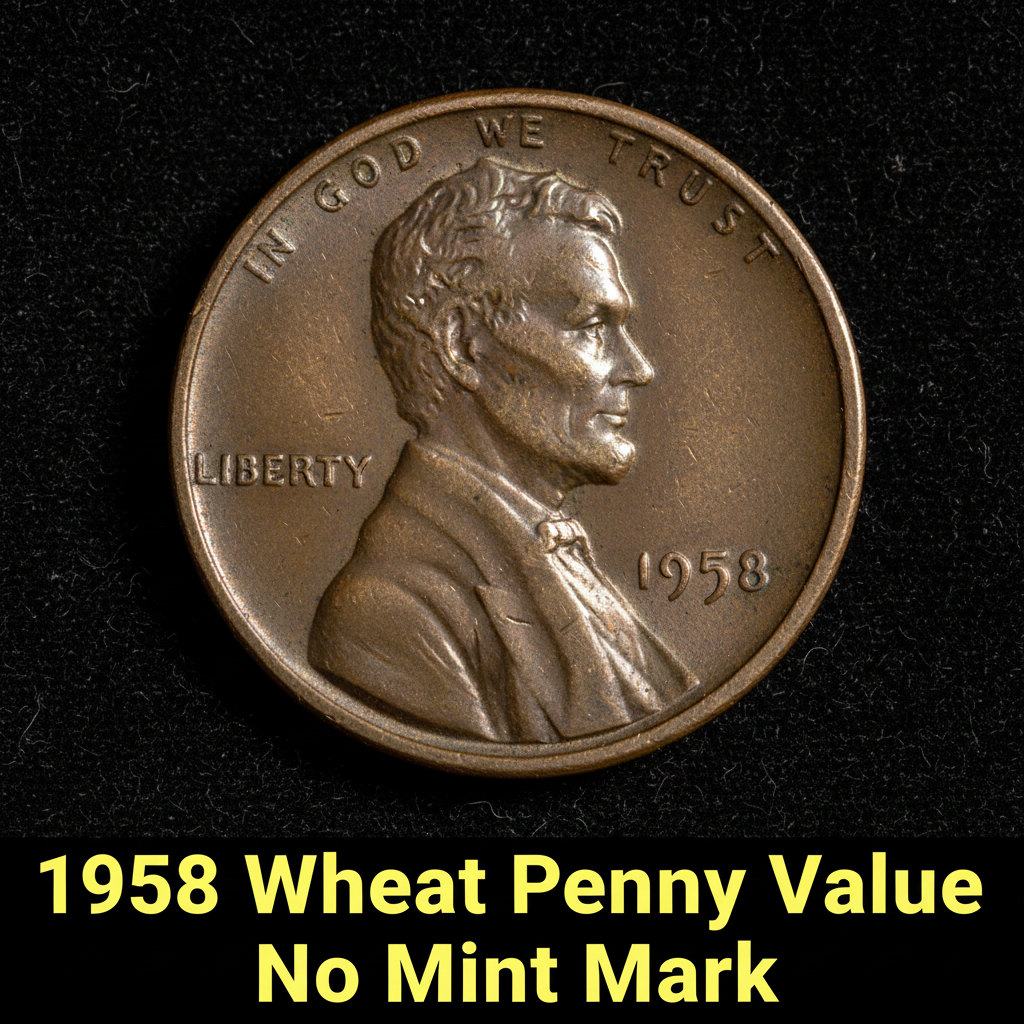
The 1958 Wheat Penny with no mint mark is worth anywhere from $0.10 in heavily worn condition to over $25 or more in mint state, with well-preserved examples grading MS-65 Red sometimes selling for $50 and above. If you just dug one of these out of an old coin jar, you’re in the right place to find out what you’ve got.
The 1958 Philadelphia Wheat Penny is one of the last of its kind. The Lincoln Wheat Cent series ran from 1909 to 1958, making the 1958-P one of the final coins ever struck with the classic wheat stalks design on the reverse. No mint mark on the coin means it was produced at the Philadelphia Mint, which was the main production facility and struck the highest number of coins that year — over 252 million of them. That’s a big number, which is part of why most circulated examples aren’t worth a fortune. But don’t toss it aside just yet. Condition is everything in coin collecting, and even a common-date coin in exceptional shape can surprise you. If you’re not sure how to read your coin’s condition, using a free coin identifier app on your phone is a quick and easy way to get a baseline before you do any more research.
How Much Is the 1958 Wheat Penny No Mint Mark Actually Worth?
The value of your 1958 Wheat Penny with no mint mark depends almost entirely on its grade — meaning how worn or preserved it is. A coin that’s been in circulation for decades will show flat details, a dull surface, and possibly some scratches or discoloration. Those are worth just a few cents above face value, mostly to collectors filling date sets on a budget. As you move up the grade scale toward uncirculated (also called mint state) condition, value increases quickly. Red-toned mint state examples — coins that still have their original copper luster — command the highest premiums. For a detailed breakdown of 1958 Wheat Penny prices in MS Red grades, it’s worth reviewing certified auction results to see what the market is actually paying.
| Grade | Condition Description | Estimated Value |
|---|---|---|
| Good (G-4) | Heavy wear, flat details | $0.10 – $0.25 |
| Fine (F-12) | Moderate wear, major features clear | $0.25 – $0.50 |
| Extremely Fine (EF-40) | Light wear on high points only | $1 – $3 |
| About Uncirculated (AU-55) | Slight wear, most luster present | $3 – $6 |
| MS-63 Red Brown | Uncirculated, mixed luster tone | $8 – $15 |
| MS-65 Red | Gem uncirculated, full red luster | $20 – $55+ |
What Makes the 1958 Wheat Penny Special to Collectors
Even though the 1958 Philadelphia Wheat Penny isn’t rare by mintage numbers, it carries real sentimental and historical weight. It was the last year the Wheat Cent design was officially issued for circulation before the Lincoln Memorial reverse took over in 1959. That makes it a natural endpoint for anyone building a complete Wheat Penny date set — and collectors always want that final piece. Beyond that, finding a 1958 Wheat Penny in true uncirculated condition is harder than you’d think. Most of these coins were spent and circulated heavily through the late 1950s and 1960s. Gems that survived in rolls or bank bags are out there, but they’re not common. If you want to explore the full range of 1958 penny value data across all grades and mint marks, a dedicated coin value resource will give you a clearer picture than a quick guess.
How to Tell If Your 1958 No Mint Mark Penny Is Worth More
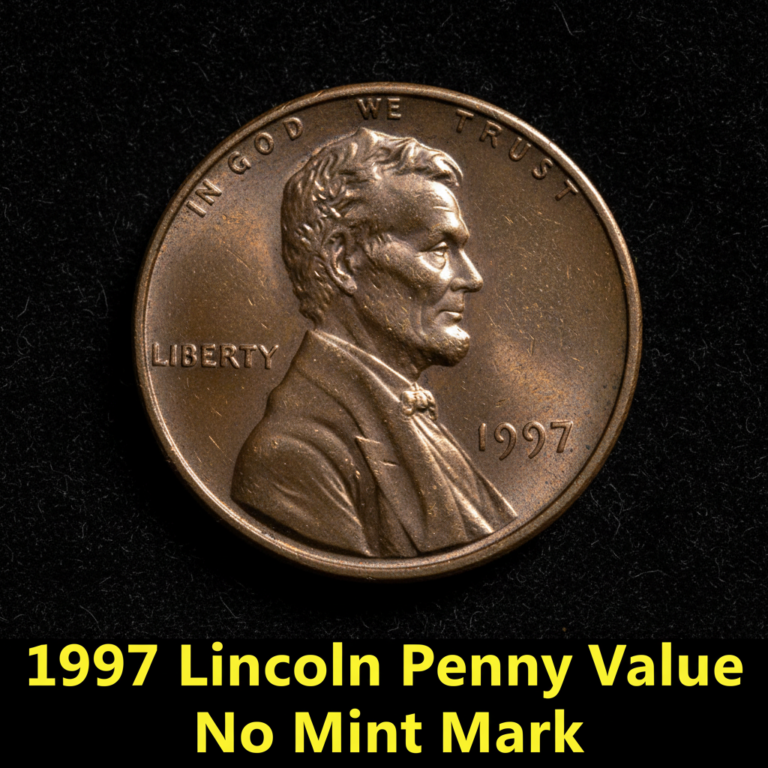
Start by looking at the coin under good lighting — natural daylight or a simple desk lamp works fine. Check Lincoln’s cheek, the wheat stalks on the back, and the lettering around the rim. If the details are sharp and the copper surface still glows with that warm orange-red color, you might have an uncirculated specimen worth having professionally graded. Also look for any doubling on the date or lettering, which can indicate a die variety that adds collector interest. The CoinKnow app is a great tool to use at this stage — just scan the coin and it will give you an instant grade estimate and current market value based on real sales data. It’s one of the fastest ways for a beginner to get a honest sense of what they’re holding.
Should You Get Your 1958 Wheat Penny Graded?
Professional grading by PCGS or NGC adds credibility and typically boosts resale value, but it only makes financial sense if your coin is worth at least $30–$50 raw. Grading fees usually start around $20–$30 per coin, so submitting a heavily circulated example would cost you more than the coin is worth. For coins that appear to be in MS-64 Red or better, grading is absolutely worth considering. If you’re unsure where your coin falls, snap a few photos in good light and run it through CoinKnow — the app’s grading tool can help you decide whether professional submission makes sense before you spend any money. It’s available for both iPhone and Android and takes less than a minute to use.
FAQ
Q: Is a 1958 Wheat Penny with no mint mark rare?
A: No, it’s not rare by mintage. Over 252 million were struck at the Philadelphia Mint in 1958. However, finding one in true gem uncirculated condition with full red luster is genuinely difficult, and those examples do carry meaningful collector premiums.
Q: How do I know if my 1958 penny is worth getting professionally graded?
A: If the coin shows no signs of circulation, has original red copper luster, and appears to grade MS-64 or higher, it may be worth submitting to PCGS or NGC. Use CoinKnow to get a quick grade estimate first — it can save you money on coins that don’t meet the threshold.
Q: What’s the most valuable 1958 Wheat Penny no mint mark ever sold for?
A: Exceptional gem examples graded MS-67 Red have sold for several hundred dollars at major auctions. These are the finest known survivors from original rolls, and they’re extremely rare at that level. Most 1958 Wheat Pennies without a mint mark sell for well under $10.