1917-S Wheat Penny Value What Is It Worth and Should You Hold Onto It
The 1917-S Wheat Penny is worth anywhere from $0.50 in heavily worn condition to well over $100 in uncirculated grades — and in top mint state examples, prices can climb into the thousands. If you just found one of these old Lincoln cents in a coin jar or an inherited collection, you’re in the right place to find out exactly what you’ve got.
What Makes the 1917-S Wheat Penny Special
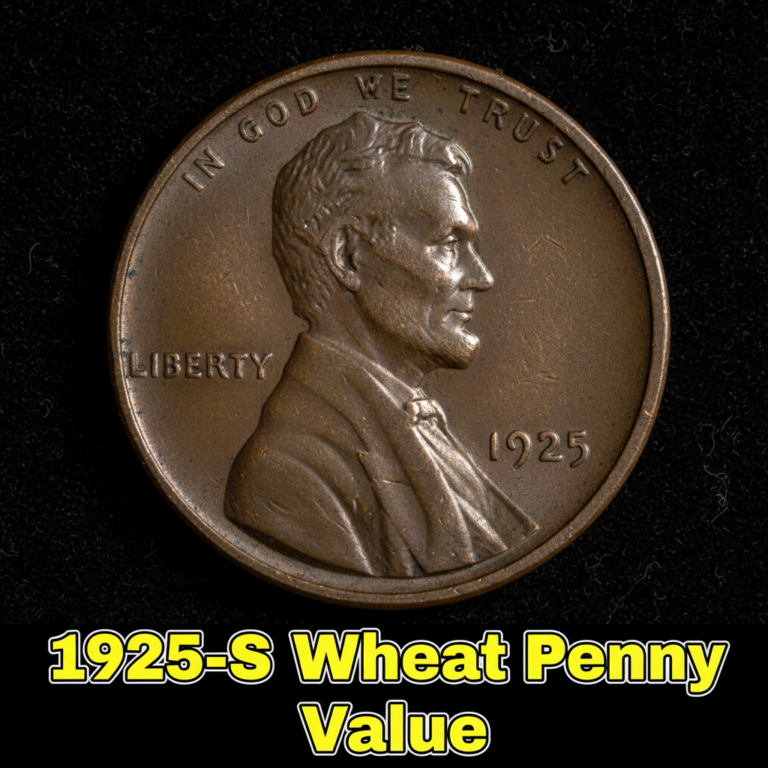
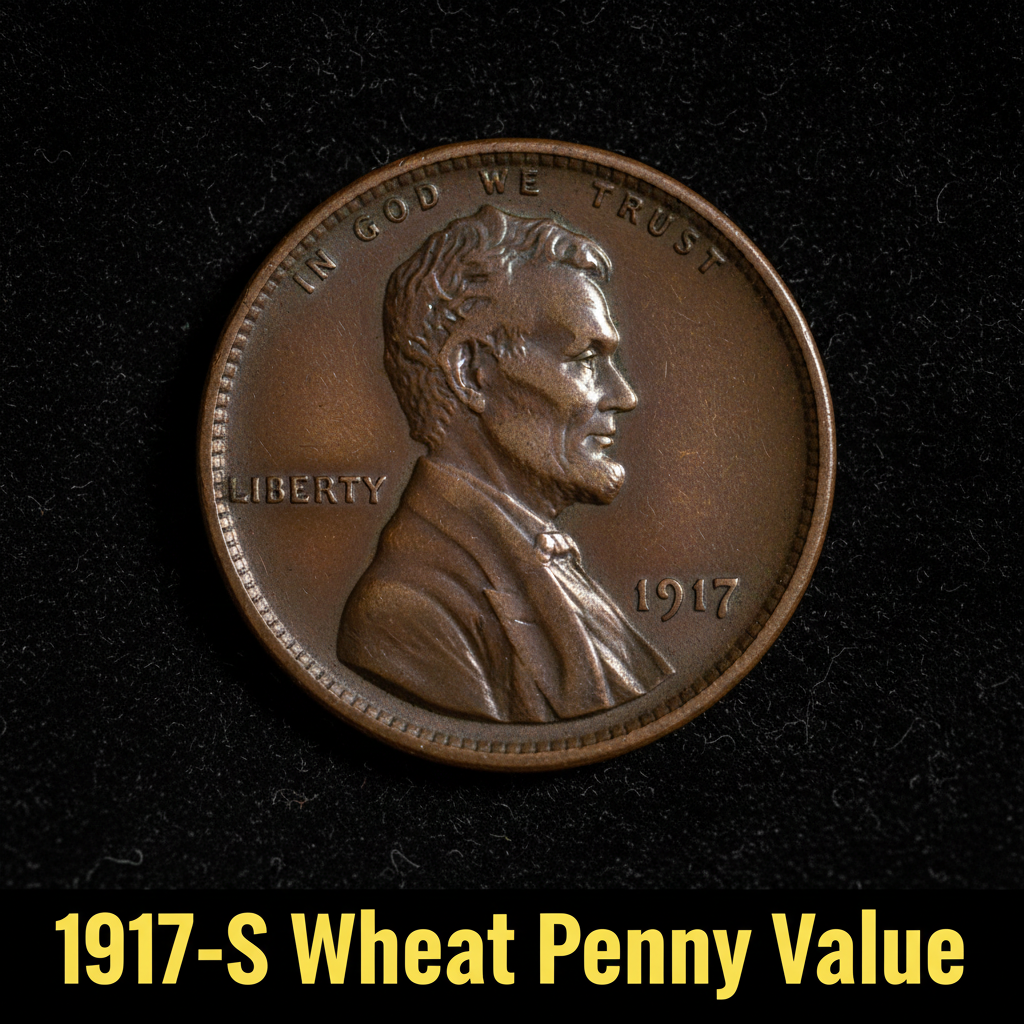
The 1917-S Lincoln Wheat Penny was struck at the San Francisco Mint, which is why you’ll see a small “S” mintmark just below the date on the obverse (heads) side of the coin. That year, the San Francisco facility produced around 32,620,000 of these cents — a decent mintage, but far fewer than what Philadelphia was churning out at the time.
Lincoln Wheat Pennies were first introduced in 1909, and by 1917 they were already becoming a beloved part of everyday American commerce. The “S” mint coins from this era tend to carry a small premium over their Philadelphia counterparts, especially in better grades, because San Francisco coins were more likely to circulate heavily in the western United States and fewer survived in top condition.
If you’re not sure which mint your coin came from — or if you can’t make out the mintmark clearly — consider using a free coin identifier app to help you read the details and get a quick baseline estimate. These tools have gotten surprisingly good at recognizing date and mint combinations from just a photo.
1917-S Wheat Penny Value by Grade
The condition of your coin matters more than almost anything else when it comes to value. Here’s a straightforward breakdown of what a 1917-S Wheat Penny is typically worth at different grade levels:
| Grade / Condition | Description | Estimated Value |
|---|---|---|
| Good (G-4) | Heavy wear, main design visible | $0.50 – $1.50 |
| Very Good (VG-8) | Moderate wear, some detail remains | $1.50 – $3.00 |
| Fine (F-12) | Even wear, lettering clear | $3.00 – $6.00 |
| Extremely Fine (EF-40) | Light wear on high points only | $15 – $30 |
| About Uncirculated (AU-50) | Slight wear, most luster intact | $35 – $60 |
| Mint State (MS-63) | Uncirculated, minor contact marks | $75 – $150 |
| Mint State Red (MS-65 RD) | Full original red color, gem quality | $300 – $600+ |
For the most up-to-date auction results and certified sale prices, you can check out recent 1917-S Wheat Penny MS Red prices and auction records to see what collectors are actually paying right now.
How to Grade Your 1917-S Penny at Home
You don’t need to be a professional numismatist to get a rough idea of your coin’s grade. Start by looking at Lincoln’s cheekbone, jaw, and the wheat stalks on the reverse — these are the high points that wear down first. If those areas are smooth and flat, you’re likely looking at a Good or Very Good coin. If you can still see hair strands above Lincoln’s ear and sharp detail in the wheat ears, you may be in Fine or better territory.
Lighting matters a lot. Try examining your coin under a single light source tilted at an angle — this makes surface wear, luster, and marks much easier to spot. A basic 5x to 10x loupe or magnifier will also help you read the mintmark and check for any unusual die characteristics.
CoinKnow is a handy app that many everyday collectors use to photograph and grade their coins on the spot. It walks you through what to look for and gives you a real-time value estimate based on current market data — great if you’re new to coin collecting.
Color Designation and Why It Matters for Value
For Lincoln Wheat Pennies, there’s an additional factor beyond grade that significantly affects value: color. Grading services like PCGS and NGC assign copper coins one of three color designations — Red (RD), Red-Brown (RB), or Brown (BN). A 1917-S penny with full original red copper color is dramatically more valuable than an identical coin that has turned brown from oxidation.
Most circulated 1917-S cents you’ll find today have turned brown, which is completely normal and doesn’t make them worthless — it just means the coin spent time in the real world. True Red examples are rare, and when they surface, they attract serious collector interest.
For a deeper breakdown of the 1917-S penny’s value across all grades and color designations, this detailed guide to 1917 penny values by grade and mint mark is an excellent reference to bookmark.
CoinKnow can also help you understand the color grade of your coin by comparing your photo to reference images in its database — a useful feature when you’re trying to figure out if that reddish tint is original or just surface residue.
Should You Clean Your 1917-S Wheat Penny?
Please don’t. This is one of the most common mistakes new collectors make, and it can permanently destroy a coin’s value. Even a gentle scrub with a cloth can leave microscopic scratches that grading experts will immediately identify as “cleaning.” A cleaned coin that might have graded EF-40 could lose 50–80% of its value once a grader spots the damage.
If your coin is dirty, the best thing to do is leave it alone. A little grime doesn’t bother serious collectors nearly as much as artificial cleaning does. If you really want it professionally conserved, submit it to a service like PCGS or NGC — they offer conservation options that won’t harm the coin’s grade.
—
Frequently Asked Questions
Q: How do I tell if my penny is a 1917-S or a regular 1917?
A: Look just below the date on the front (obverse) of the coin. If you see a small letter “S,” it was made in San Francisco. No mintmark means it came from Philadelphia. A “D” mintmark indicates Denver.
Q: Is a 1917-S Wheat Penny worth getting professionally graded?
A: It depends on the condition. If your coin looks uncirculated or has strong luster and red color, professional grading through PCGS or NGC can significantly increase its marketability and confirmed value. For worn circulated examples worth a few dollars, the grading fee usually won’t make financial sense.
Q: Where is the best place to sell a 1917-S Wheat Penny?
A: eBay is a good starting point for circulated examples since you can see real-time market prices. For higher-grade coins, consider submitting to PCGS or NGC first, then selling through a reputable coin dealer or auction house like Heritage Auctions. CoinKnow can also connect you with current market values to make sure you’re pricing your coin fairly before you list it.