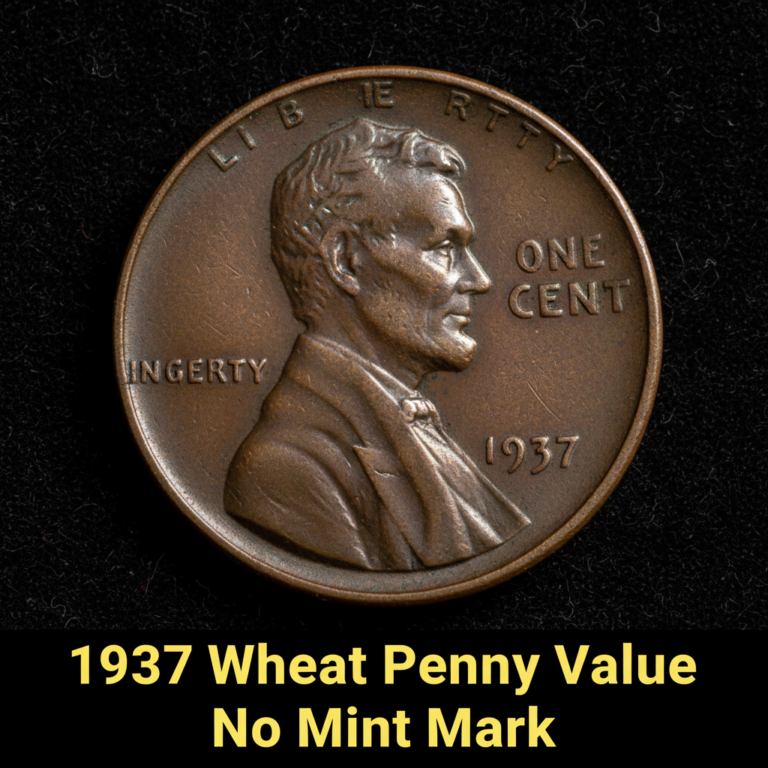
1866 Indian Head Penny Value: What Your Old Coin Could Be Worth Today
The 1866 Indian Head Penny is worth anywhere from $15 in heavily worn condition to over $400 in mint state, with some high-grade examples fetching even more at auction. If you found one of these beautiful copper coins tucked away in a drawer or inherited collection, you may be holding something genuinely valuable.
Getting to Know the 1866 Indian Head Penny
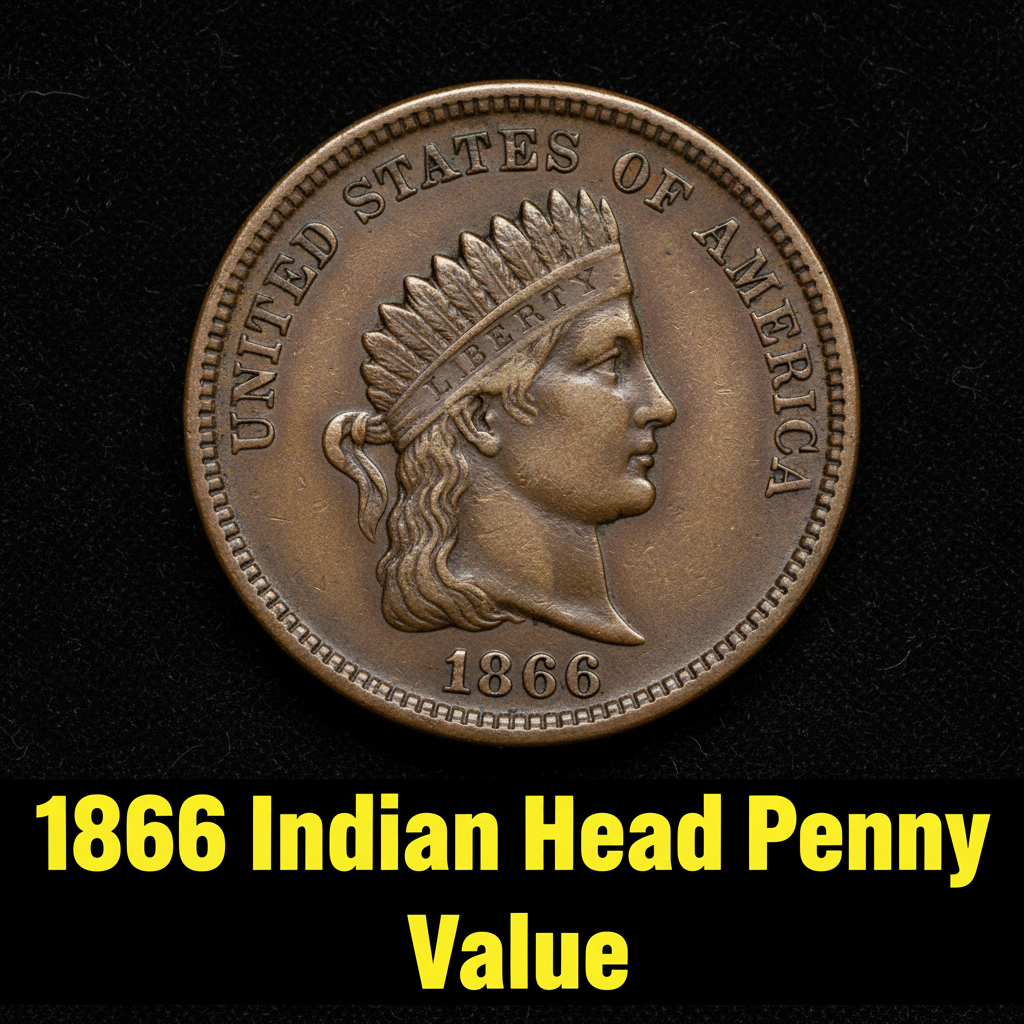
The Indian Head Penny series ran from 1859 to 1909, and the 1866 edition holds a special place among collectors. Struck at the Philadelphia Mint — the only mint producing cents at the time — this coin features James Longacre’s iconic design of Lady Liberty wearing a Native American headdress. The reverse displays a laurel and oak wreath surrounding the words “ONE CENT.”
The 1866 was produced during a difficult post-Civil War period, and mintage numbers reflect the era’s economic uncertainty. Approximately 9.8 million coins were struck, which sounds like a lot, but surviving high-grade examples are surprisingly scarce today. Most circulated coins show heavy wear simply because they were used as everyday pocket change for decades.
If you’ve recently come across one and want a quick identification, a free coin identifier app can help you confirm what you have before diving deeper into valuation. Once you know you’ve got an 1866 Indian Head Penny, it’s time to look at the grade.
How Condition Determines the 1866 Indian Head Penny Value
Coin grading is everything when it comes to value. The difference between a Good-4 and a Mint State-65 example can be hundreds of dollars. Here’s a general breakdown of what you can expect:
| Grade | Description | Estimated Value |
|---|---|---|
| Good (G-4) | Heavy wear, outline visible | $15 – $25 |
| Very Good (VG-8) | Moderate wear, some detail | $30 – $50 |
| Fine (F-12) | Even wear, features clear | $55 – $80 |
| Extremely Fine (EF-40) | Light wear on high points | $140 – $200 |
| Mint State (MS-63) | Uncirculated, minor marks | $350 – $500+ |
For detailed, up-to-date auction data on uncirculated specimens, you can browse current 1866 Indian Head Penny MS Red pricing and realized auction records to see exactly what the market is doing right now.
What Makes Some 1866 Pennies Worth More
Beyond basic grade, a few other factors can push the 1866 Indian Head Penny value higher. Color designation is one of the biggest. Uncirculated coins are categorized as Red (RD), Red-Brown (RB), or Brown (BN). Red coins — those that retain most of their original mint luster — command the highest premiums. An MS-65 Red example can sell for well over $1,000 at major auctions.
Strike quality also matters. A sharply struck coin with full feather details on the headdress and a crisp “LIBERTY” band is far more desirable than a weakly struck example of the same grade. Eye appeal, originality of surfaces, and the absence of cleaning or artificial toning all play roles too. Collectors are savvy — they can spot a cleaned coin from across the table, and those coins sell at a steep discount.
CoinKnow is a great tool for understanding how these premium factors affect pricing. The app walks you through grading fundamentals and helps you assess your coin’s color and strike quality before you sell or submit it for professional grading.
Comparing the 1866 to Other Indian Head Pennies
The 1866 is considered a semi-key date in the Indian Head series. It’s not as rare as the 1877 (the true key date) but it’s definitely tougher to find in higher grades than common dates from the 1880s and 1890s. If you’re curious how value evolves across the series, looking at a comparable year is helpful — for example, explore how the 1898 Indian Head Penny value compares as a more common late-series date. That comparison puts the 1866’s relative scarcity and collector demand into clear perspective.
The post-Civil War cents from 1864 through the early 1870s tend to carry stronger premiums than their face values across the board, making this an exciting era to collect or stumble upon.
How to Sell Your 1866 Indian Head Penny
Once you know what you have, selling wisely is the next step. For coins in Good to Fine condition, eBay and local coin shops are reasonable options. For anything grading Extremely Fine or better, consider submitting to PCGS or NGC for professional grading — a certified coin almost always sells for more and gives buyers confidence.
CoinKnow can help you track recent sales comps so you know whether offers you receive are fair. Don’t rush the process; a little research goes a long way when you’re dealing with a coin that could be worth several hundred dollars.
—
Frequently Asked Questions
Q: Is an 1866 Indian Head Penny rare?
A: It’s considered a semi-key date. With about 9.8 million minted, it’s not the rarest in the series, but high-grade examples are genuinely scarce and command strong collector premiums.
Q: How do I know if my 1866 penny has been cleaned?
A: Cleaned coins often show unnatural brightness, hairline scratches under magnification, or an overly shiny surface that looks harsh rather than lustrous. A coin dealer or CoinKnow app can help you evaluate it quickly.
Q: Where’s the best place to sell an 1866 Indian Head Penny?
A: For lower-grade coins, eBay or local dealers work fine. For higher-grade or uncirculated examples, submit to a professional grading service first — certified coins typically bring 20–40% more at auction.