1997 Lincoln Penny Value No Mint Mark What It’s Worth and Why Collectors Care
The 1997 Lincoln Penny with no mint mark is worth anywhere from 1 cent in heavily worn condition to around $10 or more in pristine uncirculated grades — and a select few high-grade examples have sold for significantly more at auction.
If you just found one of these coins in your change jar or an old collection, you’re in the right place. Most 1997 pennies aren’t going to retire you early, but some are worth more than you might think. Using a free coin identifier app is a great first step to get a quick sense of what you’re holding before diving deeper into grading and values.
What Does No Mint Mark Mean on a 1997 Penny?
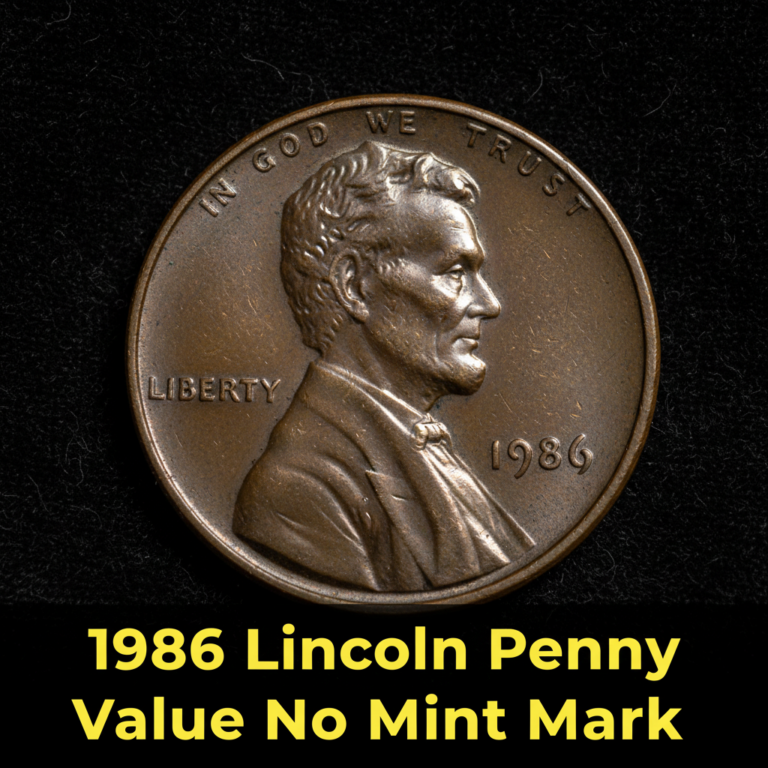
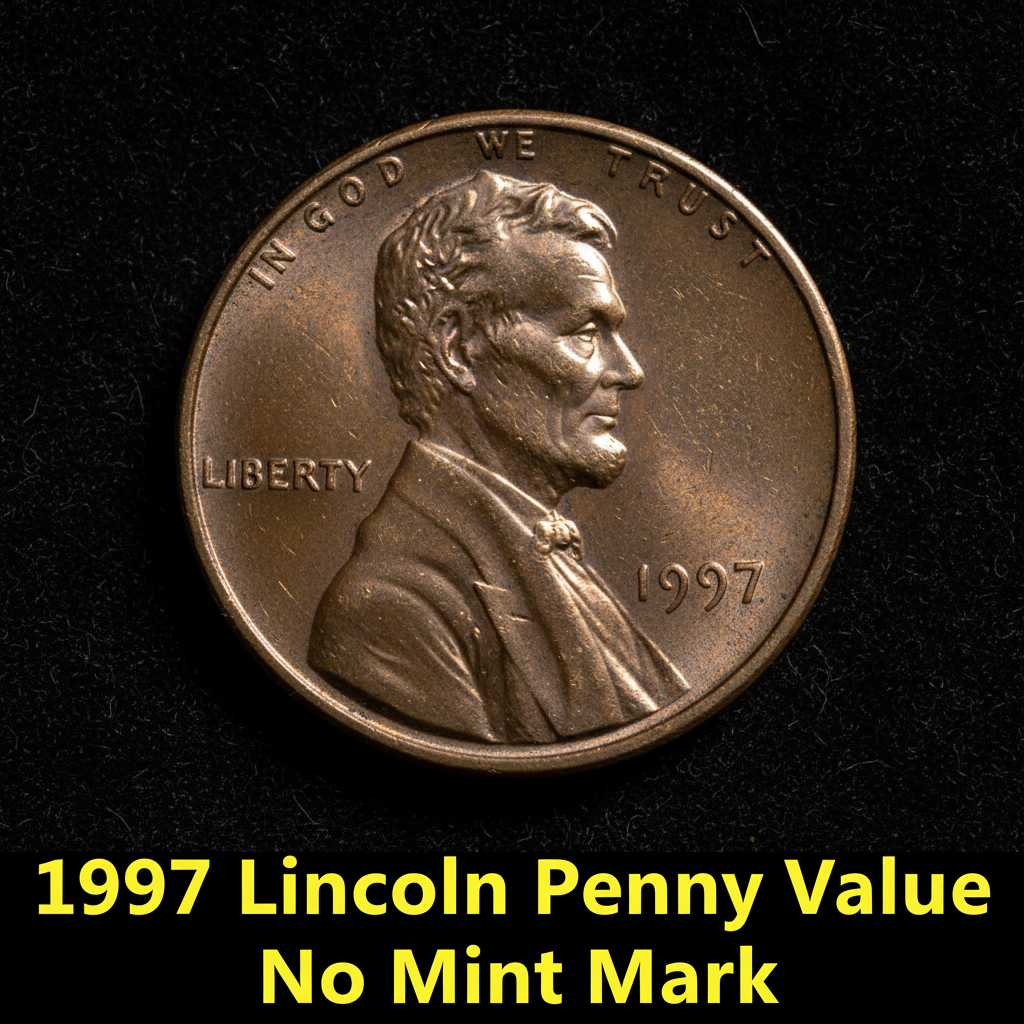
When a coin has no mint mark, it simply means it was struck at the Philadelphia Mint. The United States Mint has several facilities across the country, and each one stamps a tiny letter on the coins it produces — “D” for Denver, “S” for San Francisco, and so on. Philadelphia, however, historically did not use a mint mark on Lincoln cents produced for circulation. So if you flip your 1997 Lincoln penny over and look just below the date and see nothing there, that’s completely normal. Your coin was made in Philadelphia, and over 4.6 billion of them were produced that year. That’s a lot of pennies, which is why most circulated examples aren’t rare. But condition is everything in the coin world, and a pristine example can still fetch a nice premium.
1997 Lincoln Penny No Mint Mark Value by Grade
The value of your 1997 Lincoln penny depends heavily on its condition, or “grade” in collector terminology. Here’s a simple breakdown of what these coins are typically worth across different grades:
| Grade | Description | Estimated Value |
|---|---|---|
| Good (G-4) | Heavy wear, flat detail | Face value (~$0.01) |
| Fine (F-12) | Moderate wear, readable features | $0.05–$0.20 |
| Extremely Fine (EF-40) | Light wear on high points | $0.25–$0.50 |
| MS-63 (Uncirculated) | No wear, some bag marks | $0.50–$2.00 |
| MS-65 Red (Gem) | Brilliant luster, original red color | $5–$12 |
| MS-67 Red (Superb Gem) | Near perfect strike and surface | $50–$200+ |
You can explore detailed 1997 Lincoln penny MS-RD price data by grade to compare recent sale prices and understand where your coin might fall on the spectrum.
What Makes a 1997 Penny Worth More Than a Cent
So what separates a penny worth face value from one worth $100 or more? Three main factors come into play: color, strike quality, and surface preservation.
Lincoln pennies made from 1982 onward are composed of 99.2% zinc with a thin copper plating. When they come fresh from the mint, they display a brilliant red-orange shine. This is called “Red” (RD) designation in grading, and it commands the highest premiums. As coins age, they tone to “Red-Brown” (RB) and eventually to “Brown” (BN). A fully red, unblemished 1997 Lincoln cent in MS-67 condition is genuinely rare and can sell for impressive sums.
Strike quality also matters. A sharply struck coin with well-defined details on Lincoln’s portrait and the Lincoln Memorial on the reverse will score higher. If you want to get a full picture of your coin’s 1997 penny value based on condition and variety, comparing it to graded examples is your best bet. Tools like CoinKnow make this fast and easy by letting you scan your coin and instantly see comparable values.
Are There Any Rare 1997 Penny Errors Worth Looking For
Yes — and this is where things get exciting for everyday collectors. Even common-date coins like the 1997 no-mint-mark penny can occasionally show up with valuable mint errors. Here are a few to look for:
Doubled Die Obverse (DDO): Look at Lincoln’s eye, ear, or the inscriptions like LIBERTY and IN GOD WE TRUST under magnification. If letters or features appear doubled or slightly separated, you may have a doubled die error. These can sell for $25 to several hundred dollars depending on the strength of the doubling.
Off-Center Strikes: If the design is shifted noticeably off center — especially if the date is still visible — these errors are popular with collectors. A 20–50% off-center 1997 penny with a visible date can be worth $20 to $75 or more.
Die Caps and Broadstrikes: These dramatic errors are rarer but do exist and can be worth well over $100.
Using CoinKnow, you can photograph your coin and quickly check if any visible anomalies match known error varieties — a huge time-saver if you’re searching through a bag of old pennies.
How to Get Your 1997 Lincoln Penny Appraised or Sold
If you believe your coin is uncirculated or shows an error, the next step is getting it properly assessed. For coins that might be worth $25 or more, professional grading by PCGS or NGC is worth considering. A graded and slabbed coin is much easier to sell at full market value.
For quick research on the go, CoinKnow is one of the most practical tools available — snap a photo, get an instant grade estimate, and compare your coin to recent auction results without leaving your couch. From there, platforms like eBay, Heritage Auctions, or local coin shows are all solid options for selling.
FAQ
Q: Is a 1997 penny with no mint mark rare?
A: No, it’s one of the most common coins in circulation. Over 4.6 billion were struck at the Philadelphia Mint in 1997. That said, high-grade uncirculated examples — especially those grading MS-67 Red — are legitimately scarce and can be worth real money.
Q: How do I know if my 1997 penny is worth grading professionally?
A: If your coin appears to have no wear, retains its original red-orange color, and shows no significant scratches or marks, it may be worth submitting to PCGS or NGC. You can also use an app like CoinKnow to get a preliminary assessment before spending money on professional grading fees.
Q: What is the most valuable 1997 Lincoln penny ever sold?
A: High-grade examples certified MS-67 Red by PCGS or NGC have sold at auction for anywhere from $50 to over $200. Error coins with strong doubled die features or dramatic off-center strikes can also command significant premiums depending on the severity and collector demand at the time of sale.