1999-S Lincoln Penny Value Guide What It’s Worth and Why Collectors Care
The 1999-S Lincoln Penny is worth anywhere from $2 to over $70 depending on its condition and type — and if you have a proof version, you might be sitting on a small but genuinely exciting find. Let’s break down exactly what this coin is worth and what makes it special.
If you’ve been digging through old change jars or estate sale finds, using a free coin identifier app is a smart first step before heading to a dealer. Apps like CoinKnow let you scan your coin and get instant value estimates right from your phone — no guesswork needed.
What Is the 1999-S Lincoln Penny?
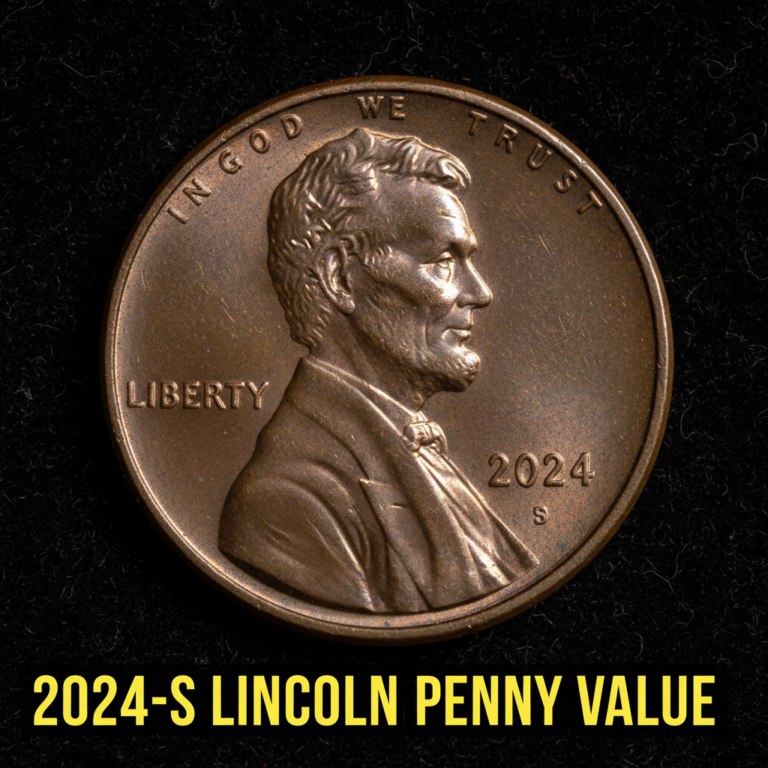
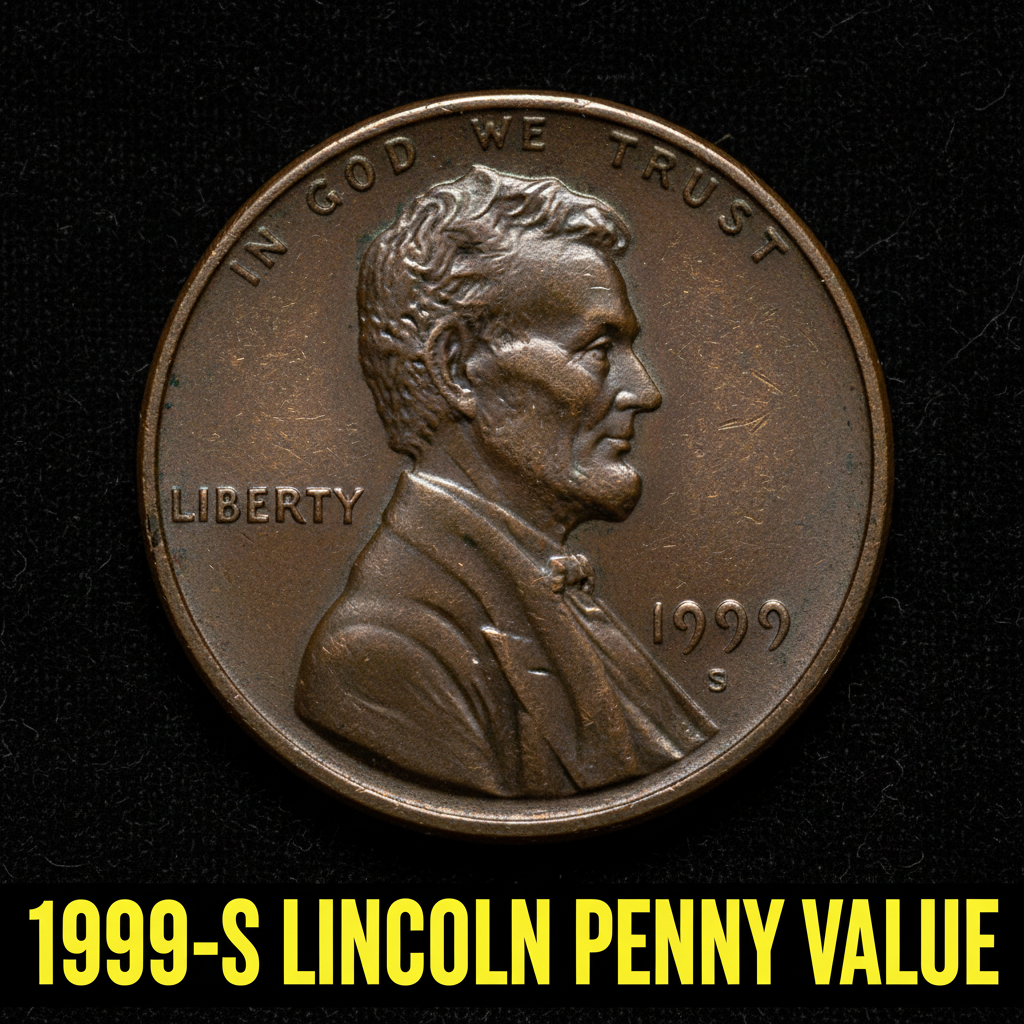
The 1999-S Lincoln Penny was struck at the San Francisco Mint, which is indicated by the small “S” mintmark you’ll find on the obverse (front) of the coin, just below the date. Unlike the Lincoln cents produced at Philadelphia and Denver that year, the San Francisco Mint did not release coins into regular circulation. Instead, it produced proof coins specifically for collectors.
That makes the 1999-S Lincoln Penny a proof-only issue. Proof coins are made using specially polished dies and planchets, which results in a sharp, mirror-like finish that you simply won’t find on a regular circulated cent. Two types were produced: the standard proof (cameo finish) and the more desirable Deep Cameo proof, where the raised design elements appear frosted against a mirror-bright background.
Because these coins were sold directly in annual proof sets, they were generally well-preserved. Most survivors are still in excellent condition, which keeps values relatively consistent across the board — though top-grade examples can still fetch a premium at auction.
1999-S Lincoln Penny Value by Grade and Type
Coin values depend heavily on condition. Since the 1999-S was never circulated, grading focuses on proof quality — PR (Proof) or PF designations from services like PCGS and NGC. Here’s a general breakdown of current market values:
| Type | Grade | Estimated Value |
|---|---|---|
| Proof (Standard) | PR65 | $2 – $5 |
| Proof Cameo | PR67 CAM | $8 – $15 |
| Proof Deep Cameo | PR69 DCAM | $25 – $45 |
| Proof Deep Cameo (Top Pop) | PR70 DCAM | $50 – $75+ |
For a more detailed breakdown of certified sale prices, the 1999 Lincoln Penny graded MS/PR Red price data is a helpful reference when comparing recent auction results.
How Many Were Minted and Does That Affect Value?
The 1999-S proof Lincoln Penny had a mintage of approximately 2,543,401 coins — which sounds like a lot, but compared to the hundreds of millions of circulation strikes produced in Philadelphia and Denver that same year, it’s actually quite limited.
That relatively modest mintage means there’s a solid collector base for this coin, especially for top-graded specimens. Proof sets from 1999 were popular, and many collectors held onto them unopened, which means a good portion of existing coins remain in pristine condition. This is actually one reason why mid-grade proofs (PR65–PR67) don’t command huge premiums — there’s decent supply. The real action happens at the top of the grading scale, where PR70 examples are genuinely rare and sought-after.
If you’re curious about the full picture of what your 1999 penny is worth across all mint marks and conditions, it’s worth reviewing current collector market data before deciding whether to sell or hold.
How to Check Your 1999-S Penny’s Value at Home
You don’t need to rush to a coin dealer to get a ballpark figure. Start by identifying the mintmark — look for a tiny “S” just below the “1999” on the front of the coin. If it’s there, you’ve got a San Francisco proof issue. Next, examine the finish: does the coin have a deep, mirror-like background with frosted lettering and design? That’s your Deep Cameo designation, and it’s where the real value lies.
CoinKnow is a great tool for this process — simply open the app, photograph your coin, and it will help identify the variety, estimate a grade range, and give you a current market value estimate. It’s especially helpful if you’ve found multiple coins and want to prioritize which ones are worth getting professionally graded.
Professional grading through PCGS or NGC is worthwhile for coins you believe might grade PR69 or PR70. The cost of slabbing a coin (typically $30–$50 per coin) pays off quickly if your cent grades out at the top level.
Is the 1999-S Lincoln Penny Worth Keeping?
For most people, a 1999-S proof cent in average proof condition isn’t going to fund a vacation. But if you have one that grades out at PR69 or PR70 Deep Cameo, you’re looking at a coin worth $45 or more — and that’s a solid return on a one-cent investment. CoinKnow can help you quickly sort through your collection to find the coins most worth pursuing further.
Even if yours is a lower-grade example, it’s a historically interesting piece: a coin never meant for your pocket, crafted with precision for collectors. That makes it worth keeping in your collection, if nothing else.
—
FAQ About the 1999-S Lincoln Penny
Q: Can I find a 1999-S Lincoln Penny in everyday pocket change?
A: No. The 1999-S was a proof-only coin sold in collector sets. It was never released into general circulation, so you won’t find one at the store. If someone has one, it almost certainly came from a proof set.
Q: What’s the difference between a Cameo and Deep Cameo 1999-S penny?
A: Both feature a mirror-like background, but a Deep Cameo (DCAM) has a much more pronounced contrast — the frosted design elements really “pop” against the reflective fields. DCAM coins are more desirable and command higher prices, especially at top grades.
Q: Should I clean my 1999-S penny before getting it graded?
A: Absolutely not. Cleaning a coin — even gently — removes its original surface and dramatically lowers its grade and value. Keep it as-is and store it in a soft flip or airtight holder until you’re ready to have it evaluated.