1912-D Wheat Penny Value and What Your Coin Could Be Worth Today
The 1912-D Wheat Penny is worth anywhere from $2 in heavily worn condition to over $100 or more in well-preserved mint state, making it one of the more interesting finds from the early Lincoln cent series. If you recently came across one of these old pennies, you’re in the right place to find out exactly what it’s worth.
If you’re not sure which mint your penny came from or want a quick identification before diving deeper, a free coin identifier app can help you confirm the coin’s details in seconds. Once you’ve confirmed you’ve got a 1912-D, keep reading — because the grade and condition of your coin make a huge difference in value.
What Is the 1912-D Wheat Penny?
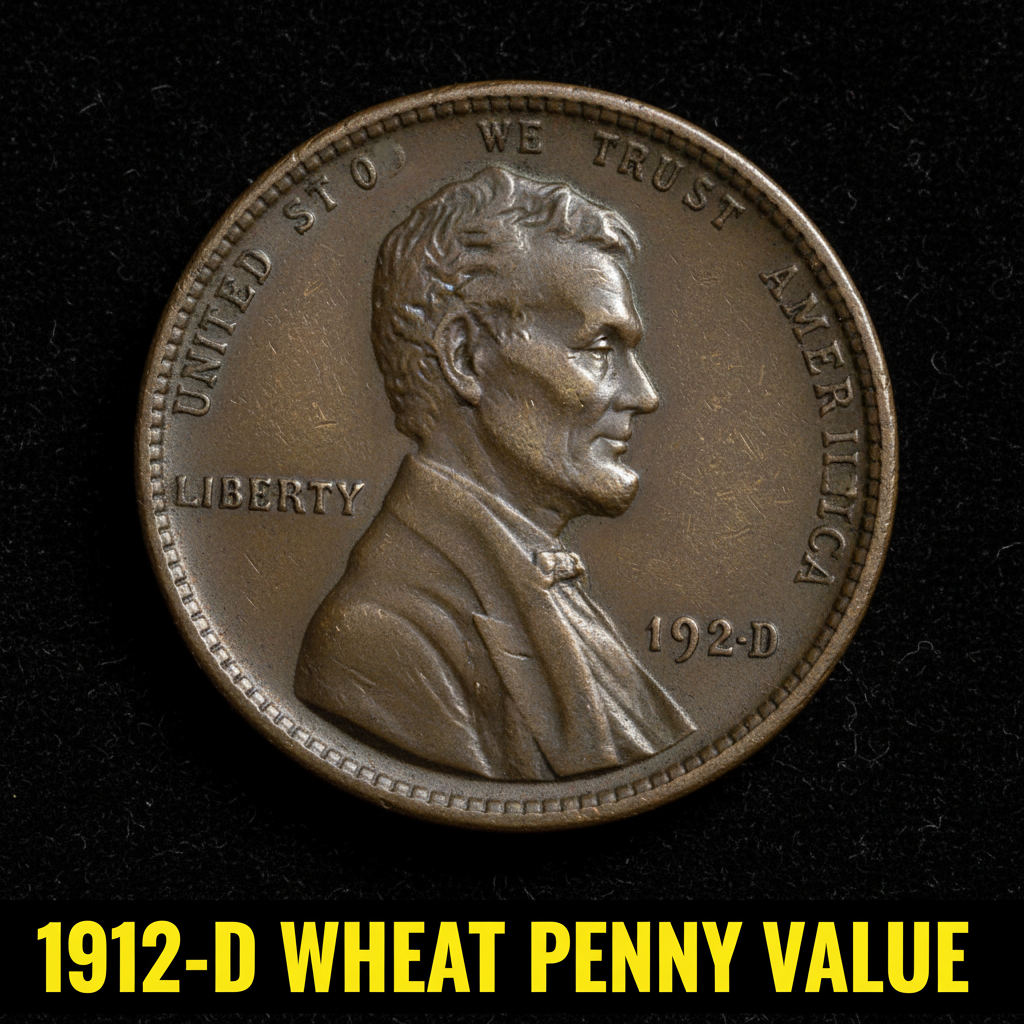
The 1912-D Lincoln Wheat Penny was struck at the Denver Mint in 1912, which is where the small “D” mintmark under the date comes from. That year, the Denver facility produced just over 10 million of these coins — fewer than the Philadelphia Mint’s output, but more than the San Francisco Mint’s 1912-S issue. That makes the 1912-D a mid-range rarity in the early Lincoln cent series.
Designed by Victor David Brenner, the obverse features Abraham Lincoln’s portrait, while the reverse shows two stalks of wheat flanking the words “ONE CENT.” This design ran from 1909 to 1958, and coins from the early years — especially those with mint marks — tend to command the highest collector interest. The 1912-D sits in that sweet spot: old enough to be genuinely historic, but not so rare that you’d never find one in an old collection or coin jar.
Whether you’re a seasoned collector or someone who just found this coin in a grandparent’s belongings, the CoinKnow app is a great tool for quickly checking current market values and understanding where your coin falls on the grading scale.
1912-D Wheat Penny Value by Grade
Coin condition — also called grade — is the single biggest factor in determining your 1912-D’s value. Coins are graded on a scale from 1 (barely identifiable) to 70 (perfect). Here’s a general breakdown of what you can expect:
| Grade | Condition Description | Estimated Value |
|---|---|---|
| Good (G-4) | Heavy wear, design visible but flat | $2 – $4 |
| Very Good (VG-8) | Moderate wear, major details clear | $5 – $8 |
| Fine (F-12) | Even wear, all lettering sharp | $10 – $15 |
| Very Fine (VF-20/30) | Light wear on high points only | $18 – $35 |
| Extremely Fine (EF-40) | Slight wear, strong details | $40 – $65 |
| Mint State (MS-63+) | No wear, original luster present | $100 – $300+ |
For the most current and detailed 1912-D Wheat Penny price data across all mint state grades, it’s worth checking a dedicated coin pricing database that updates regularly with auction results.
How to Grade Your 1912-D Wheat Penny at Home
You don’t need to be a professional numismatist to get a rough idea of your coin’s grade. Start by examining the coin under good lighting — a magnifying glass helps. Look at Lincoln’s cheekbone and the wheat stalks on the reverse. If those areas are smooth and flat, the coin has significant wear and falls in the lower grades. If you can still see fine hair detail above Lincoln’s ear and the wheat lines are crisp, you may have a Very Fine or better coin.
Color also matters for higher-grade coins. An uncirculated 1912-D will show either red (RD), red-brown (RB), or brown (BN) coloring. Full red examples are the most valuable and command strong premiums at auction. Brown uncirculated coins are still worth collecting, but they typically sell for less.
You can also explore the complete 1912 penny value guide with grading examples to compare your coin’s appearance with known specimens and sharpen your estimate before selling or insuring.
Where to Sell Your 1912-D Wheat Penny
Once you know roughly what you have, you’ve got several good options for selling. Online platforms like eBay and Heritage Auctions are popular for circulated examples in the $5–$50 range. For higher-grade or certified coins, major auction houses like Stack’s Bowers or PCGS-affiliated dealers can help you reach serious collectors willing to pay full market price.
If you want to skip the guesswork entirely, CoinKnow gives you real-time comparables and recent sale prices right from your phone, so you know whether a dealer’s offer is fair before you accept it. Local coin shows and coin shops are also worth visiting — you can often get cash on the spot, though prices may be slightly lower than private sales.
For truly exceptional examples graded MS-65 Red or above, professional certification through PCGS or NGC is strongly recommended. A certified 1912-D in top condition can fetch significantly more than a raw coin simply because buyers trust the grade.
Frequently Asked Questions About the 1912-D Wheat Penny
Q: How do I know if my penny is a 1912-D and not a 1912 or 1912-S?
A: Look just below the date on the obverse of the coin. A “D” mintmark means it was made in Denver, “S” means San Francisco, and no mintmark means Philadelphia. The mintmark is small but visible with a magnifying glass. You can also use CoinKnow to scan the coin and confirm the mint of origin instantly.
Q: Is the 1912-D Wheat Penny rare?
A: It’s not considered rare in lower grades, but it’s genuinely scarce in high mint state condition, especially with full red luster. The Denver Mint produced around 10.4 million coins that year, which is a modest mintage by later Lincoln cent standards. Finding one in EF or better condition is a pleasant surprise.
Q: Should I clean my 1912-D Wheat Penny before selling it?
A: Absolutely not. Cleaning a coin — even gently — removes the original surface and dramatically reduces its value to collectors. A cleaned coin that would have been worth $50 might sell for half that or less. Leave it as-is, store it in a coin flip or holder, and let the natural patina work in your favor.