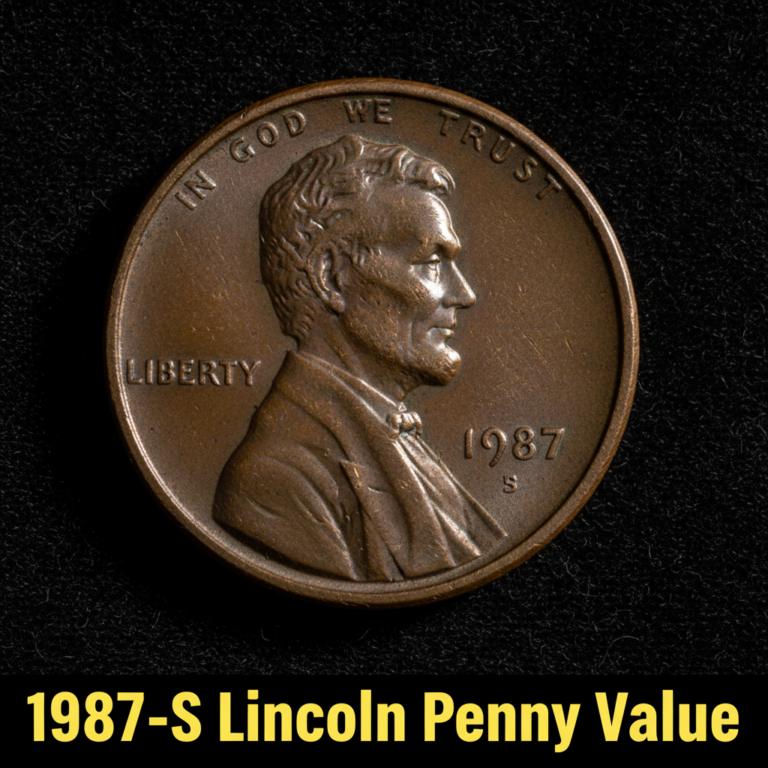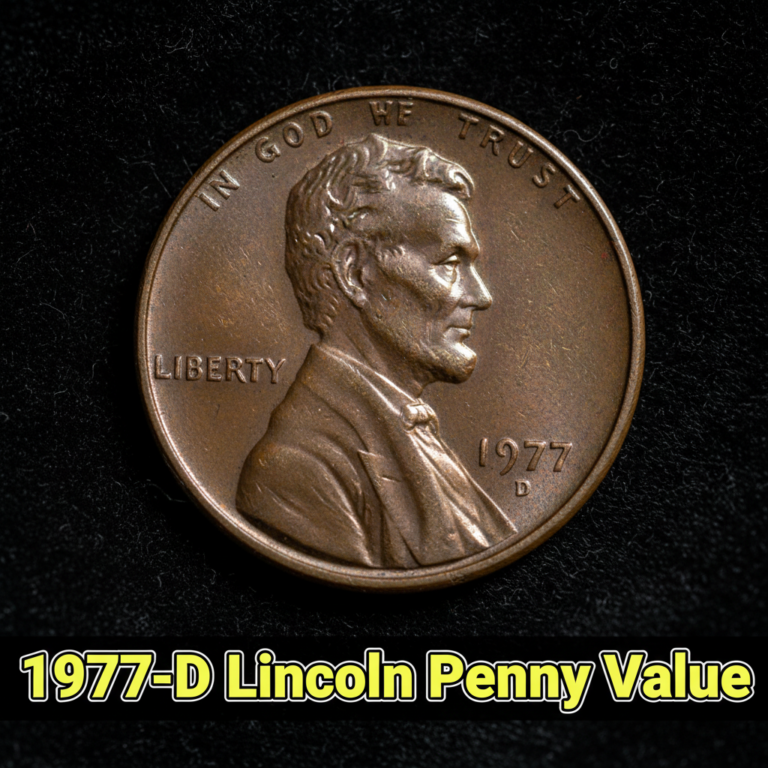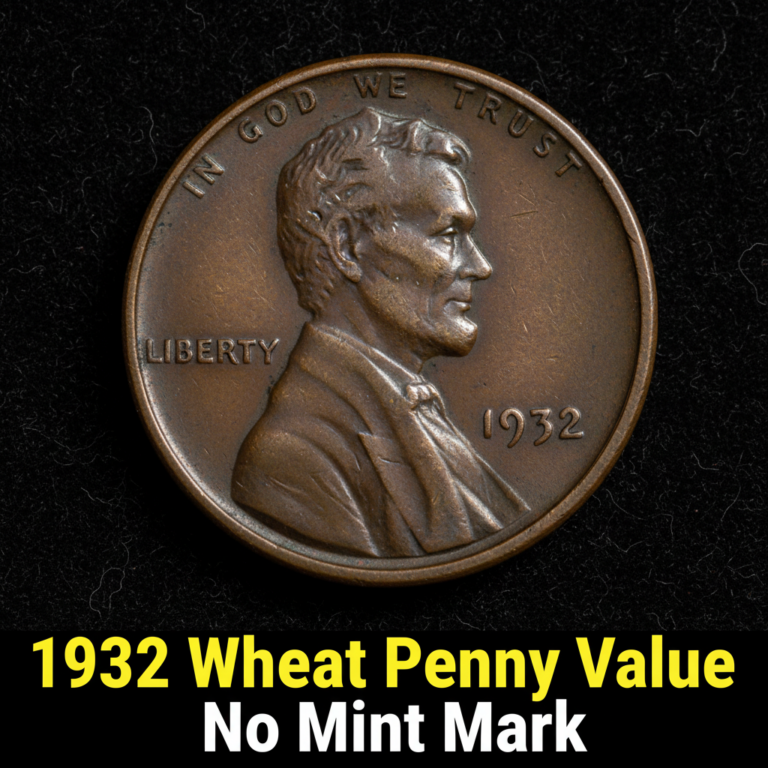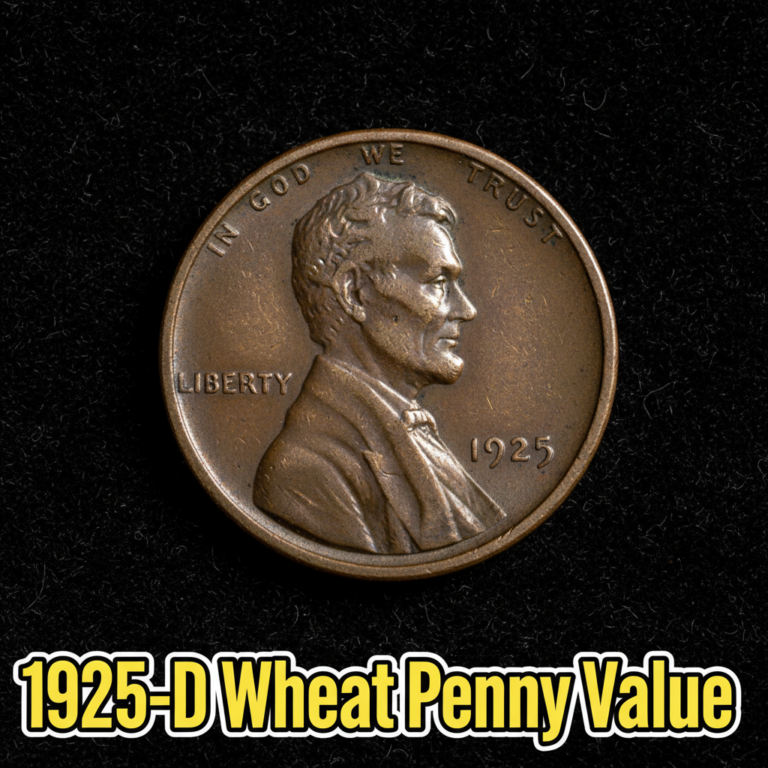
1981 Lincoln Penny With No Mint Mark What Is It Worth Today
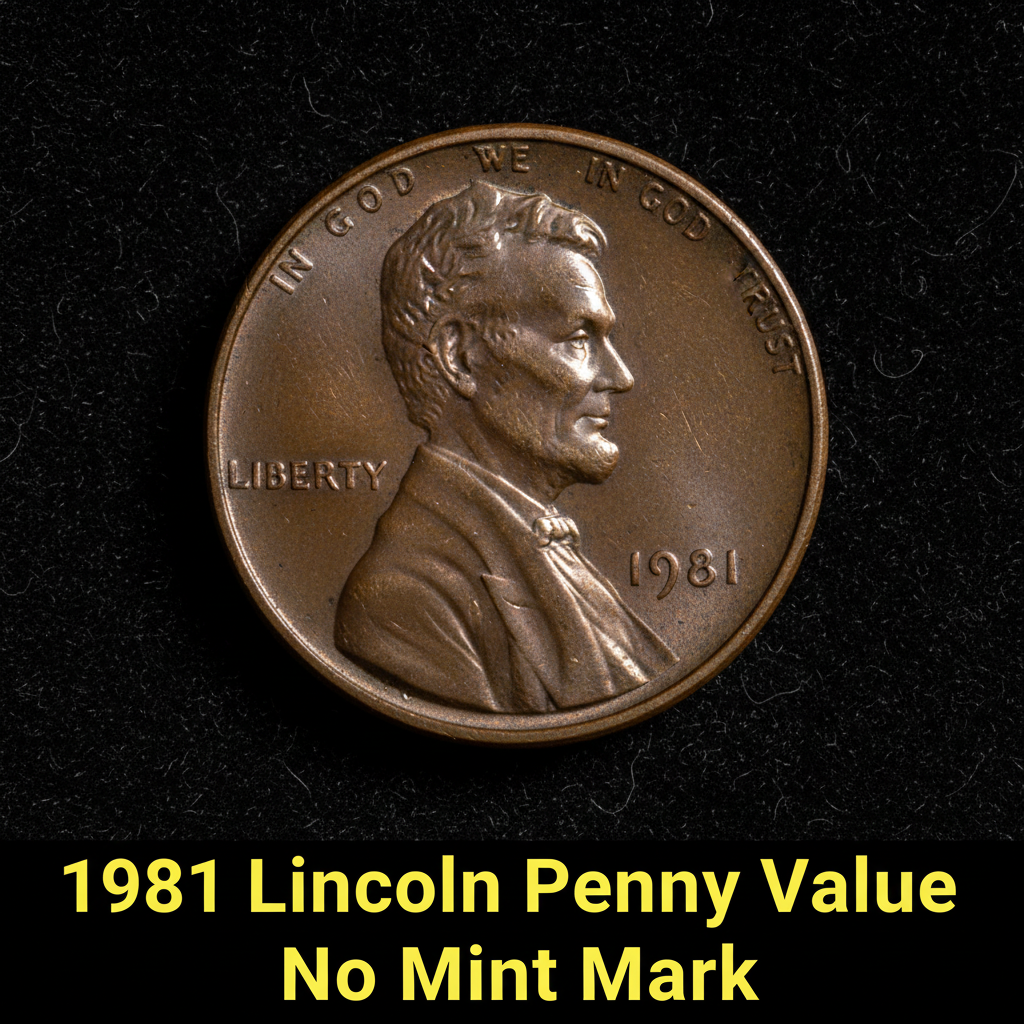
The 1981 Lincoln Penny with no mint mark is worth anywhere from 1 cent in heavily worn condition to over $10 or more in certified mint state grades, with gem examples occasionally reaching $20 to $50 depending on quality.
If you just found one of these coins in your change jar or inherited a collection, you are in the right place. Most 1981 pennies are common, but condition and surface preservation matter more than people think. A good first step is downloading a free coin identifier app to help you quickly assess what you have before diving deeper into the research. Understanding the basics can make the difference between tossing away a decent coin and holding onto something worth keeping. Tools like CoinKnow are especially useful for beginners because they let you scan your coin and get instant grade estimates right from your phone.
What the No Mint Mark Means on a 1981 Penny
When you look at a 1981 Lincoln penny and see no mint mark under the date, that tells you the coin was struck at the Philadelphia Mint. Philadelphia has historically not used a mint mark on many of its coins, and 1981 was no exception for the cent. That year, the Philadelphia Mint produced over 7.4 billion pennies, making the no mint mark version one of the most common Lincoln cents from the modern era.
Because so many were made, circulated examples are essentially worth face value. However, that does not mean all 1981 Philadelphia pennies are worthless. Uncirculated examples that have never been spent, properly stored, and show full original red luster can still carry a small but real premium. Coin collectors value coins in mint state condition — meaning no wear on the high points — and those can be worth more than you might expect for such a common date.
How Condition Affects the 1981 Penny Value
Condition, or grade, is the single biggest factor that determines what your 1981 Lincoln penny with no mint mark is worth. Coins are graded on a scale from 1 to 70, where higher numbers mean better preservation.
| Grade | Description | Estimated Value |
|---|---|---|
| Good (G-4) | Heavy wear, design visible | Face value ($0.01) |
| Fine (F-12) | Moderate wear, details clear | $0.05 – $0.10 |
| Extremely Fine (EF-40) | Light wear on high points | $0.25 – $0.50 |
| Mint State 63 (MS-63) | Uncirculated, some blemishes | $1 – $3 |
| Mint State 65 (MS-65) | Gem uncirculated, full red | $5 – $15 |
| Mint State 67+ (MS-67+) | Superb gem, rare at this level | $30 – $75+ |
You can find detailed 1981 Lincoln penny mint state pricing data by grade if you want to see how certified examples have sold at auction. For coins in MS-65 Red and above, the jump in value becomes more significant, especially if the coin is certified by a professional grading service like PCGS or NGC.
The 1981 Type A vs Type B Reverse — Does It Matter?
Here is something most casual collectors overlook: in 1981, the Philadelphia Mint used two slightly different reverse designs on the cent. These are referred to as the Type A and Type B reverse. The Type B reverse features a more clearly defined serif on the letter I in AMERICA and other subtle design differences. While the distinction is minor, it does matter to serious collectors, and Type B examples can sometimes carry a slightly higher premium in top grades.
This kind of detail is exactly where apps like CoinKnow come in handy. Instead of squinting at your coin under a magnifying glass for twenty minutes, you can use the app to help identify die varieties and surface characteristics that you might otherwise miss. Many collectors have discovered valuable varieties simply by paying more attention to reverse design features.
Where to Find Current 1981 Penny Values and What to Do Next
Once you have assessed your coin’s condition and identified whether it has any special characteristics, you will want to verify current market values. Coin prices shift based on demand, metal content, and collector interest. For a thorough breakdown of what the 1981 penny is worth across all grades and mint marks, it helps to consult a regularly updated source rather than relying on old price guides.
If you believe your coin is uncirculated or near-perfect, consider having it professionally graded. A certified coin sells for far more than a raw coin of the same quality because buyers trust the independent assessment. For everyday collectors just starting out, CoinKnow offers a straightforward way to learn grading basics and build confidence before spending money on professional services.
—
FAQ
Q: Is a 1981 Lincoln penny with no mint mark rare?
A: No. The 1981 Philadelphia penny is one of the most common modern Lincoln cents, with over 7.4 billion minted. Only very high-grade examples in MS-66 or MS-67 Red are considered scarce.
Q: Can a 1981 penny be worth more than face value?
A: Yes, if it is uncirculated and well-preserved. Gem mint state examples graded MS-65 or higher can be worth anywhere from $5 to $50 or more depending on the grade and certification.
Q: Should I clean my 1981 penny before selling it?
A: Never clean a coin. Cleaning removes the original surface and destroys collector value. Even a dirty uncirculated coin is worth far more than one that has been polished or wiped clean.