1944-D Steel Wheat Penny Value Guide What This Rare Wartime Error Is Really Worth
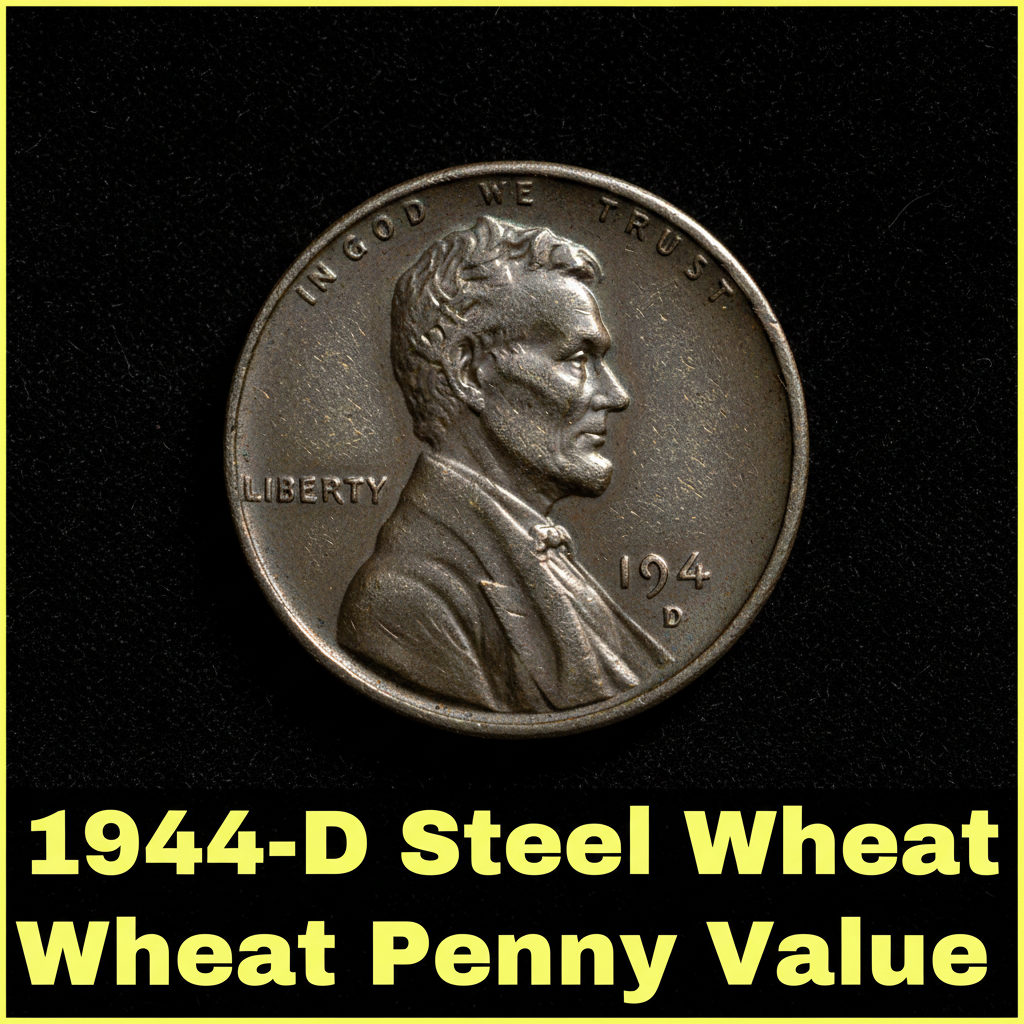
The 1944-D Steel Wheat Penny is one of the most fascinating error coins in American numismatic history, worth anywhere from $10,000 in heavily worn condition to over $500,000 for top-grade examples — making it an absolute treasure if you happen to find one.
If you stumbled across an old penny and you’re not sure what you’re looking at, a free coin identifier app can help you quickly figure out whether that coin in your hand is made of steel or copper — a difference that could literally be worth hundreds of thousands of dollars. Knowing what you have is the first step toward understanding its real value, and tools like CoinKnow make that process simple and fast, even if you’ve never collected coins a day in your life.
What Makes the 1944-D Steel Wheat Penny So Rare
To understand why this coin is so valuable, you need a little wartime history. In 1943, the U.S. Mint switched from making copper pennies to zinc-coated steel pennies because copper was desperately needed for the war effort. Then in 1944, the Mint switched back to copper — or more precisely, to recycled brass shell casings.
The problem? A small number of leftover 1943 steel planchets (the blank metal discs used to stamp coins) were accidentally mixed into the 1944 production run. At the Denver Mint, a handful of these steel planchets were struck with the 1944 die, creating what we now call the 1944-D Steel Wheat Penny. It’s estimated that only around 7 to 10 of these coins are known to exist today. That extreme rarity is exactly what drives the jaw-dropping prices these coins command at auction.
How Much Is the 1944-D Steel Penny Worth Today
The value of the 1944-D Steel Wheat Penny depends almost entirely on its condition and authentication status. Because counterfeits are extremely common — people have been known to alter 1944 copper cents or plate 1943 steel cents to fake this coin — professional grading and authentication are absolutely essential.
Here’s a general look at how values break down:
| Grade | Condition | Estimated Value |
|---|---|---|
| VG-8 to F-12 | Heavy Wear | $10,000 – $50,000 |
| EF-40 to AU-55 | Light to Moderate Wear | $75,000 – $150,000 |
| MS-60 to MS-63 | Uncirculated | $200,000 – $375,000 |
| MS-64 and Above | Gem Uncirculated | $400,000 – $500,000+ |
For the most up-to-date auction records and certified price data for 1944 Wheat Pennies by grade, professional pricing databases are your best resource before making any buying or selling decisions.
How to Tell If Your 1944 Penny Is Steel or Copper
Here’s the simplest test in the world: grab a magnet. A genuine 1944-D Steel Wheat Penny will stick to a magnet. A normal 1944 copper cent will not. This quick test can immediately tell you whether you might have something extraordinary on your hands.
Beyond the magnet test, look closely at the coin’s color. Steel cents tend to have a grayish or silvery appearance, even when worn, while copper cents take on a brown or reddish-brown tone over time. Also check the “D” mintmark below the date — that’s the Denver Mint mark, and it should be clearly visible on an authentic example.
That said, never rely solely on a home test for a coin this valuable. Authentication by PCGS or NGC is non-negotiable. Counterfeit 1944-D steel cents are everywhere, and without a certified slab from a trusted grading service, no serious collector or dealer will pay top dollar. You can also use CoinKnow to scan and identify your coin as a starting point before sending it to a professional grader.
Where to Sell a 1944-D Steel Wheat Penny
If you’ve confirmed you have the real deal, congratulations — you’re holding one of the most valuable pennies ever made. Your best options for selling include major auction houses like Heritage Auctions or Stack’s Bowers, both of which specialize in rare U.S. coins and have the buyer networks to get you maximum value.
You can also explore current detailed 1944 Steel Penny value information and recent sale prices to get a realistic sense of what the market looks like right now. Don’t rush the process — coins this rare deserve careful handling and the right audience. CoinKnow is also a handy tool for tracking coin values and getting a sense of market trends before you commit to a sale.
—
FAQ
Q: How do I know if my 1944-D penny is actually steel?
A: The easiest way is to hold a magnet near it. If the coin sticks, it’s steel. If it doesn’t, it’s copper. You can also look for a grayish color rather than the brownish tone of a typical copper cent. For a definitive answer, send it to PCGS or NGC for authentication.
Q: Are there fake 1944-D Steel Pennies?
A: Yes, unfortunately fakes are very common. Some counterfeiters alter the date on genuine 1943 steel cents, while others copper-plate or silver-plate coins to mimic the appearance. Only a professionally graded and authenticated example from PCGS or NGC should be trusted for value purposes.
Q: Can a 1944-D Steel Penny really be worth hundreds of thousands of dollars?
A: Absolutely. Verified examples have sold at major auctions for well over $100,000, with gem uncirculated specimens reaching close to half a million dollars. The extreme rarity — with fewer than 10 known examples — is what makes this coin one of the holy grails of American coin collecting.