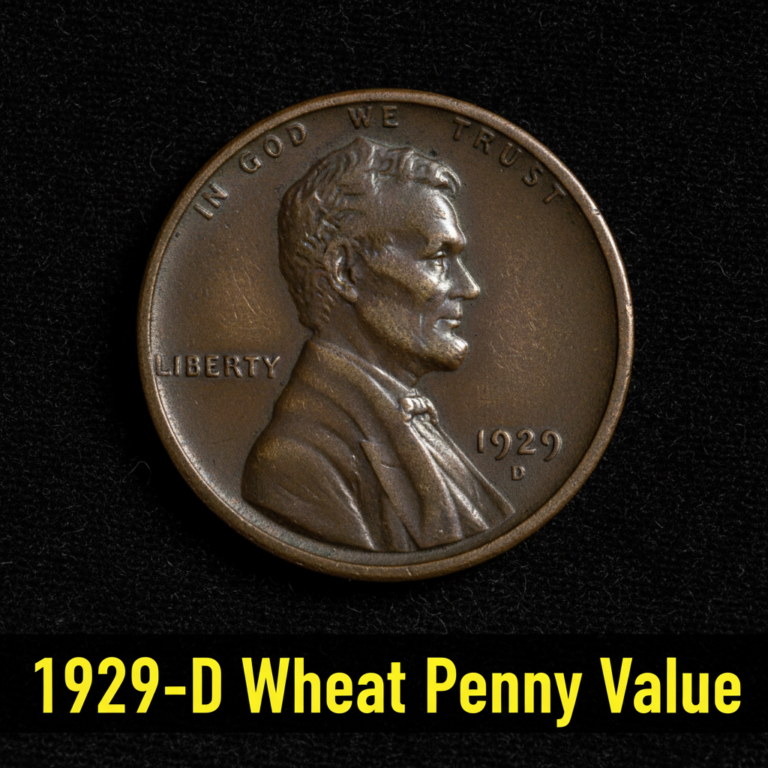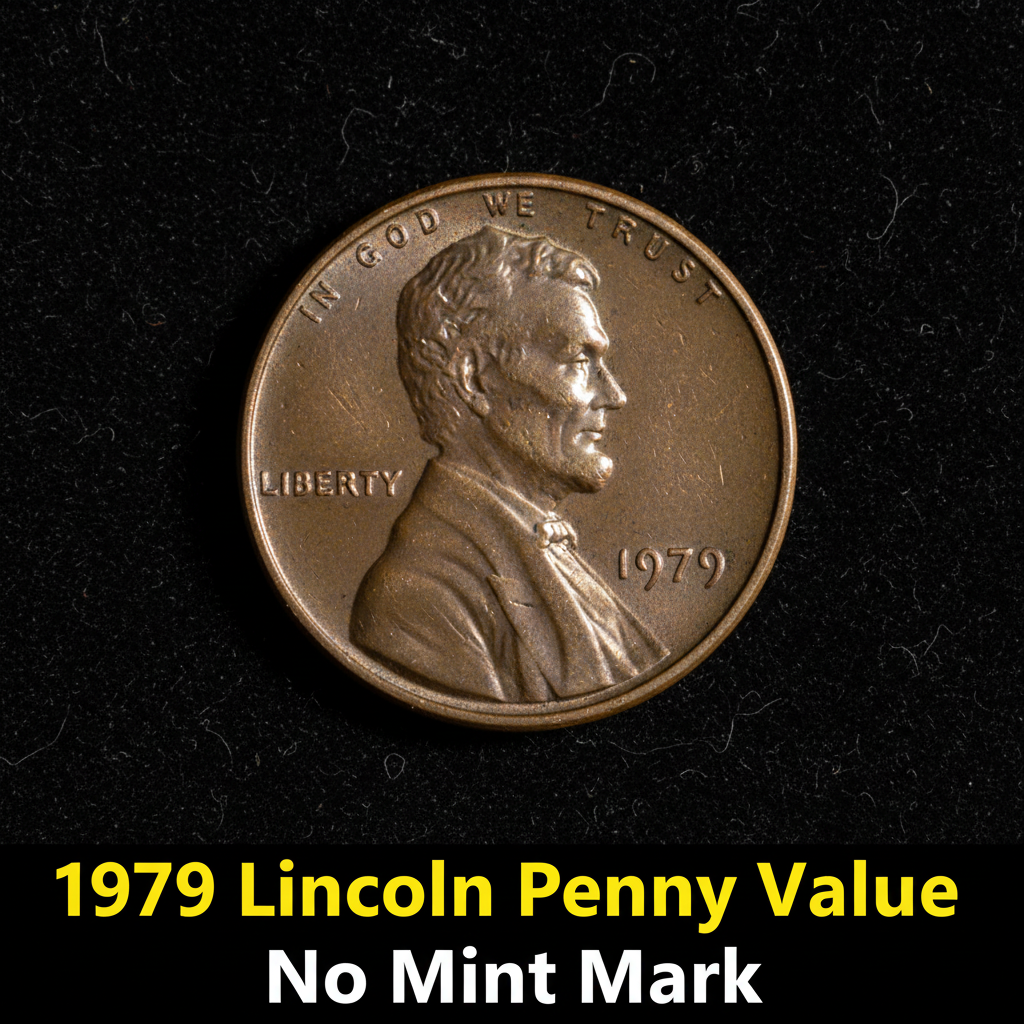
1979 Lincoln Penny Value No Mint Mark What It’s Worth and Why
The 1979 Lincoln penny with no mint mark is worth anywhere from 1 cent in heavily worn condition to over $10 or more in certified mint state grades, with top-condition red specimens occasionally fetching $25 or higher at auction. Most of these coins turn up in pocket change or old jars, but a few could surprise you.
What Does No Mint Mark Mean on a 1979 Penny?
If you’re new to coin collecting, the tiny letter stamped on a coin — called a mint mark — tells you where it was made. The United States has operated several mints over the years, and each one uses a different letter. A “D” means Denver, an “S” means San Francisco, and no mint mark at all means the coin was struck at the Philadelphia Mint. In 1979, Philadelphia produced a massive number of Lincoln cents — over 6 billion of them — which is exactly why most 1979 pennies with no mint mark aren’t worth a fortune. Sheer numbers drive down collector value. That said, condition is everything in the coin world. A coin pulled from a roll that was never circulated and stored carefully can still command a real premium. If you’re unsure what you’ve got, using a free coin identifier app is a quick and easy way to get a starting point before you dig deeper into research. CoinKnow is one popular option that lets you scan your coin and get an instant grade estimate right from your phone.
How Much Is the 1979 Lincoln Penny Worth Today
For most people, the honest answer is that a circulated 1979 no mint mark penny is worth face value or just a cent or two above it. Heavily worn examples with flat details, scratches, or discoloration have virtually no collector demand. However, once you move into uncirculated territory — meaning the coin was never actually used in commerce — values begin to climb. The color of the coin matters too. Lincoln cents are graded not just by wear, but by the amount of original red copper luster they retain. Coins described as “Red” (RD) are the most desirable, followed by “Red-Brown” (RB), and then “Brown” (BN). A 1979 penny graded MS-65 Red by a professional grading service like PCGS or NGC can be worth $10 to $25 or more. For a detailed look at 1979 Lincoln penny prices in MS Red grades across multiple coin platforms, it’s worth checking current market data before buying or selling.
| Grade | Condition | Estimated Value |
|---|---|---|
| Good (G-4) | Heavily worn, major details visible | $0.01 – $0.05 |
| Fine (F-12) | Moderate wear, lettering clear | $0.05 – $0.10 |
| Extremely Fine (EF-40) | Light wear on high points | $0.25 – $0.75 |
| MS-63 Red-Brown | Uncirculated, some toning | $1 – $3 |
| MS-65 Red | Gem uncirculated, full red luster | $10 – $25 |
| MS-67 Red | Superb gem, virtually flawless | $50 – $150+ |
The 1979 Type 1 vs Type 2 SBA Dollar and Why It Matters for Penny Collectors
You may have heard about 1979 “Type 1” and “Type 2” varieties — this distinction is actually most famous for the 1979-S proof Susan B. Anthony dollar. But savvy penny hunters should know that varieties and die characteristics exist across all U.S. coinage from this year. For the 1979 Lincoln cent with no mint mark, there are no major widely-recognized varieties that dramatically change the value for the average collector. However, doubled die errors, repunched dates, and off-center strikes do exist and can multiply a coin’s value many times over. A 1979 penny that looks slightly doubled in the lettering or date is worth examining closely. For a comprehensive breakdown of the full 1979 penny value guide including errors and varieties, dedicated coin value resources provide regularly updated price data based on real auction results.
Tips for Selling or Keeping Your 1979 No Mint Mark Penny
If you’ve got a roll or a jar full of 1979 pennies, here’s a practical approach. Start by sorting out any that look like they were never circulated — bright, shiny, with no signs of wear. Those are the ones worth examining more carefully. A jeweler’s loupe (10x magnification) can help you look for doubling or other anomalies. If a coin appears to be in exceptional condition, consider sending it to PCGS or NGC for professional grading — it’s only cost-effective if the coin grades MS-65 Red or higher, but it adds credibility and resale value. CoinKnow makes the initial screening process much faster by letting you photograph coins and compare them against a database of graded examples, so you’re not spending money on submissions that won’t pay off. For everyday worn examples, they’re great for spending or donating to a young collector just getting started — that’s how many lifelong hobbyists begin their journey.
Frequently Asked Questions
Q: Is a 1979 penny with no mint mark rare?
A: No, it is not rare. The Philadelphia Mint produced over 6 billion Lincoln cents in 1979, making this one of the most common modern pennies in existence. Most are worth only face value unless they are in high uncirculated grades or carry a notable error.
Q: How can I tell if my 1979 penny is in mint state condition?
A: Look for the original copper-red luster across the entire coin surface with no signs of wear on Lincoln’s cheekbone or the high points of the Memorial reverse. Any dulling, scratching, or flatness on the design suggests the coin has been circulated. Apps like CoinKnow can help you do a quick visual comparison against graded examples.
Q: Are there any 1979 penny errors I should look for?
A: Yes. Look closely at the date and lettering for any doubling effect, and check the coin’s edges and fields for off-center strikes or die cracks. These error coins can be worth anywhere from a few dollars to several hundred dollars depending on the type and severity of the error. A doubled die 1979 penny, for instance, attracts serious collector interest.