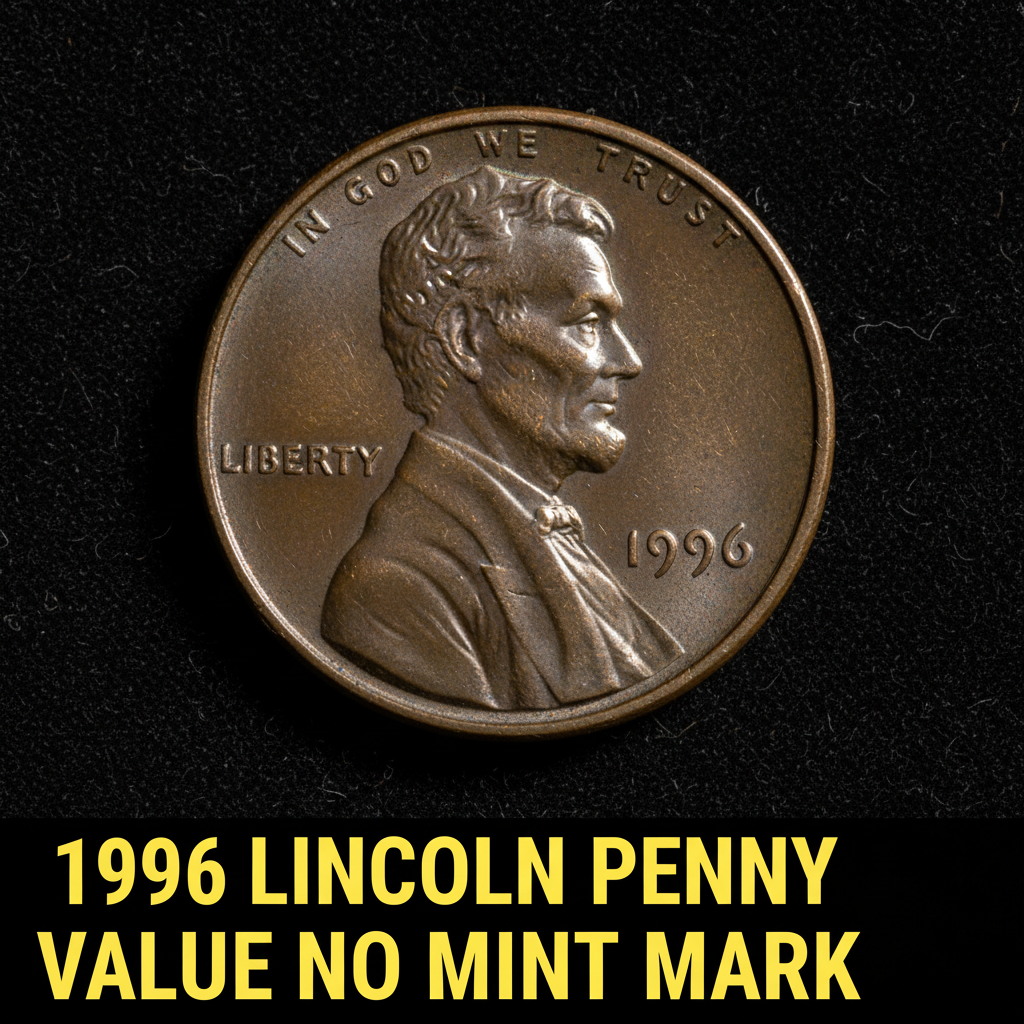
1996 Lincoln Penny Value No Mint Mark What It’s Worth and Why It Matters
The 1996 Lincoln Penny with no mint mark is worth anywhere from face value in heavily circulated condition to $10 or more in pristine mint state — and rare error versions can fetch hundreds of dollars from the right collector.
If you’ve been sorting through a jar of old coins and spotted a 1996 penny without any mint mark under the date, you’re holding a coin made at the Philadelphia Mint. Most of these cents are common, but knowing the details can help you figure out whether you’ve got pocket change or something worth keeping. A free coin identifier app can be a great first step to quickly assess what you have before diving deeper into grading and values.
What Does “No Mint Mark” Mean on a 1996 Penny?
When you flip a Lincoln cent over and look just below the date on the obverse side, you might spot a small letter — “D” for Denver or “S” for San Francisco. But if there’s no letter at all, that means your coin was struck at the Philadelphia Mint. Philadelphia has historically not used a mint mark on Lincoln cents for most of its production years, including 1996. The U.S. Mint produced over 6.6 billion pennies at Philadelphia that year alone, making the 1996 no mint mark penny one of the most common modern cents around. Because so many were made, they don’t typically hold significant premium value in circulated grades. However, high-grade examples — ones that never made it into circulation — can be worth more to collectors who care about condition. The 1996 Lincoln cent is made of copper-plated zinc, which means it’s easy to damage, and truly pristine examples are harder to find than you might expect.
1996 Lincoln Penny Value by Condition
Condition, or “grade,” is everything when it comes to coin values. A worn 1996 penny pulled from your pocket is worth exactly one cent. But a coin that’s been carefully stored since the day it was minted tells a completely different story. Here’s a breakdown of approximate values:
| Grade / Condition | Description | Estimated Value |
|---|---|---|
| Good (G-4) | Heavy wear, major details visible | $0.01 |
| Fine (F-12) | Moderate wear, all features clear | $0.01 – $0.05 |
| Extremely Fine (EF-40) | Light wear on high points only | $0.05 – $0.25 |
| Mint State 63 (MS-63) | Uncirculated, some marks | $0.50 – $2.00 |
| Mint State 65 (MS-65) | Gem uncirculated, strong luster | $3.00 – $6.00 |
| Mint State 67 (MS-67) | Superb gem, near perfect | $8.00 – $15.00+ |
For more detailed 1996 Lincoln Penny price data by grade and red designation, professional coin databases can show you how auction results have tracked over time. Red (RD) coins — those that retain their original copper-red color — almost always bring the highest prices in any grade.
Are There Any Rare 1996 Penny Errors Worth Looking For?
Here’s where things get interesting. Most 1996 pennies are common, but errors are a different matter. The mint is not perfect, and occasionally coins slip through with mistakes that make them highly collectible. Here are a few errors worth checking for:
Double Die Obverse (DDO): Look closely at Lincoln’s portrait and the lettering with a magnifying glass. If you see a slight doubling effect — letters or features appearing twice — you may have a double die error. These can be worth $25 to $100 or more.
Off-Center Strike: If the design is noticeably shifted and you can see a blank crescent of metal on one side, that’s an off-center strike. Values range from $10 to $50+ depending on how far off-center it is.
Broadstruck or Clipped Planchet: A penny that’s missing a chunk along the edge or looks oddly wide may have been struck on a defective blank. These errors attract strong collector interest.
Always examine your coins under good lighting and magnification before assuming they’re ordinary. CoinKnow is a smart tool that helps you identify potential error coins right from your phone camera, making it easier than ever to spot valuable varieties.
How to Tell If Your 1996 Penny Is Worth Grading
Not every old penny deserves a trip to a grading service like PCGS or NGC — the cost of grading often exceeds the coin’s value. But if you believe you have a gem uncirculated example or a notable error, professional certification can dramatically increase buyer confidence and resale value. Before spending money on grading, try using CoinKnow to get an initial read on your coin’s condition and potential value. It’s designed for everyday collectors who don’t have years of numismatic experience.
You can also check a full breakdown of 1996 penny values across all mint marks and grades to compare your coin against market benchmarks and see what collectors are actually paying right now.
Where Can You Sell a 1996 Lincoln Penny?
If you’ve confirmed your coin is worth something beyond face value, selling it is easier than you might think. eBay is one of the most accessible platforms for selling individual pennies, especially error coins — just search completed listings to see what similar examples actually sold for, not just what sellers are asking. Coin shows and local coin dealers are good options for face-to-face transactions, and you’ll often get a fair evaluation on the spot. For certified high-grade coins, major auction houses like Heritage Auctions or Stack’s Bowers can connect you with serious buyers willing to pay top dollar. CoinKnow also helps you understand the current market before you list anything, so you don’t leave money on the table.
Frequently Asked Questions
Q: Is a 1996 penny with no mint mark rare?
A: No, the 1996 Lincoln penny with no mint mark is one of the most common modern U.S. cents. Over 6.6 billion were produced at the Philadelphia Mint that year. However, error versions and high-grade uncirculated examples can still be valuable.
Q: How do I know if my 1996 penny is uncirculated?
A: An uncirculated penny will show no signs of wear on Lincoln’s cheek, the lettering, or the high points of the design. It should also have a bright, lustrous appearance. Red coins (RD designation) that still show original copper color are the most desirable grade.
Q: What is the most valuable 1996 penny ever sold?
A: While most 1996 pennies sell for cents, top-grade examples certified MS-68 RD by PCGS or NGC have sold for $100 or more at auction. Major error coins — like dramatic off-center strikes or strong double dies — can occasionally bring several hundred dollars depending on the specific error and buyer demand.