1930-D Wheat Penny Value Guide What It’s Worth and Why Collectors Care
The 1930-D Wheat Penny is worth anywhere from $0.15 in heavily worn condition to over $60 or more in top mint state grades. Most circulated examples fall somewhere in the $1 to $10 range, making this a surprisingly accessible yet genuinely interesting coin for both new and experienced collectors.
What Is the 1930-D Wheat Penny?
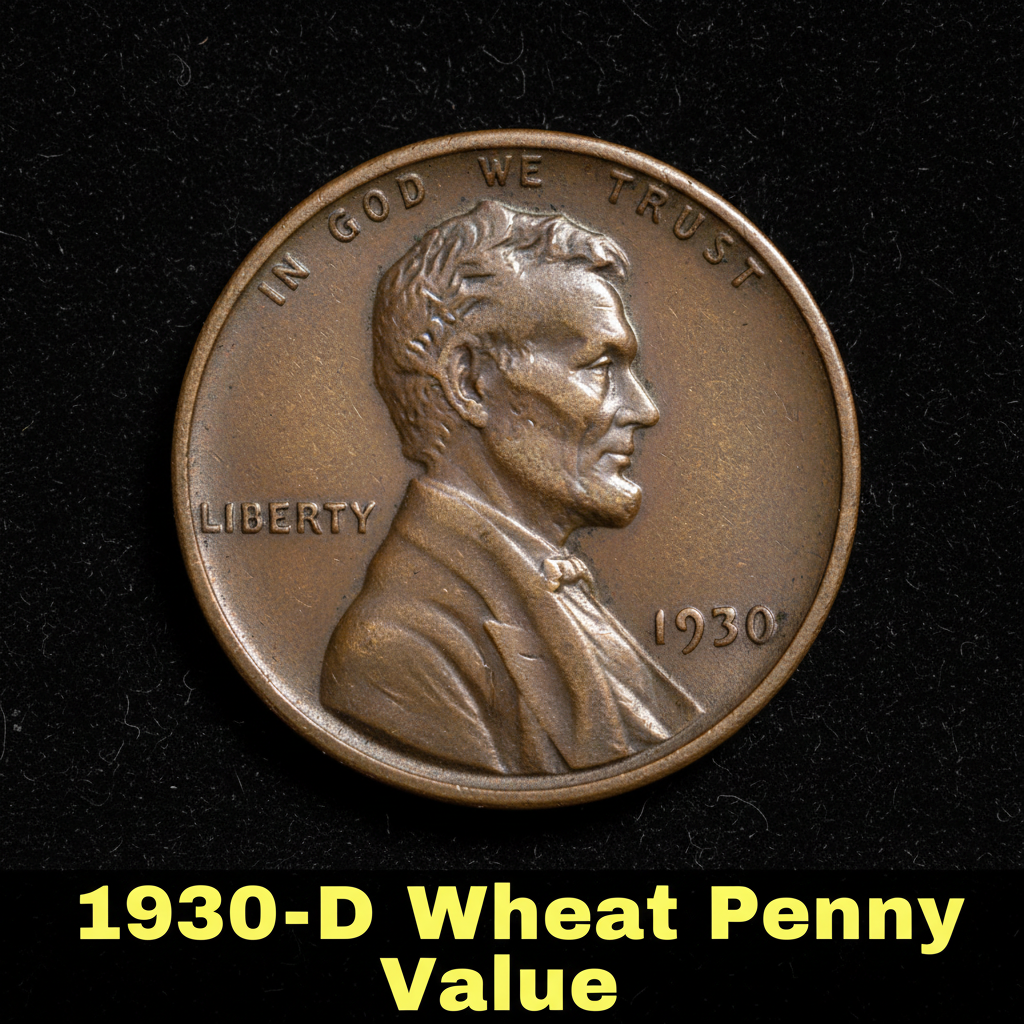
The 1930-D Wheat Penny is a Lincoln cent struck at the Denver Mint during 1930. The “D” mintmark appears on the obverse, just below the date, distinguishing it from Philadelphia and San Francisco issues of the same year. If you’ve ever used a free coin identifier app to scan an old penny, you may have seen this coin pop up and wondered what it’s actually worth.
During the early years of the Great Depression, Americans were holding onto their money tightly, and many coins from this era saw heavy circulation. The Denver Mint produced 40,100,000 Lincoln cents in 1930, which is a fairly healthy mintage. That means circulated examples aren’t rare, but well-preserved specimens can still command respectable prices among collectors. The coin features Victor David Brenner’s iconic portrait of Abraham Lincoln on the obverse and two stalks of wheat on the reverse — the classic design that gave these pennies their beloved nickname.
1930-D Wheat Penny Value by Grade
Coin value is almost entirely determined by condition, and the 1930-D is no exception. A coin that sat in a jar for decades looks very different from one that was tucked away in a collection right after it was minted. Grading ranges from Poor (P-1) at the lowest end to Mint State (MS-65 and above) at the top.
Here’s a general value breakdown based on grade:
| Grade | Condition | Estimated Value |
|---|---|---|
| G-4 (Good) | Heavy wear, date visible | $0.15 – $0.50 |
| VG-8 (Very Good) | Moderate wear, some detail | $0.50 – $1.50 |
| F-12 (Fine) | Even wear, clear lettering | $1.50 – $3.00 |
| EF-40 (Extremely Fine) | Light wear on high points | $5.00 – $10.00 |
| MS-63 (Mint State) | Uncirculated, some marks | $25.00 – $40.00 |
| MS-65 (Gem) | Gem uncirculated, full luster | $60.00 – $100.00+ |
For real-time auction results and certified coin prices, you can check up-to-date 1930-D Wheat Penny MS-RD price data to see exactly what collectors are paying in today’s market.
What Affects the Value of a 1930-D Penny
Beyond grade, several factors can push the value of a 1930-D Wheat Penny higher or lower. Color designation plays a big role in uncirculated coins. The U.S. coin grading system recognizes three color categories for copper cents: Red (RD), Red-Brown (RB), and Brown (BN). A fully Red example retains 95% or more of its original copper luster and is the most desirable — and most valuable — of the three. Red-Brown coins have partial original color, while Brown examples have fully toned surfaces.
Strike quality also matters. Some Denver Mint coins from this era show weak strikes, particularly in the hair detail above Lincoln’s ear and in the wheat stalks on the reverse. A sharply struck example is harder to find and generally worth more. Lastly, eye appeal — how attractive the coin looks overall — can make a meaningful difference when two coins have the same technical grade.
CoinKnow is a great tool for understanding these factors. The app walks you through how color, strike, and luster impact value so you can make smarter decisions whether you’re buying or selling.
Is the 1930-D Wheat Penny Rare?
With over 40 million minted, the 1930-D is not a rare coin by any definition. However, rarity and value don’t always go hand in hand in the coin world. What matters most is the survival rate in high grades. Most 1930-D pennies circulated heavily and are found in worn grades today. Gem uncirculated examples with full original red color are genuinely scarce, and certified MS-65 RD coins can sell for well over $100 at auction.
If you’re not sure what grade your coin is, CoinKnow can help you assess condition through guided photo comparisons and grading tips built right into the app. It’s especially useful if you’re new to collecting and don’t yet have a trained eye for subtle grading differences.
For a broader look at how much a 1930 Lincoln cent is worth across all mint facilities, the complete 1930 penny value breakdown by mint mark and grade is a helpful resource that covers Philadelphia, Denver, and San Francisco issues side by side.
Should You Hold Onto It or Sell?
If you found a 1930-D Wheat Penny in change or an old coin jar, the honest answer is that most circulated examples are worth only a dollar or two. But that doesn’t mean you should ignore it. Check the coin carefully under good lighting. Look at the color — is it brown, or does it still show some copper-red luster? Look at the detail — can you see Lincoln’s individual hair strands above his ear? These small details can mean the difference between a $2 coin and a $60 one.
CoinKnow makes this process much easier with its built-in coin recognition and value estimation tools. Whether you’re holding one 1930-D or a whole jar of wheat pennies, the app gives you a fast, reliable starting point before you decide to sell or add to your collection.
FAQ
Q: How do I know if my 1930-D Wheat Penny is valuable?
A: Look at condition first. Check that the date and mintmark are clear, and examine the coin’s surface under natural light. If it still shows reddish copper color and sharp detail, it may grade higher and be worth considerably more than a worn example. Getting it professionally graded by PCGS or NGC gives you the most accurate assessment.
Q: What does the “D” mintmark mean on a 1930 penny?
A: The “D” stands for the Denver Mint in Colorado. You’ll find the mintmark on the obverse side of the coin, directly below the date. Coins without a mintmark were made in Philadelphia, and those with an “S” came from San Francisco.
Q: Is a 1930-D Wheat Penny worth cleaning?
A: No — never clean a coin you think might be valuable. Cleaning removes the natural patina and surface metal, which dramatically reduces a coin’s grade and market value. Collectors and graders can easily spot a cleaned coin, and it will be worth far less than an original, uncleaned example regardless of how shiny it looks.