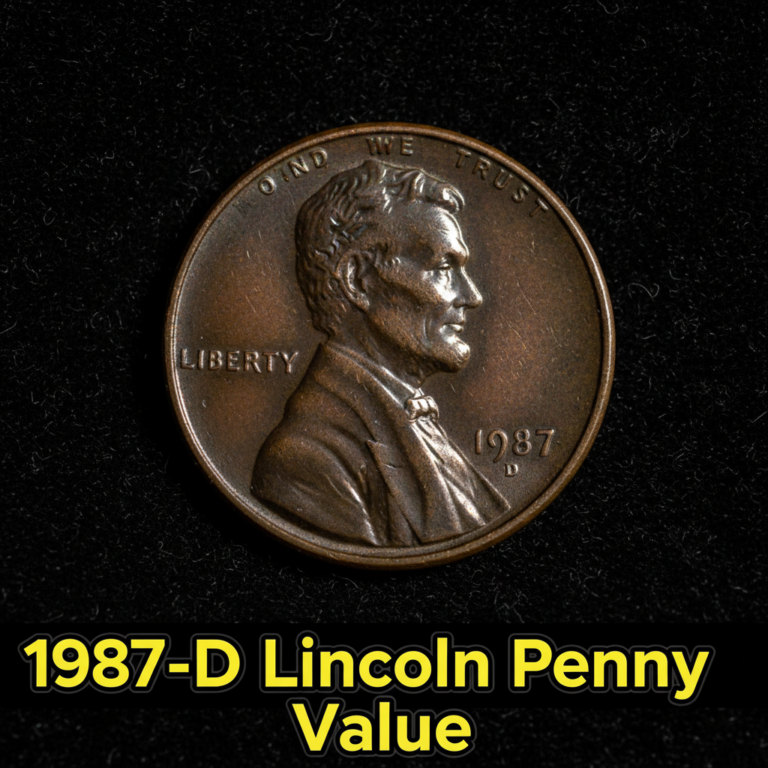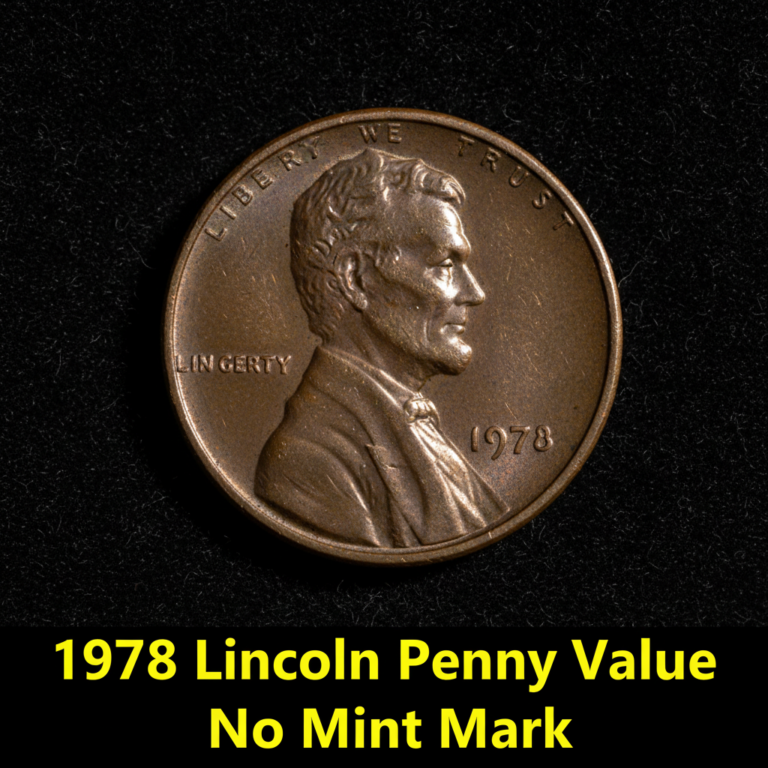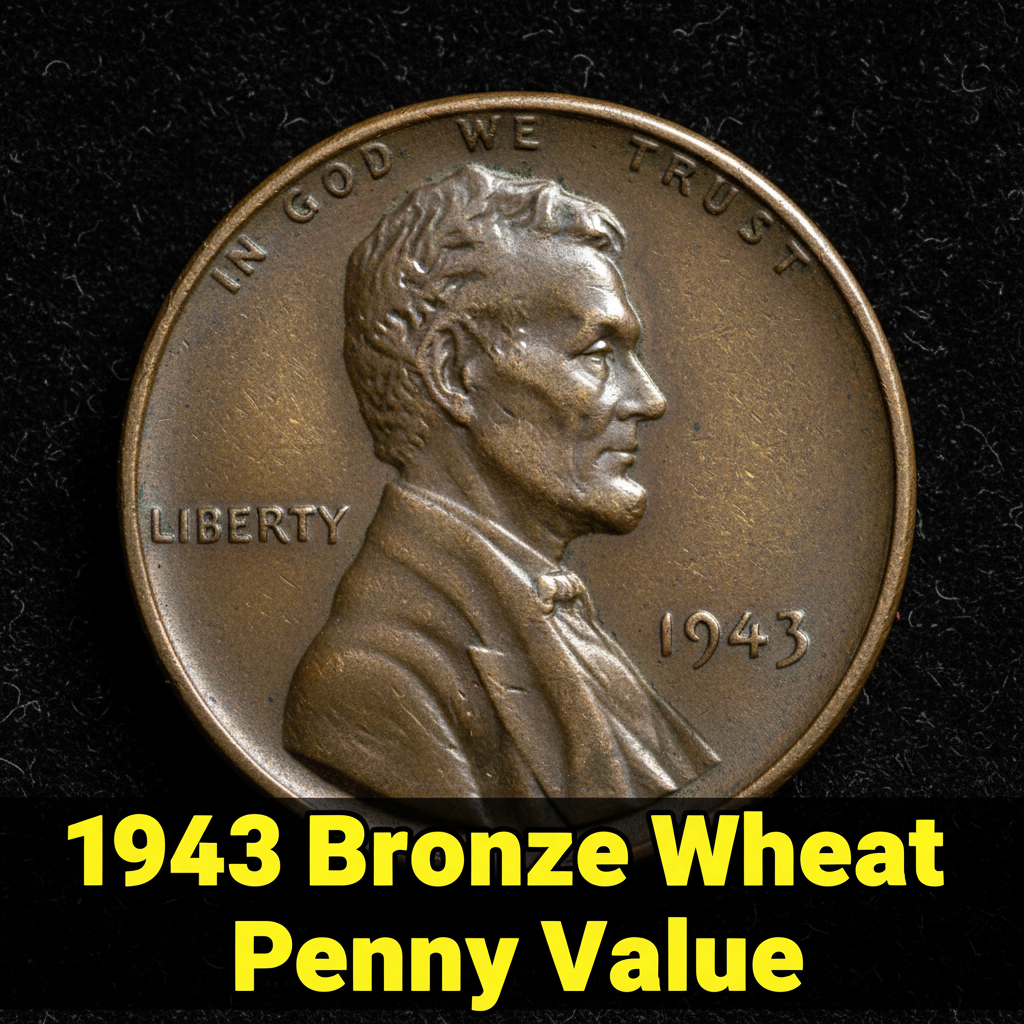
1943 Bronze Wheat Penny Value What This Rare Wartime Coin Is Really Worth
The 1943 Bronze Wheat Penny is one of the most fascinating and valuable coins in American history, worth anywhere from $100,000 to over $1 million depending on the mint mark and condition. If you’ve stumbled across what looks like a copper penny dated 1943, you may be holding a genuine numismatic treasure.
Most people have heard that 1943 pennies are supposed to be silver-colored steel coins. That’s because during World War II, the U.S. Mint switched from copper to zinc-coated steel to conserve copper for the war effort. But a small number of bronze planchets — the metal discs used to strike coins — were accidentally left in the coin presses, and a few 1943 pennies ended up struck in bronze instead of steel. These rare mistakes became some of the most sought-after coins in American collecting history.
If you think you might have one, the first smart move is to use a free coin identifier app to get an instant read on what you’re looking at. Apps like CoinKnow can scan your coin using your phone’s camera and quickly tell you whether you’re looking at something common or genuinely rare. It’s a great starting point before you take the coin to a professional.
—
Why the 1943 Bronze Penny Exists and Why It’s So Rare
The story behind the 1943 Bronze Wheat Penny is one of happy accidents. In late 1942, the Mint prepared to switch to steel planchets for the 1943 production run. However, a handful of leftover bronze planchets from 1942 remained in the hoppers of the coin presses. When production started on January 1, 1943, these stray bronze discs were inadvertently struck with the 1943 dies, creating what would become the rarest Lincoln cents ever made.
Estimates suggest that fewer than 30 examples exist across all three mints — Philadelphia, Denver, and San Francisco. The Philadelphia version (no mint mark) appears to be the most common of the three, with perhaps 10 to 15 known specimens. The 1943-D Bronze penny from Denver and the 1943-S Bronze penny from San Francisco are even scarcer. Because of this extreme rarity, the 1943 Bronze Wheat Penny value skyrockets far beyond typical coin values, making even a heavily worn example worth six figures at auction.
—
How to Tell If Your 1943 Penny Is Bronze or Steel
Before you get too excited, it’s important to confirm whether your coin is actually bronze. The easiest test is a magnet. Steel is magnetic; bronze is not. If a magnet sticks to your 1943 penny, it’s a regular steel cent worth only a few cents to a couple of dollars. If the magnet does not stick, that’s your first encouraging sign.
Next, look at the color. A genuine 1943 Bronze Wheat Penny should have the warm reddish-brown tone of copper, while steel cents are silver or gray. Weigh the coin if you can — a bronze Lincoln cent weighs about 3.11 grams, while the steel version weighs about 2.70 grams. Even small differences matter here.
Be aware that altered dates also exist. Some dishonest people have shaved the tail of an “8” on a 1948 penny to make it look like a “3.” Examining the date under magnification will reveal whether the number looks natural or tampered with. Always rely on a certified professional or a trusted tool like CoinKnow to help you authenticate your find before drawing conclusions.
—
1943 Bronze Wheat Penny Value by Condition and Mint Mark
The 1943 Bronze Wheat Penny value varies dramatically depending on where it was minted and its current condition. Here’s a general overview of what these coins have sold for:
| Mint Mark | Good (G-4) | Fine (F-12) | MS-63 | MS-65+ |
|---|---|---|---|---|
| 1943 (Philadelphia) | $100,000+ | $200,000+ | $400,000+ | $1,000,000+ |
| 1943-D (Denver) | $200,000+ | $400,000+ | $600,000+ | $1,400,000+ |
| 1943-S (San Francisco) | $150,000+ | $300,000+ | $500,000+ | $1,100,000+ |
For detailed 1943 Bronze Wheat Penny price data across all grades and mint marks, it’s worth reviewing certified auction records to get a current picture of the market.
—
What to Do If You Think You Have One
Don’t clean it. Don’t polish it. Don’t scrub it with anything. One of the most common mistakes coin finders make is trying to clean up an old coin to make it look better. Cleaning a coin destroys its surface luster and can reduce its value by thousands — or in this case, hundreds of thousands — of dollars.
Instead, handle the coin by its edges, store it in a soft coin flip or holder, and contact a professional grading service like PCGS or NGC. These organizations will authenticate your coin, grade its condition, and certify it with a sealed holder that protects it and adds credibility for future buyers or auction houses.
You can also explore additional 1943 penny value information including the steel cent comparison to better understand the difference between what you might have found and the common steel version. Knowledge is your best tool here. And don’t forget — CoinKnow is available as a convenient mobile app to help you identify and research coins on the go, right from your pocket.
—
FAQ
Q: How do I know if my 1943 penny is worth a lot of money?
A: Start with the magnet test. If your 1943 penny does not stick to a magnet, it may be bronze and potentially very valuable. You should then weigh it and have it professionally authenticated by PCGS or NGC before making any decisions.
Q: Are there fake 1943 bronze pennies out there?
A: Yes, unfortunately. The most common fakes are 1948 pennies with the “8” altered to look like a “3,” and copper-plated steel cents. A professional grader can spot these immediately. Apps like CoinKnow can also help flag suspicious coins and guide you toward proper authentication steps.
Q: What is the most valuable 1943 bronze penny ever sold?
A: A 1943-D Bronze Lincoln Cent graded MS-64 by PCGS sold at auction for approximately $1.7 million in 2021, making it one of the highest prices ever paid for a Lincoln cent. Values continue to climb as these coins become more recognized among serious collectors.