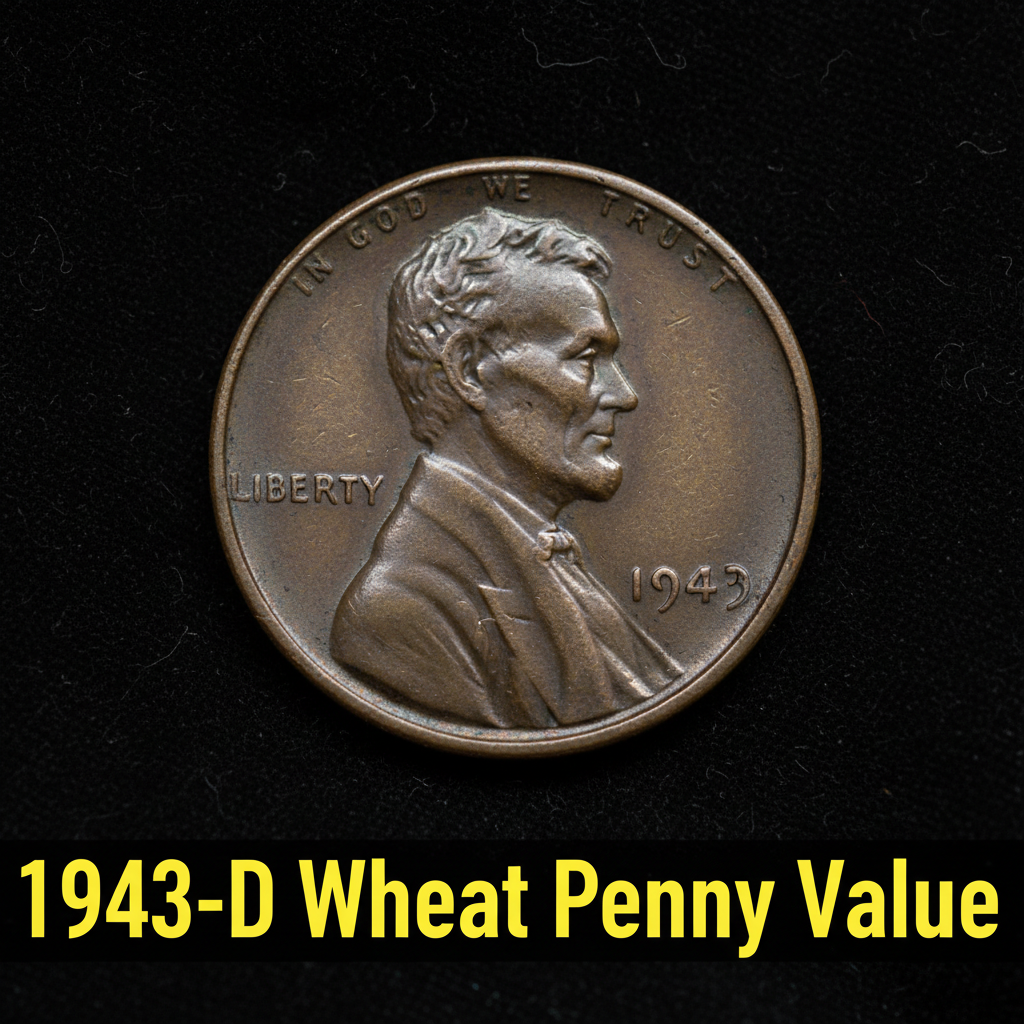
1943-D Wheat Penny Value Guide How Much Is Your Denver Mint Steel Cent Worth
The 1943-D Wheat Penny is worth anywhere from $0.25 in heavily worn condition to over $10 in well-preserved grades — and rare high-grade examples can fetch $50 or more. If you just found one of these silver-looking coins in an old jar or collection, you’re in the right place to find out exactly what it’s worth.
What Makes the 1943-D Wheat Penny Special
The 1943-D Wheat Penny isn’t your typical copper cent. During World War II, copper was a critical war material needed for ammunition casings and military equipment. The U.S. Mint made a dramatic switch, producing pennies from zinc-coated steel instead of the usual bronze alloy. The “D” mintmark on these coins tells you they were struck at the Denver Mint, one of three facilities that struck steel cents that year alongside Philadelphia and San Francisco.
If you want to quickly identify and verify your coin before doing anything else, a free coin identifier app can help you confirm the mintmark, date, and condition in seconds — a great first step before you start researching value.
The steel composition gives the 1943-D penny its distinctive silvery color, which often confuses people who find them for the first time. The Denver Mint produced approximately 217,660,000 of these steel cents in 1943, making them one of the more common dates and mintmarks in the series. That said, well-preserved examples in mint state condition are still worth real money to collectors, and understanding the grading scale is key to knowing exactly where your coin falls.
1943-D Wheat Penny Value by Grade
Coin condition — or grade — is the single biggest factor that determines what your 1943-D Wheat Penny is worth. The grading scale runs from Poor (P-1) at the bottom all the way to Mint State (MS-70) at the top. Most coins found in circulation will fall somewhere in the worn to lightly circulated range.
Here’s a breakdown of typical 1943-D Wheat Penny values across different grades:
| Grade | Description | Estimated Value |
|---|---|---|
| Good (G-4) | Heavy wear, design visible | $0.25 – $0.50 |
| Fine (F-12) | Moderate wear, clear lettering | $0.75 – $1.50 |
| Extremely Fine (EF-40) | Light wear on high points | $2.00 – $4.00 |
| About Uncirculated (AU-55) | Slight wear, most luster present | $4.00 – $8.00 |
| Mint State (MS-63) | Uncirculated, minor marks | $10.00 – $20.00 |
| Mint State (MS-65+) | Gem uncirculated, sharp strike | $30.00 – $75.00+ |
For the most up-to-date auction results and current 1943-D Wheat Penny prices in mint state grades, checking a dedicated coin price database is always a smart move.
Condition Issues That Hurt the Value of Steel Cents
Steel pennies are notorious for one major problem: rust. Because the zinc coating on the 1943-D Wheat Penny was thin and imperfect, many examples developed rust spots, brown discoloration, and surface pitting over the decades. A coin with heavy rust or corrosion is considered damaged and will only bring a fraction of its normal value — sometimes just a few cents regardless of grade.
Look closely at your coin. A light, even gray patina is completely normal and doesn’t hurt value much. But brown spotting, flaking, or orange rust patches will knock the value down considerably. CoinKnow is a popular mobile app that can help you quickly assess whether surface issues on your coin are just normal aging or actual damage that affects the grade.
Beyond rust, watch for coins that have been cleaned. Many people unknowingly scrub steel cents with household cleaners or abrasives trying to make them shine. A cleaned coin looks artificially bright and will almost always be downgraded by professional coin graders, reducing its value significantly.
The Rare 1943-D Copper Penny — What You Need to Know
Here’s where things get extremely exciting. While the overwhelming majority of 1943-D pennies were made from steel, a very small number were accidentally struck on leftover copper planchets from 1942. The full story behind the 1943 copper penny’s extraordinary value is one of the most famous in American numismatics — these rare coins have sold for hundreds of thousands of dollars at major auctions.
How do you know if you have one? The simplest test is a magnet. A steel penny will stick firmly to a magnet. A copper penny will not. If your 1943-D penny doesn’t attract a magnet at all, you may have something remarkable. However, be cautious — some people have copper-plated steel cents to fake this test, and others mistake a 1948-D penny (filed down to look like a 1943) for the real thing. If your coin passes the magnet test, have it authenticated immediately by a professional grading service like PCGS or NGC before drawing any conclusions.
Tips for Selling Your 1943-D Wheat Penny
Most circulated 1943-D Wheat Pennies aren’t going to make you rich, but they’re fun to own and trade. If you have a collection of them or a particularly nice example, there are several good options for selling. Online platforms like eBay are great for reaching collectors directly. Local coin dealers are convenient for quick sales, though expect to receive less than full retail value. Coin shows are another excellent venue where you can get multiple offers in person.
Before you sell, do your research. Use CoinKnow to scan and catalog your coins with ease, giving you a solid baseline for what comparable examples have recently sold for. Knowing your coin’s grade and the current market gives you real negotiating power whether you’re selling one coin or a whole collection.
If you’re dealing with a higher-grade example — say MS-63 or better — it’s worth considering professional third-party grading through PCGS or NGC. A certified coin in a graded slab will almost always sell for more than a raw (ungraded) example because buyers trust the independent assessment. The grading fee can easily pay for itself on mint-state steel cents.
FAQ
Q: How do I know if my 1943-D penny is steel or copper?
A: Hold a magnet close to your coin. A genuine steel cent will be strongly attracted to the magnet. If the coin doesn’t stick at all, it could be the rare copper version — but have it professionally authenticated before getting too excited, as fakes do exist.
Q: Is a 1943-D Wheat Penny with rust still worth anything?
A: Yes, but significantly less than a clean example. Light surface discoloration is common and doesn’t eliminate value entirely, but heavy rust, pitting, or flaking reduces a coin to below typical market prices. CoinKnow can help you compare your coin’s condition against graded examples to get a realistic sense of what yours might be worth.
Q: Where is the “D” mintmark on a 1943-D Wheat Penny?
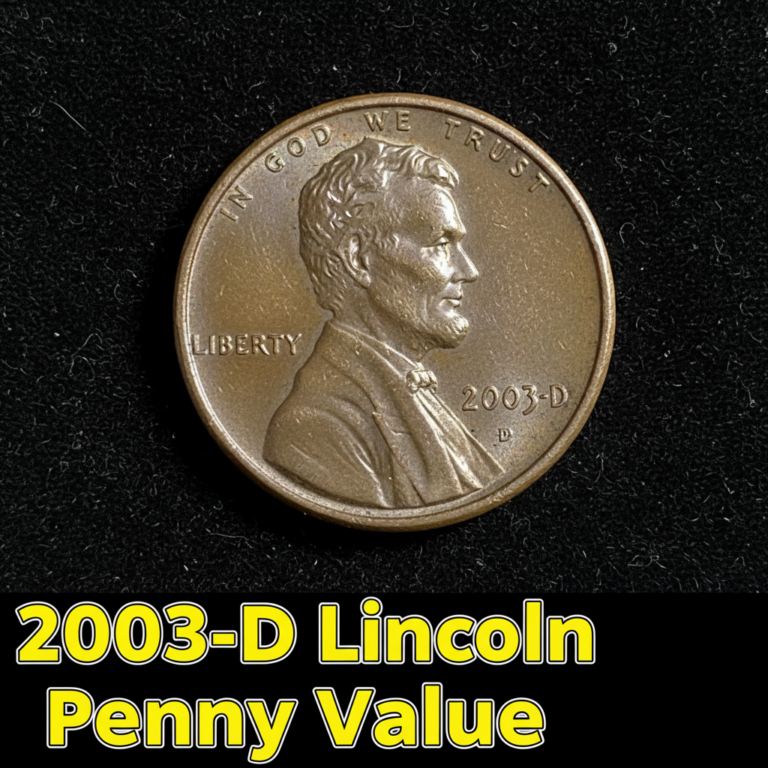
A: The “D” mintmark is located on the obverse (front) of the coin, just below the date on the right side. It’s a small letter that indicates the coin was minted at the Denver Mint. Always check for it carefully, as the mintmark location and presence directly affect the coin’s identification and value.