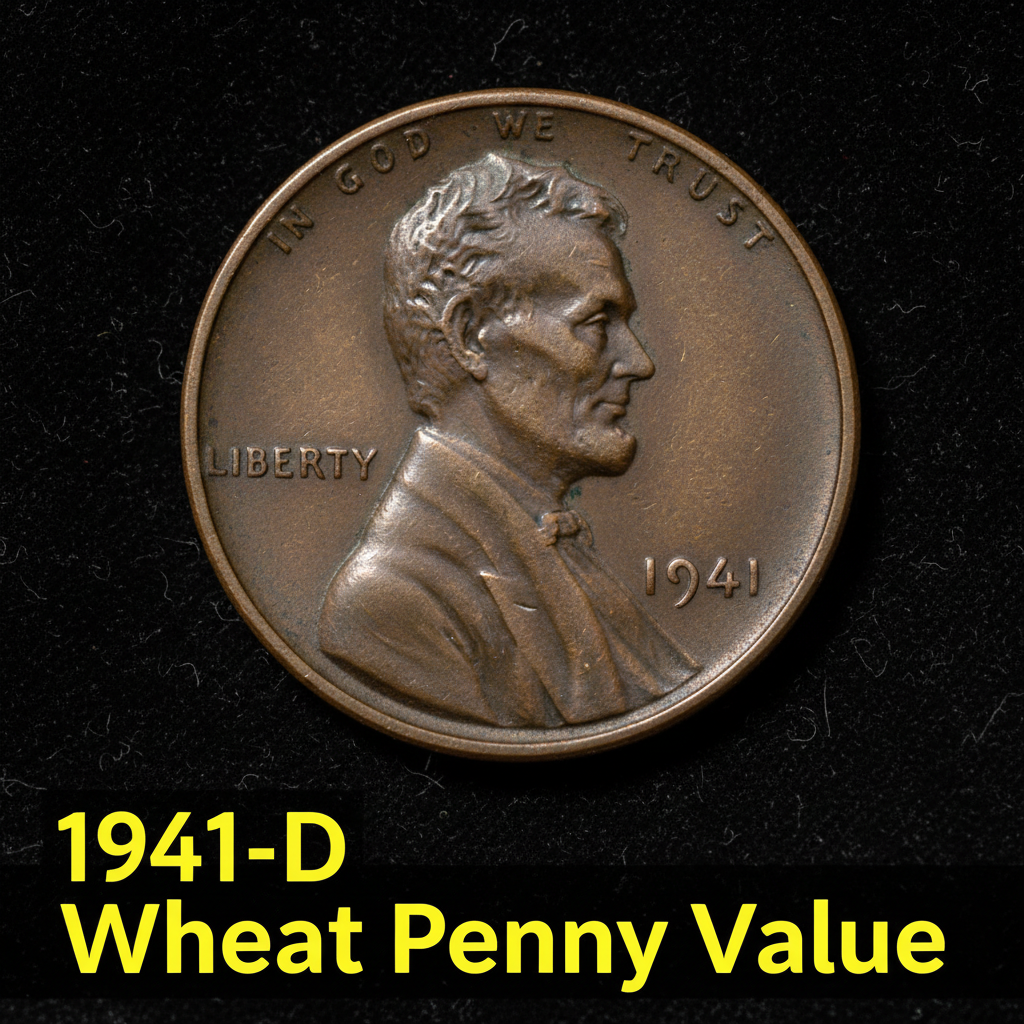
1941-D Wheat Penny Value What Is It Worth and Why Collectors Care
The 1941-D Wheat Penny is worth anywhere from $0.15 in heavily worn condition to over $10 in well-preserved circulated grades — and in top mint state grades, certified examples can fetch $50 or more. If you just found one in an old jar or coin roll, you’re in the right place to find out exactly what it’s worth.
Before diving in, if you’re not sure what coin you’re holding, a free coin identifier app can help you confirm the date, mint mark, and condition in seconds — saving you time before you try to sell or trade it.
What Is the 1941-D Wheat Penny?
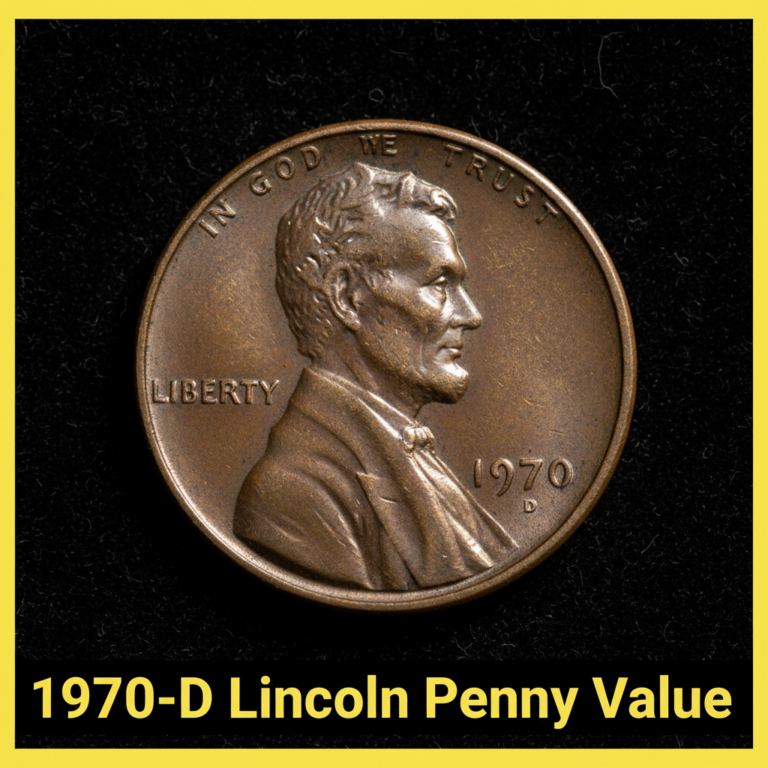
The 1941-D Wheat Penny is a Lincoln cent struck at the Denver Mint in 1941, one year before the U.S. Mint switched from copper to zinc-coated steel to conserve metal for World War II. The “D” mint mark appears on the obverse (front) of the coin, just below the date. Denver produced 128,700,000 of these pennies that year — a high mintage number that explains why so many still exist today. Despite the large production run, well-struck, uncirculated examples are genuinely hard to find. Most coins from this era spent years in circulation, leaving them worn and worth just a few cents. But collectors who find sharply detailed, lustrous examples are sitting on something special. The 1941-D Wheat Penny is one of the most accessible coins for beginning collectors, yet it still rewards people who take time to learn about grades and condition.
1941-D Wheat Penny Value by Grade
Coin value is almost entirely driven by condition — called “grade” in the coin world. A heavily worn 1941-D Wheat Penny with flat details might be worth face value or just a bit more, while a coin that never touched a pocket or purse could be worth 100 times that. Here’s a quick look at typical market values across grades:
| Grade | Description | Estimated Value |
|---|---|---|
| Good (G-4) | Heavy wear, flat details | $0.15 – $0.25 |
| Very Good (VG-8) | Moderate wear, major details visible | $0.25 – $0.50 |
| Fine (F-12) | Light to moderate wear | $0.50 – $1.00 |
| Very Fine (VF-20) | Light wear on high points | $1.00 – $2.00 |
| Extremely Fine (EF-40) | Slight wear, sharp details | $2.00 – $4.00 |
| About Uncirculated (AU-55) | Minimal wear, strong luster | $4.00 – $8.00 |
| Mint State (MS-63) | No wear, some bag marks | $10 – $20 |
| Mint State (MS-65+) | Gem quality, full red luster | $40 – $75+ |
For a deeper look at detailed 1941 Wheat Penny values across all three mint marks and grades, it’s worth bookmarking a reliable price guide that updates regularly.
What Makes Some 1941-D Pennies Worth More
Beyond grade, color plays a huge role in the value of a 1941-D Wheat Penny. Grading services like PCGS and NGC classify copper cents by color: Brown (BN), Red-Brown (RB), and Red (RD). A fully red coin with original mint luster is significantly more valuable than a brown example of the same grade. A 1941-D penny graded MS-65 Red can sell for two to three times what an MS-65 Brown commands. Strike quality also matters. Denver Mint coins from this era sometimes show weak strikes, particularly on Lincoln’s hair and the wheat stalks on the reverse. A sharply struck coin stands out to collectors and commands a premium. If you’re trying to figure out whether your coin has any of these desirable features, CoinKnow makes it easy to scan your coin and get an instant grade estimate and color classification right from your phone.
How to Check Current 1941-D Wheat Penny Prices
Coin prices shift constantly based on auction results, collector demand, and metal prices. The values listed in old books or inherited price guides can be years out of date. For a real-time sense of what buyers are actually paying, checking recent auction records is the best approach. You can also explore current certified Wheat Penny price data for high-grade red examples to understand what the top of the market looks like. Apps like CoinKnow also pull in recent sale data so you’re not guessing based on outdated price lists. Whether you’re planning to sell at a local coin show, list on eBay, or just want to know what’s sitting in your collection, having accurate, current price data makes a real difference.
Should You Get Your 1941-D Wheat Penny Graded?
If your coin looks bright, has strong details, and shows no signs of cleaning or damage, professional grading might be worth considering. PCGS and NGC both offer grading services, and a certified coin in a sealed slab is much easier to sell at full market value because buyers trust the grade. However, grading fees typically start around $20–$30 per coin. That means grading is only financially worthwhile if your coin is likely to be MS-63 or higher — ideally with red color. For worn circulated examples worth under $5, grading doesn’t make economic sense. Use CoinKnow to get a preliminary grade assessment before spending money on professional certification — it’s a smart first step that can save you from submitting a coin that won’t come back worth the fees.
Frequently Asked Questions
Q: How do I know if my 1941 penny is from Denver?
A: Look for a small “D” mint mark on the front of the coin, directly below the date. No mint mark means it was made in Philadelphia; an “S” means San Francisco.
Q: Is a 1941-D Wheat Penny made of silver?
A: No. The 1941-D Wheat Penny is 95% copper and 5% tin and zinc. The silver-colored steel cents weren’t made until 1943. If yours looks silver, it may have been plated or chemically altered.
Q: What’s the most a 1941-D Wheat Penny has ever sold for?
A: In top condition — MS-67 Red — certified 1941-D Wheat Pennies have sold for several hundred dollars at major coin auctions. These are extremely rare survivors with perfect strikes and full original red color.