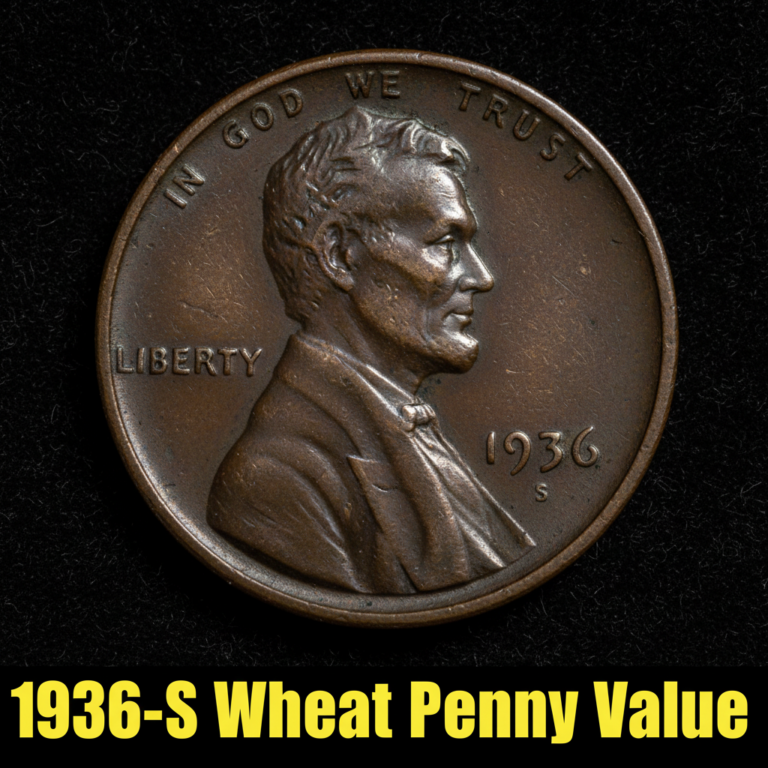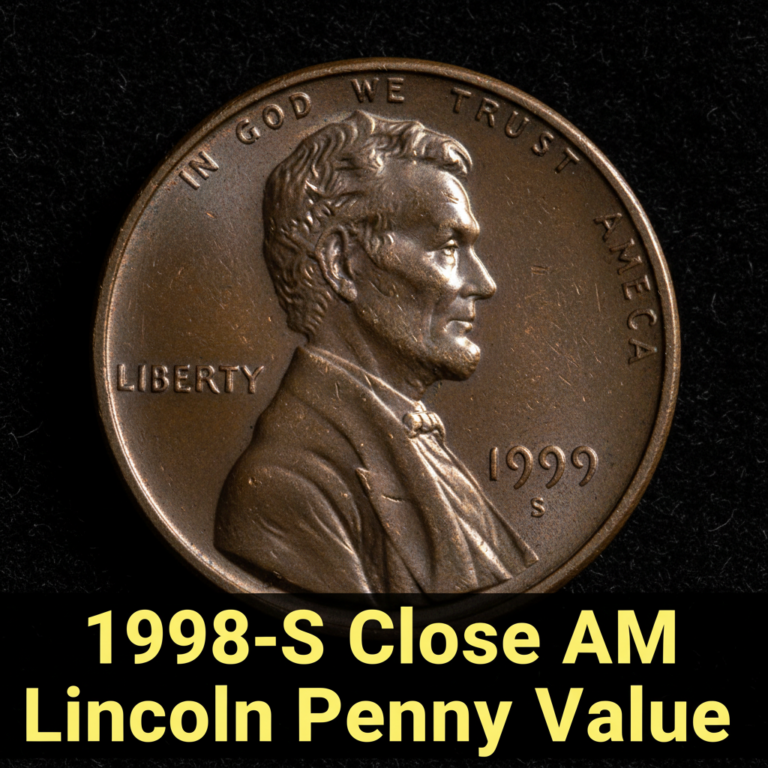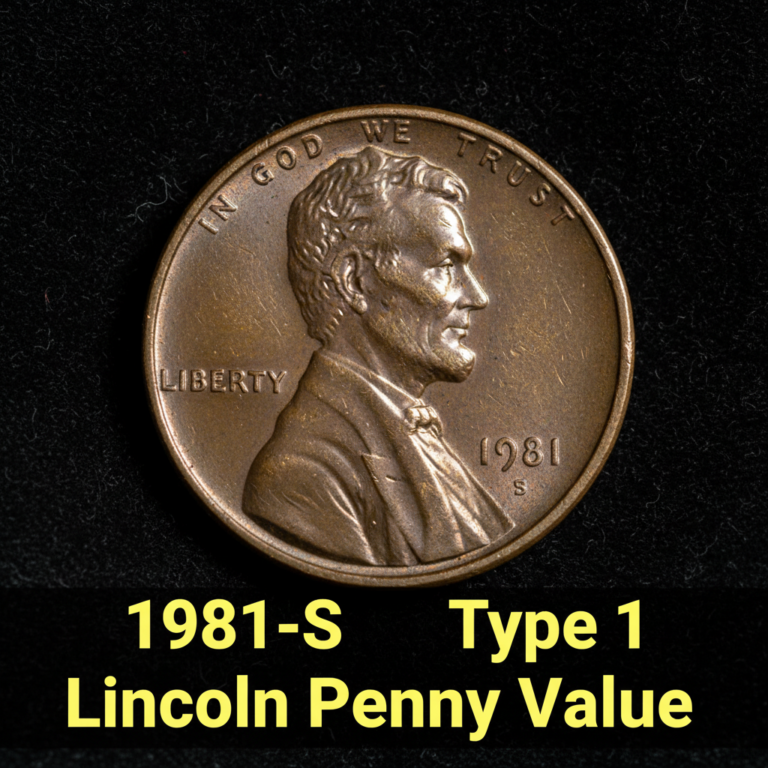
2006 Lincoln Penny Value No Mint Mark and What It’s Worth Today
The 2006 Lincoln Penny with no mint mark is worth anywhere from 1 cent in circulated condition to around $5 or more in certified mint state grades. Most examples you’ll find in your pocket change are worth face value, but high-grade specimens can surprise you.
If you’ve recently found a 2006 penny and want to know whether it’s worth keeping, you’re in the right place. Many everyday coin hunters overlook modern pennies, assuming they have no value beyond face value. But condition, errors, and grade can all change the picture. A great starting point is using a free coin identifier app to quickly assess what you have before diving deeper into research.
What Is the 2006 Lincoln Penny No Mint Mark?
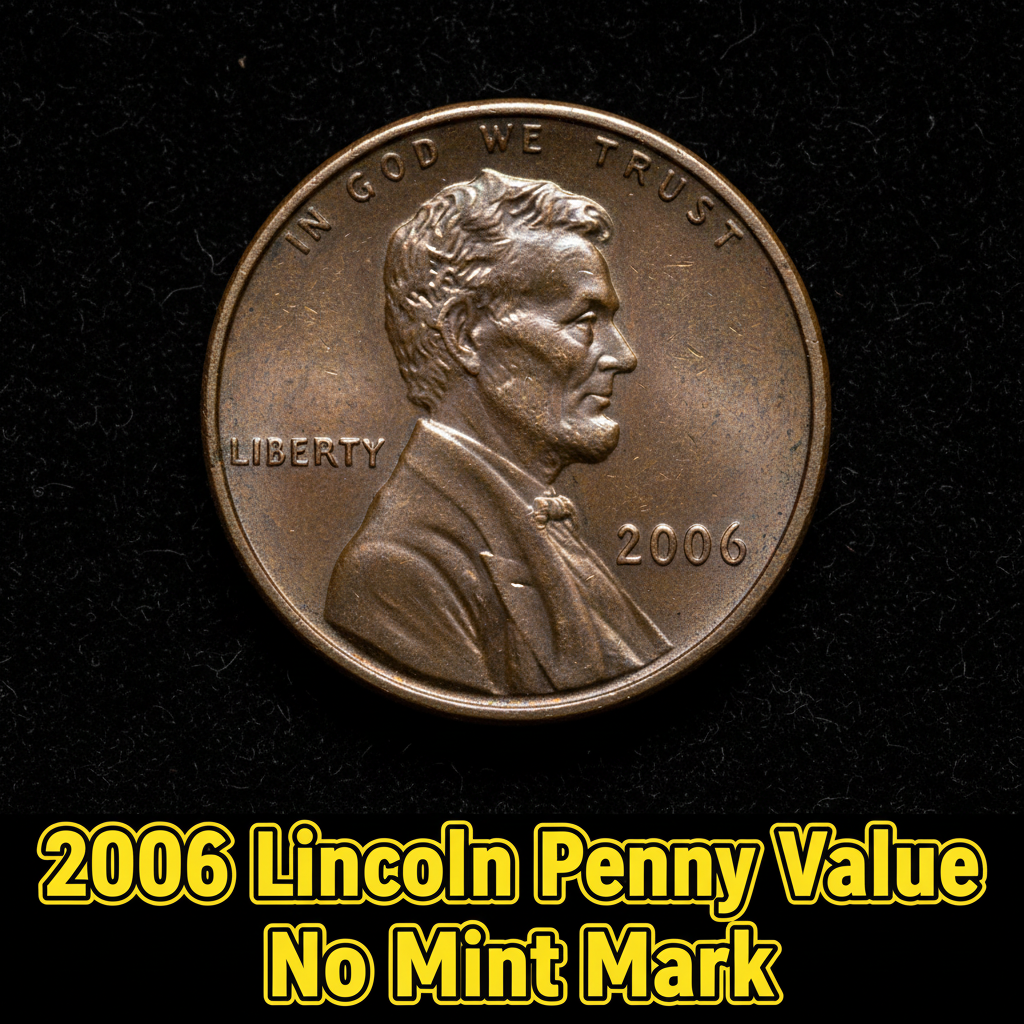
The 2006 Lincoln Penny with no mint mark was struck at the Philadelphia Mint. By tradition, Philadelphia does not place a mint mark on its cents, which is why you’ll see “2006” on the obverse with no letter beneath the date. This is completely normal and does not make the coin rare on its own.
In 2006, the Philadelphia Mint produced over 4.2 billion Lincoln cents for circulation. That massive production run means these coins are extremely common in worn grades. The design still features Victor David Brenner’s classic portrait of Abraham Lincoln on the obverse, and the Lincoln Memorial reverse that was used from 1959 through 2008. The coin is made of copper-plated zinc, a composition that has been in use since 1982.
2006 Lincoln Penny No Mint Mark Value by Grade
The value of your 2006 penny depends heavily on its condition. Coin collectors use a numeric scale called the Sheldon Scale, ranging from 1 (Poor) to 70 (Perfect Mint State). Here’s a simple breakdown of what the 2006 Lincoln Penny no mint mark is generally worth across different grades:
| Grade | Condition | Estimated Value |
|---|---|---|
| G-4 to VF-30 | Circulated (worn) | Face value ($0.01) |
| MS-60 to MS-63 | Mint State (lower) | $0.10 – $0.50 |
| MS-64 to MS-65 | Mint State (choice) | $0.50 – $2.00 |
| MS-66 | Mint State (gem) | $2.00 – $5.00 |
| MS-67 and above | Superb Gem | $10.00+ |
For a more detailed look at certified MS-RD grade prices for the 2006 Lincoln Penny, it’s worth checking current auction records since values shift over time.
Red, Brown, and RB — Why Color Matters on Modern Cents
One thing many new collectors don’t realize is that copper-plated zinc cents are graded not just by grade number but also by color designation. A coin that retains its original mint red luster receives an “RD” (Red) designation, which commands the highest premium. Coins that have partially toned receive “RB” (Red-Brown), and fully toned pieces are labeled “BN” (Brown).
For the 2006 Lincoln Penny no mint mark, an MS-66 RD example is worth considerably more than an MS-66 BN. This is why storage matters. Coins kept in airtight holders or original Mint rolls are far more likely to retain their red surfaces. If you’re serious about collecting high-grade modern cents, CoinKnow is a helpful tool that can guide you through understanding color designations and how they affect the overall value of your coins.
Error Coins That Can Make Your 2006 Penny Worth More
While the standard 2006 Lincoln Penny no mint mark is common, error coins are another story. Certain production mistakes can make a penny worth far more than face value. The most notable errors to look for include:
– Double Die Obverse (DDO): Look for doubling in Lincoln’s eye, the date, or the lettering “IN GOD WE TRUST.” A strong DDO can add significant value.
– Off-Center Strikes: If the design is noticeably shifted off-center, especially 20% or more while still showing the date, these can sell for $10 to $50 or more depending on the degree of error.
– Die Cap Errors and Broadstrikes: These are rarer but fetch strong collector interest.
Always examine both sides of your 2006 penny under good lighting and a magnifier before deciding it’s ordinary. You can also explore a comprehensive breakdown of 2006 penny values including error varieties to compare what you have against known examples.
CoinKnow is a great companion app for identifying these kinds of errors in the field, helping you understand exactly what you’re looking at without needing to visit a coin dealer right away.
Should You Keep or Spend Your 2006 Lincoln Penny?
For most circulated 2006 pennies with no mint mark, the honest answer is that they’re worth face value. With over 4 billion made, the supply far exceeds collector demand for ordinary examples. However, if your coin is uncirculated, shows a strong red color, grades MS-66 or higher, or shows evidence of a die error, it may be worth holding onto.
Getting your coin professionally graded by PCGS or NGC is worth considering if you believe you have an exceptional example. Certified high-grade modern cents do trade in the collector market. In the meantime, using tools like CoinKnow can give you a solid preliminary assessment before spending money on professional grading fees.
FAQ
Q: Is a 2006 penny with no mint mark rare?
A: No, the 2006 Lincoln Penny with no mint mark is not rare. Philadelphia struck over 4.2 billion of them. The absence of a mint mark is normal for Philadelphia-minted coins and does not add rarity or value on its own.
Q: What would make a 2006 no mint mark penny valuable?
A: High certified grades (MS-66 RD or better), confirmed die errors such as a double die obverse, or significant off-center strikes can make a 2006 penny worth more than face value. Ordinary circulated examples are worth only one cent.
Q: How can I tell if my 2006 penny is uncirculated?
A: An uncirculated coin will have no visible wear on the high points of Lincoln’s portrait, including the cheek and hair. It should also retain some degree of original luster. Comparing your coin to graded examples online or using a coin identification app can help you make that initial determination.