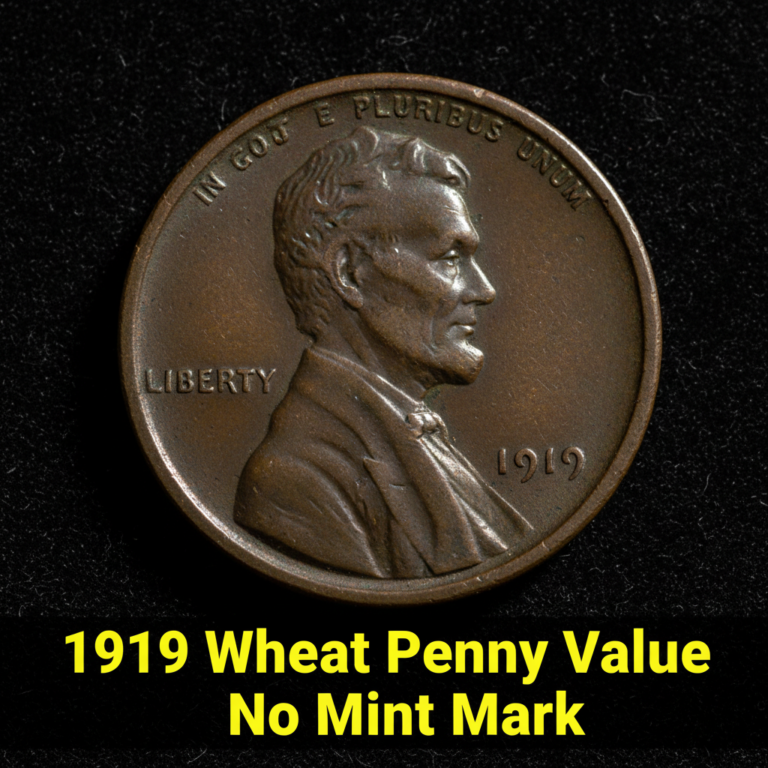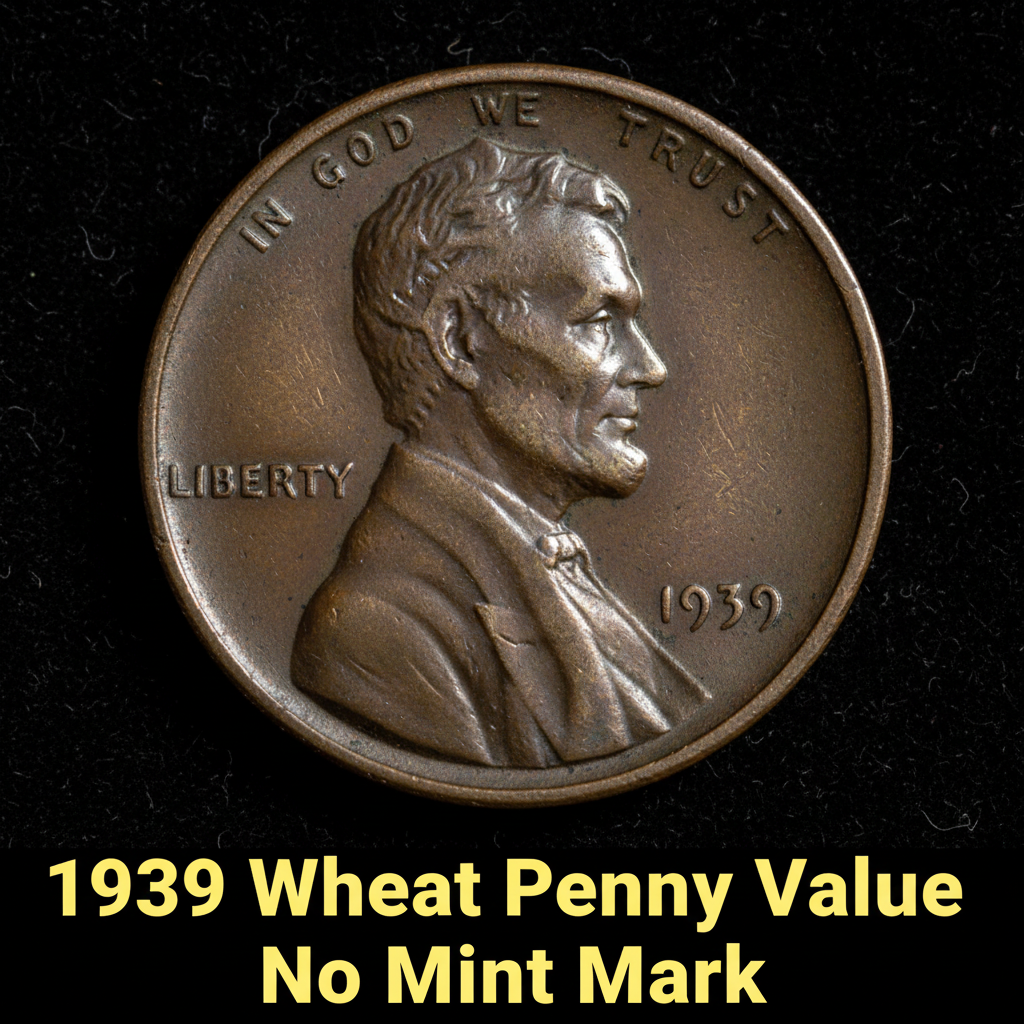
1939 Wheat Penny Value No Mint Mark and What It’s Worth Today
The 1939 Wheat Penny with no mint mark is worth anywhere from $0.10 in heavily worn condition to over $10 in uncirculated grades — and certain high-grade examples can fetch $25 or more at auction. If you just found one of these old Lincoln cents, you’re in the right place to find out exactly what it’s worth.
If you’re not sure whether the coin you’re holding is a 1939 Philadelphia Wheat Penny or something else, a free coin identifier app can help you confirm the details quickly before you dig into valuation. Once you know what you’ve got, read on — because condition is everything when it comes to these coins.
What Is the 1939 Wheat Penny No Mint Mark?
The 1939 Wheat Penny with no mint mark was struck at the Philadelphia Mint, which was the standard practice at the time — Philadelphia coins didn’t carry a mint mark until much later in the series. That year, the Philadelphia Mint produced an enormous 316,479,520 Lincoln Wheat cents, making this one of the most common dates in the entire Wheat Penny series. Because so many were made, most circulated examples are worth only a few cents above face value. However, uncirculated and high-grade examples are a different story entirely. The coin features Victor David Brenner’s iconic portrait of Abraham Lincoln on the obverse and the classic wheat stalks design on the reverse — a design that ran from 1909 to 1958. The 1939 issue is made of 95% copper and 5% tin and zinc, giving it that familiar reddish-brown color. While it’s not a rare coin, its age alone makes it an interesting find for anyone who comes across one in a jar of old change.
1939 Wheat Penny Value No Mint Mark by Grade
The most important factor in determining the value of your 1939 Wheat Penny is its condition, also called its grade. Coin collectors use a standardized grading scale from 1 to 70. Here’s a simple breakdown of what you can expect:
| Grade / Condition | Description | Estimated Value |
|---|---|---|
| Good (G-4) | Heavy wear, design visible | $0.10 – $0.25 |
| Fine (F-12) | Moderate wear, details clear | $0.25 – $0.50 |
| Extremely Fine (EF-40) | Light wear on high points | $1.00 – $2.00 |
| About Uncirculated (AU-58) | Slight wear, most luster intact | $2.00 – $5.00 |
| MS-63 Red (Uncirculated) | No wear, some marks | $8.00 – $15.00 |
| MS-65 Red (Gem) | Sharp strike, full red luster | $20.00 – $35.00+ |
For up-to-date auction results and certified coin sales, you can check the 1939 Wheat Penny MS Red price data to see exactly what these coins are selling for in top grades right now.
What Makes a 1939 Wheat Penny Worth More
Even though the 1939 no mint mark penny is common in worn grades, certain characteristics can boost its value significantly. First, color designation matters a lot in uncirculated coins. A coin graded “Red” (RD) retains most of its original mint-red copper color and commands the highest prices. A “Red-Brown” (RB) coin has partially toned and is worth somewhat less, while a “Brown” (BN) coin has fully toned to a darker hue and brings the lowest price among uncirculated examples. Strike quality is another factor — sharply struck coins with full details on Lincoln’s hair and the wheat stalks are more desirable. Rare error coins also exist in this series. A 1939 doubled die variety or an off-center strike can multiply the coin’s value many times over. Always examine your coin carefully under good lighting or a magnifier. Using CoinKnow to scan your coin can instantly reveal whether it matches any known error varieties or high-value types, saving you hours of research.
How to Sell Your 1939 Wheat Penny
If you’ve determined that your 1939 Wheat Penny no mint mark is in decent condition and you want to sell it, you have several good options. For common circulated examples worth less than a dollar, bulk selling through a coin dealer or at a local coin show is the most practical route. For uncirculated or high-grade coins, consider submitting to a professional grading service like PCGS or NGC — a certified grade dramatically increases buyer confidence and can yield a significantly higher sale price. Online platforms like eBay, Heritage Auctions, and Great Collections are also excellent for reaching serious buyers. Before you list or sell, do your homework on current market prices. The 1939 Penny value guide is a great resource to check recent retail values across all grades before you make any decisions. And if you want a fast, on-the-go estimate, CoinKnow gives you instant coin valuations right from your phone — no coin dealer required.
Is the 1939 Wheat Penny Worth Keeping?
Honestly, for most people who find a circulated 1939 Wheat Penny in average condition, its monetary value is modest. But there’s real sentimental and historical value in holding a coin that was minted over 85 years ago, during the final years before World War II changed everything. Whether you collect, sell, or simply keep it as a curiosity, it’s a tangible piece of American history. If you’re just getting started with coin collecting, tools like CoinKnow make it easy to catalog, identify, and track the value of every coin in your collection — all in one place.
FAQ
Q: How do I know if my 1939 penny has no mint mark?
A: Look on the obverse (heads side) of the coin, just below the date. If there’s no small letter (no “D” for Denver or “S” for San Francisco), it was minted in Philadelphia and carries no mint mark. This is the most common version of the 1939 Wheat Penny.
Q: Can a 1939 Wheat Penny no mint mark be worth hundreds of dollars?
A: In most cases, no — but exceptional examples do exist. A perfectly preserved MS-67 Red example certified by PCGS or NGC has sold for well over $100 at major auctions. Error coins, such as doubled dies or dramatic off-center strikes, can also reach premium prices regardless of grade.
Q: Should I clean my 1939 Wheat Penny to make it look better?
A: Absolutely not. Cleaning a coin — even with gentle methods — permanently damages the surface and destroys collector value. A naturally toned, uncleaned coin is always worth more to a serious buyer than one that has been polished or scrubbed. Leave it exactly as you found it.