1919 Wheat Penny Value No Mint Mark What It’s Worth and Why Collectors Love It
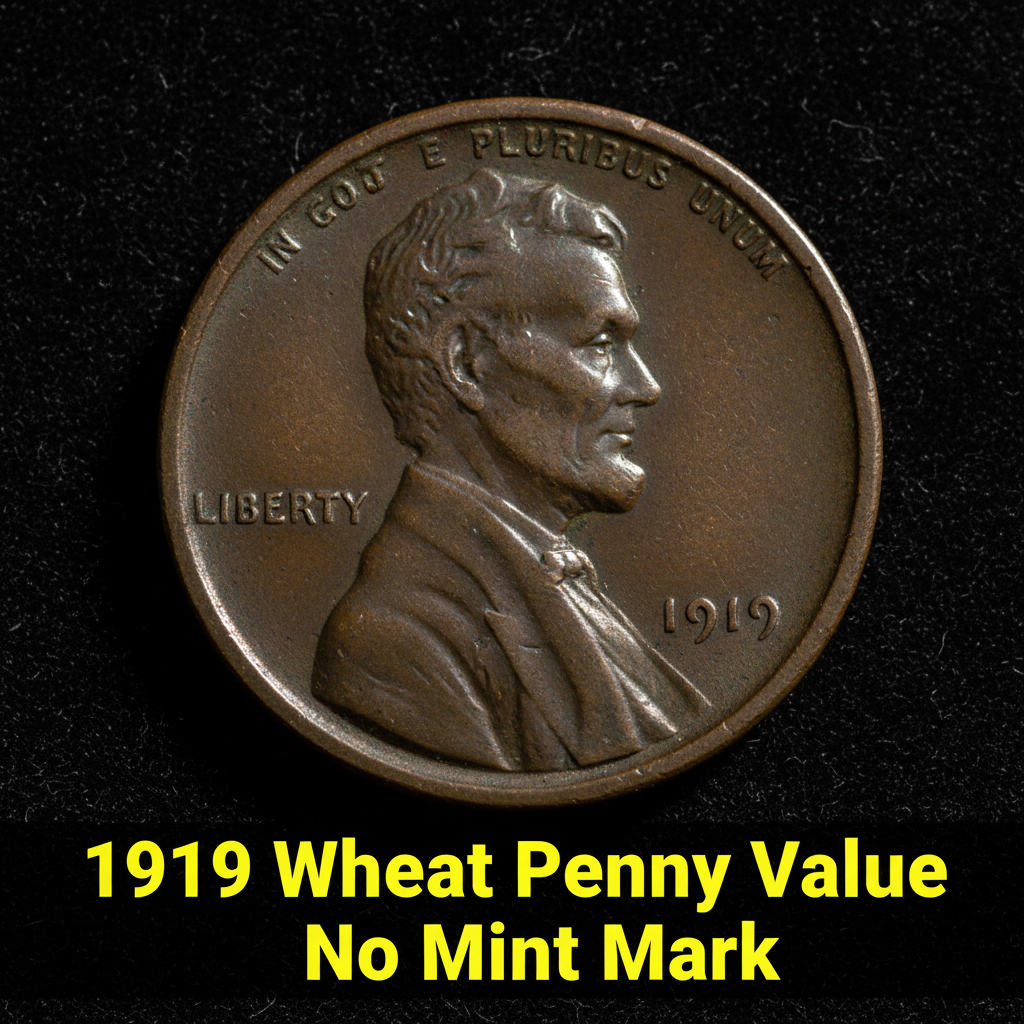
The 1919 Wheat Penny with no mint mark is worth anywhere from $0.25 in heavily worn condition to over $100 or more in high-grade mint state — and if you’ve found one in your change jar or grandparent’s coin collection, you might be sitting on a small but real treasure.
What Is the 1919 No Mint Mark Wheat Penny?
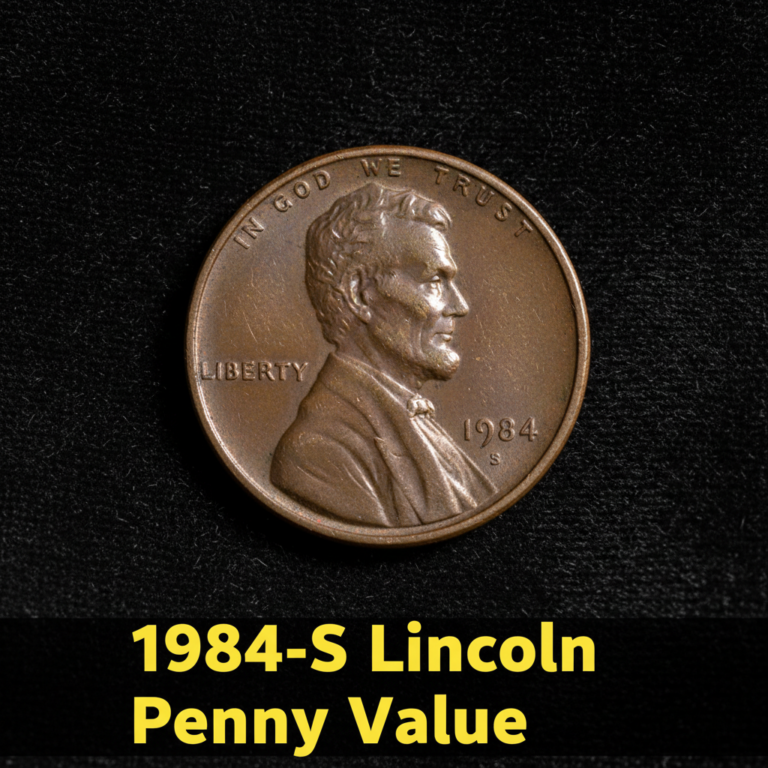
The 1919 Lincoln Wheat Penny was struck at the Philadelphia Mint, which is why it carries no mint mark. Back then, coins produced at Philadelphia didn’t include a “P” — that only became standard decades later. This coin features Abraham Lincoln on the obverse and two wheat stalks framing the words “ONE CENT” on the reverse. Over 392 million of these coins were minted in Philadelphia alone, making them relatively common — but condition is everything when it comes to value.
If you’re not sure whether the coin you found is a 1919 Wheat Penny or something else entirely, using a free coin identifier app is a great first step before spending time researching further. These tools can help you confirm the coin’s identity in seconds, right from your phone.
How Much Is the 1919 Wheat Penny Worth Today?
Value depends heavily on the coin’s grade — meaning how well it’s been preserved over the past 100+ years. A coin pulled from circulation and showing lots of wear is worth far less than one that was saved early and kept in good condition.
Here’s a general value breakdown for the 1919 no mint mark Wheat Penny:
| Grade | Condition Description | Estimated Value |
|---|---|---|
| Good (G-4) | Heavy wear, design visible | $0.25 – $0.50 |
| Fine (F-12) | Moderate wear, clear lettering | $1 – $2 |
| Extremely Fine (EF-40) | Light wear on high points | $5 – $10 |
| Mint State (MS-63) | Uncirculated, some marks | $35 – $55 |
| Mint State (MS-65 RD) | Full red luster, near perfect | $100 – $175+ |
For the most up-to-date auction results and certified coin prices, you can explore detailed 1919 Wheat Penny MS-RD price data across recent sales to get a realistic picture of what collectors are currently paying.
What Factors Affect the Value of a 1919 Penny?
Beyond just grade, a few other things can push a 1919 Wheat Penny’s value up or down significantly.
Color designation plays a big role for uncirculated coins. The PCGS and NGC grading services use three color labels: Brown (BN), Red-Brown (RB), and Red (RD). Full Red coins are the most desirable and command the highest premiums — sometimes two to three times what a brown example of the same grade would fetch.
Strike quality matters too. Some 1919 Philly Mint coins came out weakly struck, with soft details on Lincoln’s cheek and the wheat stalks. A sharply struck example is more valuable.
Cleaning is a major red flag. Many old pennies were polished or cleaned by well-meaning owners, which actually destroys the coin’s natural surface and significantly reduces its value to collectors. A problem-free, original-skin coin is always worth more.
Errors and varieties can also add value. If your 1919 penny shows a doubled die, off-center strike, or other visible anomaly, it may be worth considerably more than a standard example — sometimes hundreds of dollars depending on the severity.
How to Check the Value of Your 1919 Wheat Penny
If you want a quick, reliable way to understand what your coin might be worth, CoinKnow is one of the best tools available. CoinKnow uses smart image recognition to help you identify coins and get instant value estimates, making it perfect for everyday people who aren’t professional numismatists.
You can also check a comprehensive breakdown of what the 1919 penny is worth across all grades and mint marks to compare your coin’s condition with real value benchmarks.
Whether you use CoinKnow or another resource, the key is not to clean your coin, handle it only by the edges, and store it in a protective flip or holder to preserve its current condition.
Should You Get Your 1919 Wheat Penny Graded?
If your coin appears uncirculated or has a brilliant red surface, professional grading through PCGS or NGC might be worth the investment. Graded coins sell for more at auction and give buyers confidence in the coin’s authenticity and condition.
For circulated examples in Good to Fine condition, the cost of grading ($30–$50 per coin) typically outweighs the potential value gain. But for anything you suspect might grade MS-63 or higher, professional certification can dramatically increase both value and saleability.
—
FAQ
Q: Is a 1919 Wheat Penny with no mint mark rare?
A: Not especially. Over 392 million were minted at Philadelphia, so they’re commonly found. However, high-grade examples — especially those with full red luster — are genuinely scarce and valuable.
Q: How can I tell if my 1919 penny has been cleaned?
A: Look for unnatural brightness, hairline scratches from polishing, or a “washed out” appearance on the surfaces. Original uncleaned coins have a more subdued, natural patina. When in doubt, a professional grader can make the call.
Q: What’s the most valuable 1919 Wheat Penny ever sold?
A: A 1919 Lincoln Cent graded MS-67 RD by PCGS has sold at auction for over $3,000. These top-pop examples are extremely rare and represent the finest known specimens of the issue.