1871 Indian Head Penny Value What Is This Old Cent Really Worth
The 1871 Indian Head Penny is worth anywhere from $25 in heavily worn condition to well over $1,000 in mint state — and some high-grade examples have sold for thousands at auction. If you found one of these old cents in a jar, drawer, or inherited collection, you’re holding a genuinely valuable piece of American history.
Before we dive in, if you’re not sure exactly what coin you have, try using a free coin identifier app to confirm the date, mint mark, and condition before looking up values. It can save you a lot of guesswork.
—
Why the 1871 Indian Head Penny Is a Key Date Coin
Not all Indian Head Pennies are created equal. The 1871 issue is considered a semi-key date in the series, which means it was minted in relatively low numbers compared to other years. The Philadelphia Mint struck just 3,929,500 pennies that year — a modest figure when you compare it to the tens of millions produced in other years of the series.
Because fewer coins were made, fewer survived. And because the 1871 Indian Head Penny was struck during a time when coins were used hard in everyday commerce, finding one in decent shape is no easy task. That low mintage combined with genuine collector demand is exactly what pushes the value up. Whether you’re a seasoned collector or someone who just stumbled across an old cent, understanding why this coin commands a premium helps you appreciate what you’ve got.
The CoinKnow app is a great tool for quickly checking where your 1871 Indian Head Penny falls on the value scale based on its condition and current market trends.
—
1871 Indian Head Penny Value by Grade
Condition — or “grade” in coin collecting terms — is everything when it comes to determining what your penny is worth. A coin graded Good (G-4) looks noticeably worn, with most fine details faded. By the time you reach Extremely Fine (EF-40), the design is sharp and the coin shows only light wear on the high points. Mint State coins (MS-60 and above) were never circulated and look nearly as fresh as the day they were made.
Here’s a general value breakdown for the 1871 Indian Head Penny:
| Grade | Description | Estimated Value |
|---|---|---|
| Good (G-4) | Heavy wear, outline visible | $25 – $40 |
| Fine (F-12) | Moderate wear, some detail | $60 – $90 |
| Very Fine (VF-20) | Light to moderate wear | $120 – $175 |
| Extremely Fine (EF-40) | Light wear on high points | $250 – $350 |
| About Uncirculated (AU-50) | Slight wear, mostly sharp | $400 – $600 |
| Mint State (MS-63) | Uncirculated, minor marks | $900 – $1,400 |
| Mint State Red (MS-65 RD) | Gem quality, original red luster | $3,000+ |
For up-to-date auction records and certified coin sales, you can check out current 1871 Indian Head Penny prices in mint state red grades to see what top-condition examples are actually selling for right now.
—
What to Look for on Your 1871 Penny
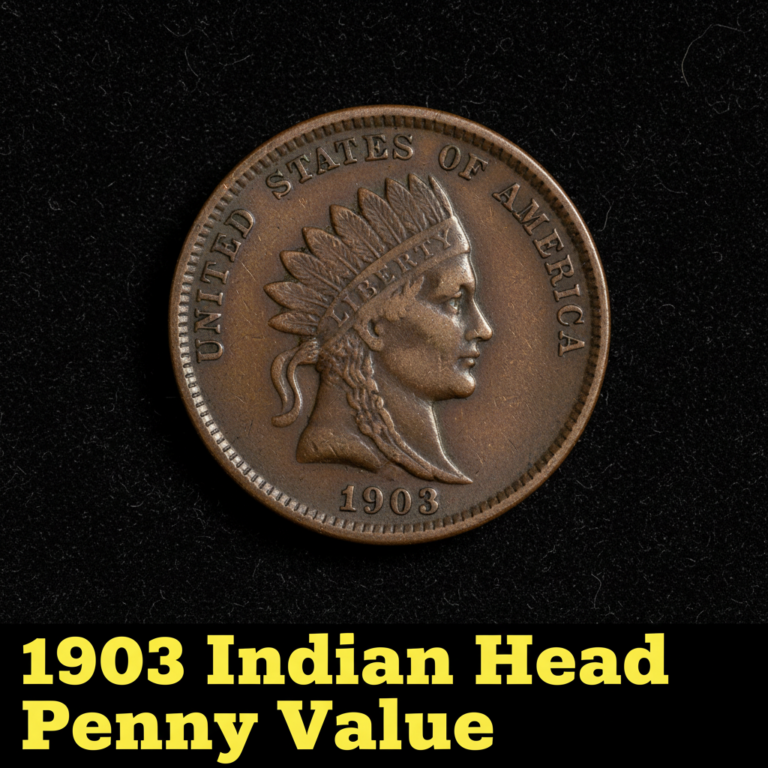
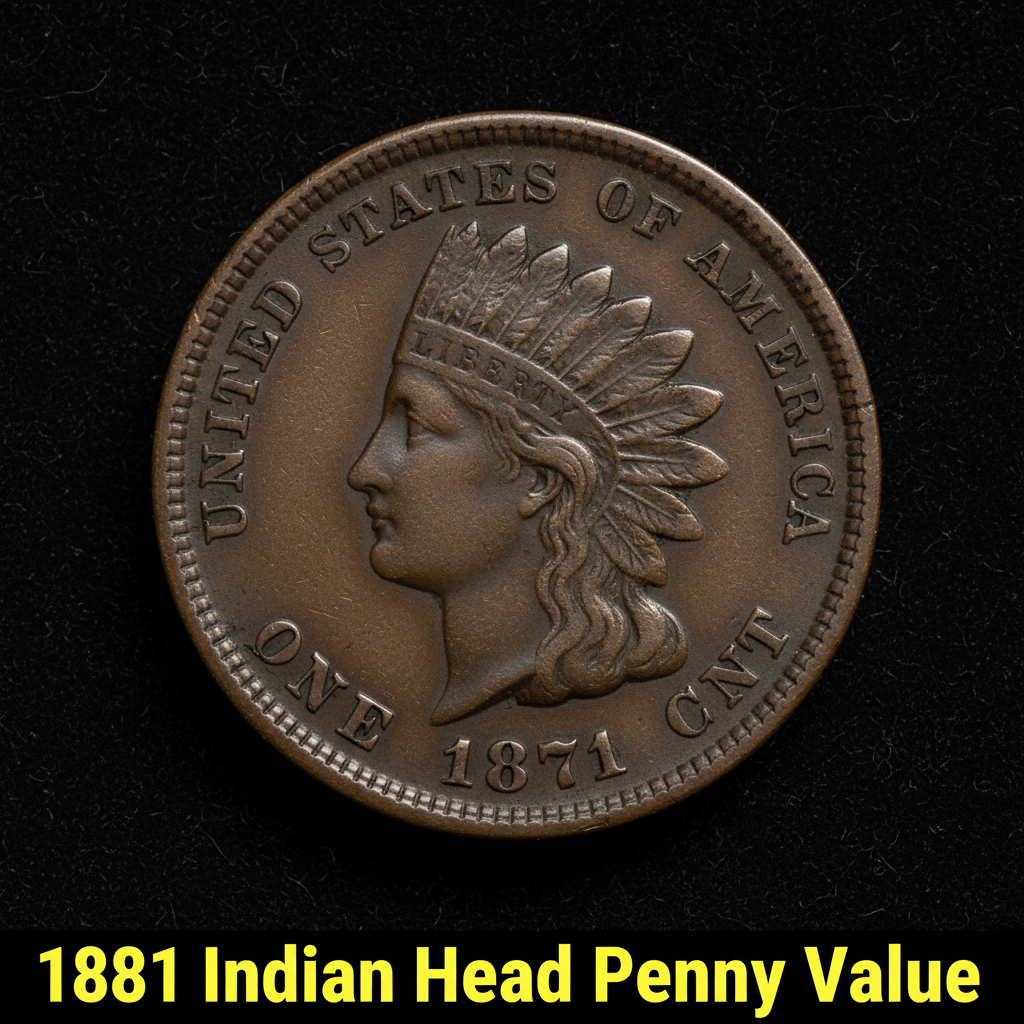
When examining your coin, start with the basics. On the obverse (heads side), you’ll see Lady Liberty wearing a feathered headdress — that’s the classic Indian Head design by James Barton Longacre. The date should clearly read 1871. On the reverse (tails side), look for the wreath of oak, arrows, and a shield at the top, surrounding the words ONE CENT.
Color matters too, especially for uncirculated coins. Collectors categorize copper coins as Red (RD), Red-Brown (RB), or Brown (BN). Red coins — those that have kept their original bright copper color — command the highest premiums. A mint state coin with full red luster can be worth many times more than an uncirculated brown example of the same grade.
Also check carefully for any cleaning or damage. Many old pennies were polished by well-meaning owners over the years, but a cleaned coin is worth significantly less than one with original surfaces, even if the cleaned one looks shinier.
—
How the 1871 Indian Head Penny Compares to Other Years
To put the 1871 value in context, it helps to compare it with nearby dates. Common-date Indian Head Pennies from the 1880s and 1890s can be worth just a few dollars in worn condition. The 1871, by contrast, starts at $25+ even in rough shape.
If you’re curious about values across the series, looking at how a later-date Indian Head Penny like the 1898 is valued gives you a useful comparison point — and shows just how much the 1871’s relative scarcity drives up its price.
The CoinKnow app lets you compare values across the entire Indian Head Penny series side by side, making it easy to see why some years fetch far more than others without having to dig through multiple sources.
—
FAQ
Q: Is a 1871 Indian Head Penny rare?
A: Yes, it’s considered a semi-key date in the Indian Head Penny series. With a mintage of under 4 million, it’s notably scarcer than most other years, which is why values start higher even for worn examples.
Q: What makes some 1871 Indian Head Pennies worth more than others?
A: Grade and color are the two biggest factors. A coin in mint state with original red copper color can be worth 50 to 100 times more than a heavily worn example of the same date. Coins with no cleaning or damage also bring stronger prices.
Q: Should I clean my 1871 Indian Head Penny before selling it?
A: No — please don’t. Cleaning a coin removes the natural patina and surface details that collectors value. A cleaned coin is almost always worth less than an unclean one in the same condition. If you want to know what you have, use CoinKnow or take it to a professional coin dealer for an assessment instead.