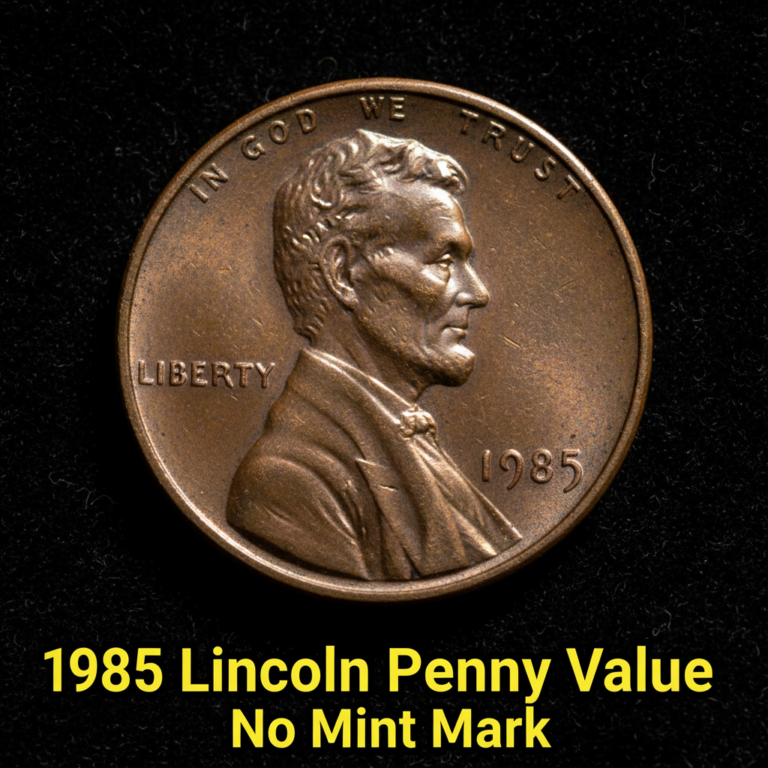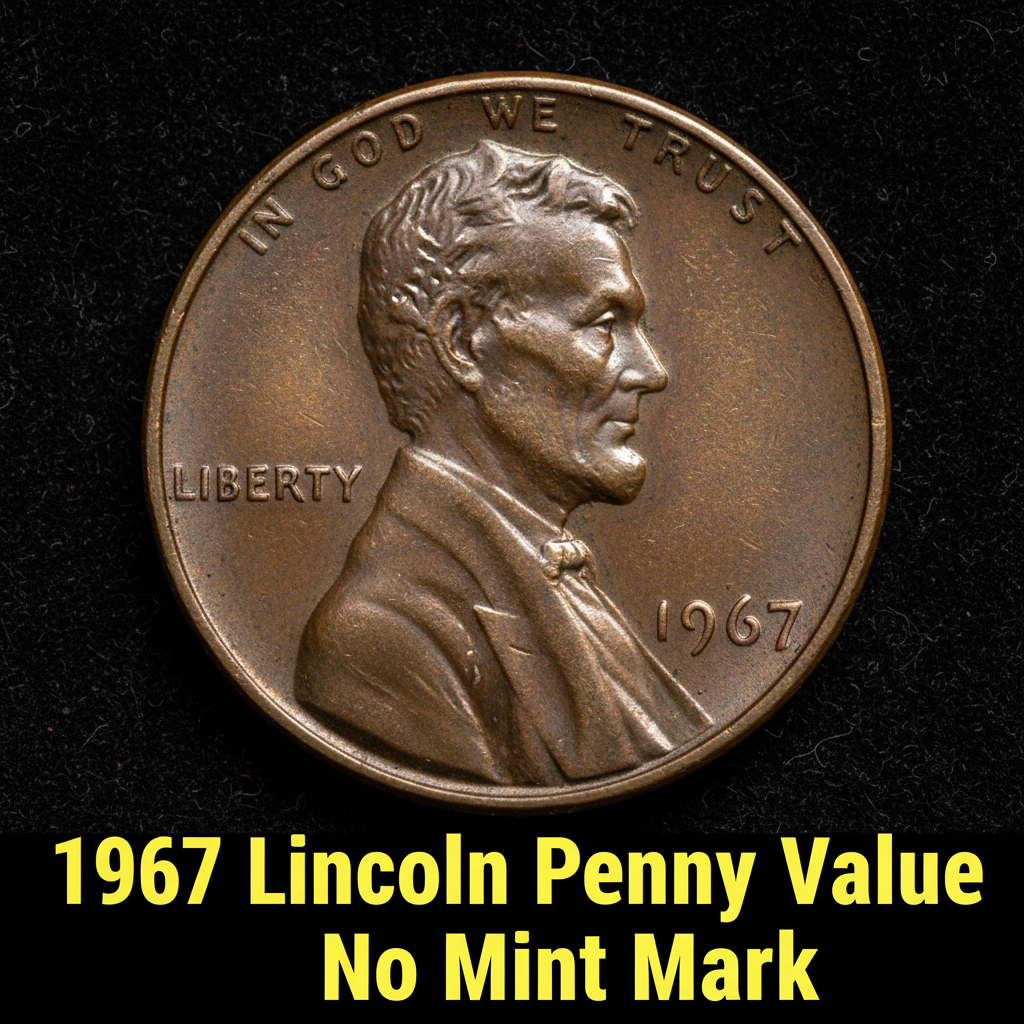
1967 Lincoln Penny Value No Mint Mark What It’s Worth and Why Collectors Care
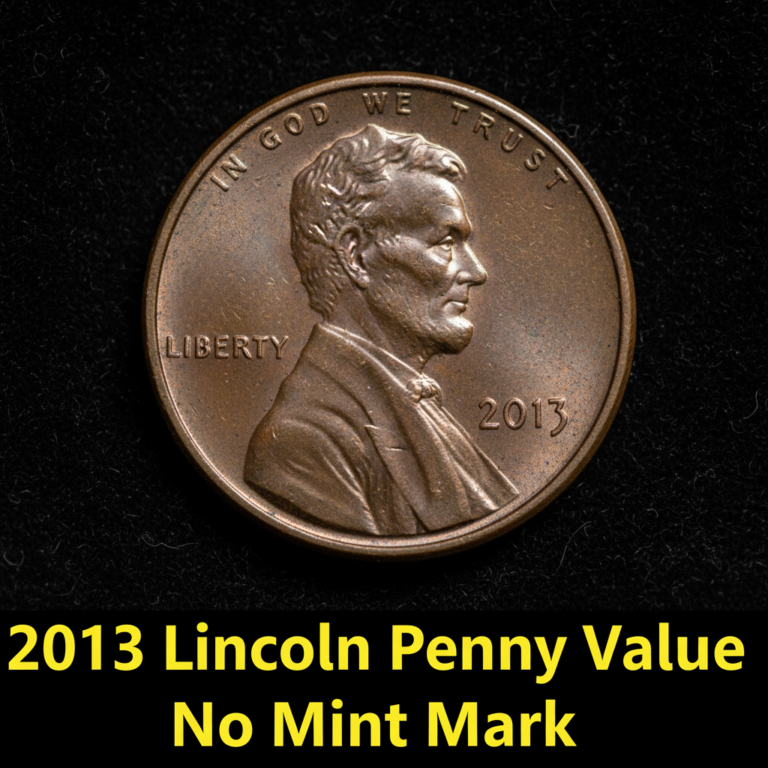
The 1967 Lincoln Penny with no mint mark is worth anywhere from 1 cent in heavily worn condition to over $15 or more in certified mint state — and a handful of special examples have sold for hundreds of dollars at auction. If you just found one in a coin jar or old collection, you’re in the right place to find out exactly what you’ve got.
What the No Mint Mark Actually Means on a 1967 Penny
A lot of people get nervous when they see no mint mark on a coin and assume it might be a fake or an error. Don’t worry — the 1967 Lincoln Penny was intentionally struck without a mint mark, and that’s completely normal. During the mid-1960s, the U.S. Mint made a deliberate decision to remove mint marks from all circulating coins. This policy was in effect from 1965 through 1967 as a response to a nationwide coin shortage. Collectors were hoarding silver coins, and the Mint wanted to discourage that behavior by making it harder to identify which mint struck each coin.
So if your 1967 penny has no mint mark, it simply means it was made during that specific era — not that anything is wrong with it. These coins were produced at the Philadelphia, Denver, and San Francisco mints, but you can’t tell them apart without special testing. If you want a quick, easy way to identify and learn more about coins you find, a free coin identifier app can be a great starting point before you dive deeper into research.
How Much Is the 1967 Lincoln Penny Worth Today
For most circulated examples, the 1967 penny is still worth face value — just one cent. However, coins in better condition start to carry a small premium, and mint-state examples can be worth real money to the right collector.
Here’s a quick breakdown of 1967 Lincoln Penny values by grade:
| Grade | Condition Description | Estimated Value |
|---|---|---|
| Good (G-4) | Heavy wear, outline visible | $0.01 |
| Fine (F-12) | Moderate wear, details clear | $0.01 – $0.05 |
| Extremely Fine (EF-40) | Light wear on high points | $0.10 – $0.25 |
| MS-63 (Mint State) | Uncirculated, some marks | $1 – $3 |
| MS-65 (Gem Mint State) | Bright luster, minimal marks | $8 – $15 |
| MS-67 Red (Top Grade) | Nearly perfect, full red | $100 – $500+ |
For the most current auction results and certified population data, you can check out the 1967 Lincoln Penny MS Red price data on Coinhix, which tracks real sale prices from grading services and major auction houses.
Why Red Designation Matters So Much for 1967 Penny Value
If you’ve been reading about Lincoln cents, you’ve probably noticed that copper pennies are graded not just by their surface preservation but also by their color. There are three color designations: Red (RD), Red-Brown (RB), and Brown (BN). The 1967 penny started life as a bright copper coin, and if it has never been cleaned or exposed to air heavily, it may still show that original reddish color.
A Red-designated penny can be worth several times more than the same grade in Brown. A 1967 penny graded MS-65 Brown might fetch $2–$3, while the same coin in MS-65 Red can reach $10–$15 or more. At MS-67 Red, the value jumps dramatically because so few coins survive in that near-perfect state.
CoinKnow is a handy app that can help you quickly assess the color and condition of your coin using your phone’s camera — a great way to get a rough idea of what category your penny falls into before spending money on professional grading.
Rare Errors on the 1967 Penny That Can Make It Valuable
Not all 1967 pennies are created equal. Some were struck with errors during the minting process, and those error coins can be worth significantly more than a standard example. The most sought-after errors include:
– Doubled Die Obverse (DDO): A slight doubling visible on “LIBERTY,” the date, or Lincoln’s eye. These can be worth $50 to several hundred dollars depending on severity.
– Off-Center Strike: If Lincoln’s image is noticeably shifted from center, collectors pay a premium — especially if the date is still fully visible.
– Die Cap and Broadstrike errors: These dramatic mint mistakes are rare but can fetch $100 or more.
To know if your coin might have one of these errors, examine it closely under a magnifying glass or jeweler’s loupe. You can also get a more detailed breakdown of what to look for by visiting this comprehensive 1967 penny value and error guide, which covers the most commonly found varieties and what they’re worth today.
CoinKnow also has a built-in error detection feature that uses image recognition to flag potential doubled dies and off-center strikes — well worth checking out if you’re not sure what you’re looking at.
Should You Get Your 1967 Penny Graded Professionally
For most circulated 1967 pennies, professional grading through PCGS or NGC isn’t worth the cost. Grading fees typically run $20–$40 per coin, which isn’t practical for a penny worth a few cents. However, if your coin appears to be uncirculated with bright red luster, shows no cleaning or damage, and might grade MS-65 or higher, professional certification could absolutely pay off.
Similarly, if you suspect you have an error coin, getting it authenticated and graded protects your investment and makes it much easier to sell at full market value. Use CoinKnow or another coin research tool to do your homework first before committing to grading expenses.
—
FAQ
Q: Is a 1967 penny with no mint mark rare?
A: Not especially. The lack of a mint mark on 1967 pennies was intentional — all coins made from 1965 to 1967 were struck without mint marks. Billions were produced, so circulated examples are common. The value increases in uncirculated condition, especially with full red color.
Q: What makes a 1967 Lincoln penny worth hundreds of dollars?
A: The most valuable 1967 pennies are certified in high mint-state grades like MS-67 Red by PCGS or NGC. At that level, the coins are essentially perfect with original copper luster and very few examples exist — which drives up the price dramatically among serious collectors.
Q: Can I tell if my 1967 penny is valuable just by looking at it?
A: You can get a general idea. Look for bright original copper color, sharp details, no scratches or cleaning marks, and check for any doubling on the date or lettering. A magnifying glass and good lighting help a lot. Apps like CoinKnow can also assist with a quick assessment right from your phone.