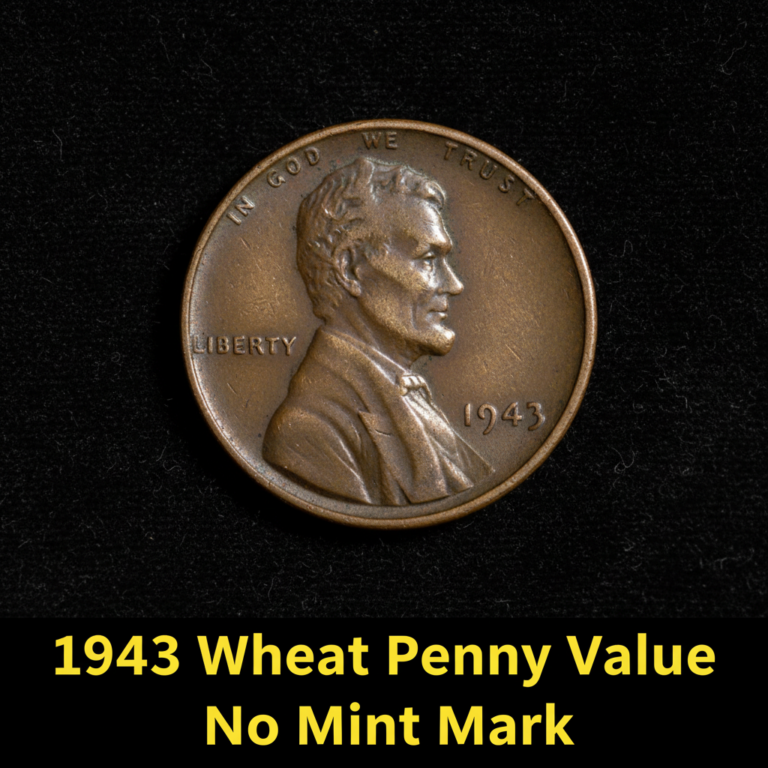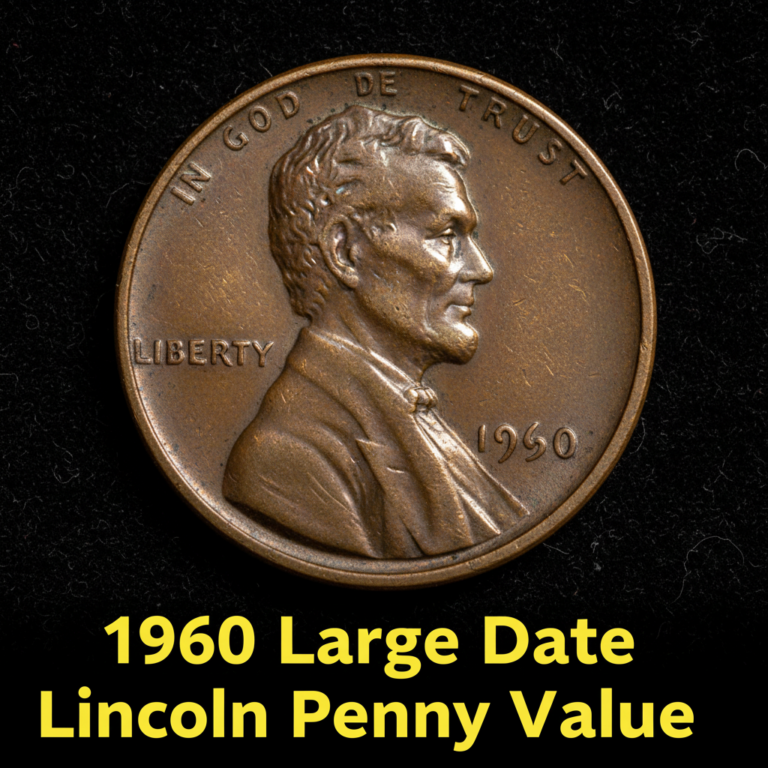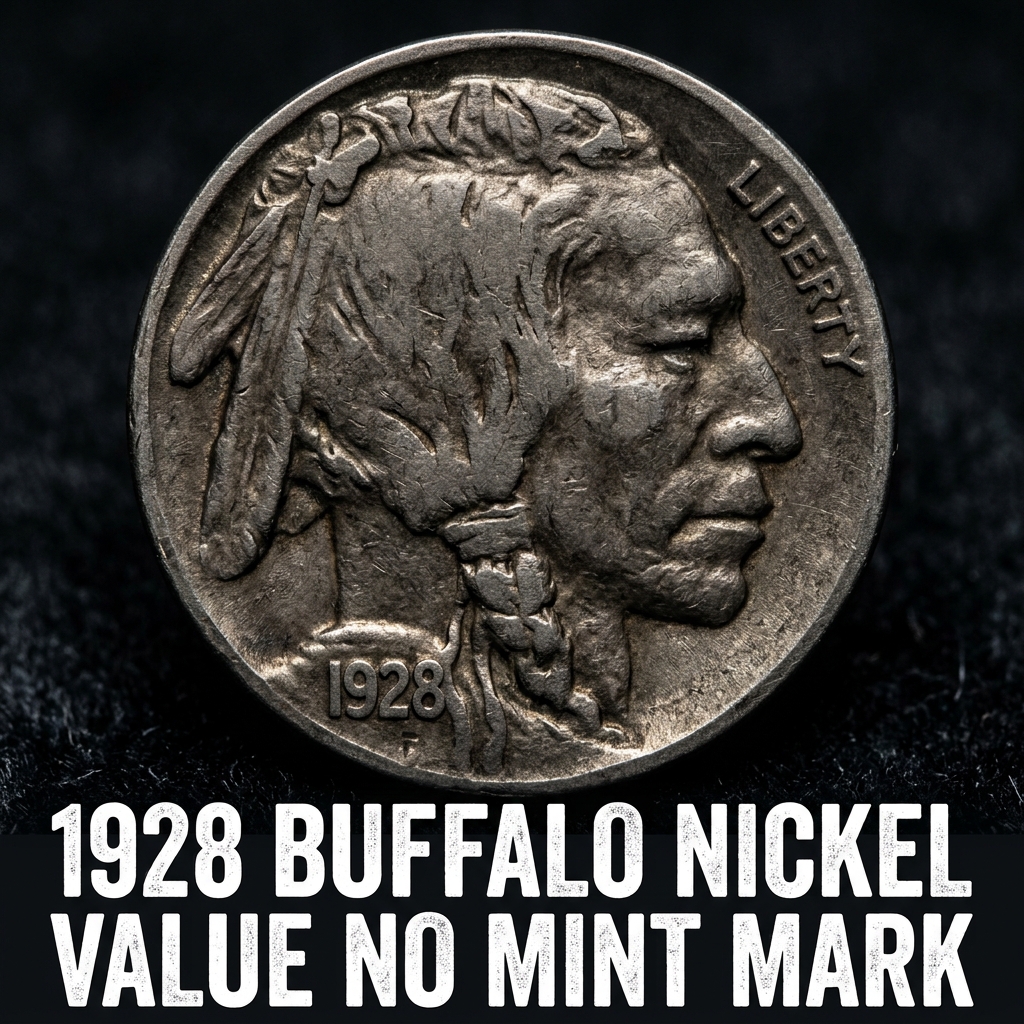
1928 Buffalo Nickel Value No Mint Mark What It’s Really Worth Today
The 1928 Buffalo Nickel with no mint mark is worth anywhere from $1 to $2 in heavily worn condition, up to $50 or more in fine condition, and potentially hundreds of dollars in uncirculated mint state grades. If you just found one of these old coins, you’re in the right place to find out exactly what you’ve got.
What Is the 1928 No Mint Mark Buffalo Nickel?
Before we dig into values, it helps to know a little background. The Buffalo Nickel — officially called the Indian Head Nickel — was minted from 1913 to 1938. The design features a Native American portrait on the obverse and an American bison on the reverse. It’s one of the most beloved coin designs in U.S. history.
The 1928 Buffalo Nickel with no mint mark was struck at the Philadelphia Mint, which never used a mint mark during this era. That means if you flip your coin over and look just below the words “FIVE CENTS,” you’ll see nothing — no “D” for Denver, no “S” for San Francisco. That blank space tells you it came from Philadelphia.
The Philadelphia Mint produced 23,411,000 Buffalo Nickels in 1928, making it a relatively common date in the series. But common doesn’t mean worthless — condition is everything with these coins. If you’re not sure what you have, try using a free coin identifier app to get a quick read on your coin before heading to a dealer.
How Much Is the 1928 Buffalo Nickel Worth by Grade?
Coin value depends heavily on condition, which collectors call “grade.” A coin that spent decades jingling around in pockets looks very different from one that was tucked away in a collection shortly after minting. Here’s a breakdown of typical values for the 1928 Buffalo Nickel (no mint mark):
| Grade | Description | Estimated Value |
|---|---|---|
| Good (G-4) | Heavily worn, date visible | $1 – $2 |
| Fine (F-12) | Moderate wear, major details clear | $10 – $20 |
| Extremely Fine (EF-40) | Light wear on high points | $30 – $50 |
| About Uncirculated (AU-55) | Slight traces of wear, mostly sharp | $60 – $85 |
| Mint State (MS-63) | Uncirculated, some surface marks | $125 – $200 |
| Mint State (MS-65) | Gem uncirculated, sharp and lustrous | $350 – $600+ |
For the most up-to-date figures, you can check current 1928 Buffalo Nickel mint state price data to see how the market is moving right now.
Key Details That Affect the 1928 Buffalo Nickel Value
Beyond basic grade, a few specific things can push your coin’s value higher — or lower.
Luster and Eye Appeal: Uncirculated coins with strong original luster command premium prices. A dull or cleaned coin, even in technically high grade, is worth significantly less.
Strike Quality: The Buffalo Nickel series is notorious for weak strikes. Coins where the bison’s horn and the Native American’s hair detail are fully struck are rarer and more valuable than flat, mushy strikes.
Errors and Varieties: While the 1928 Philadelphia issue doesn’t have major listed varieties like some other dates, any doubling or die errors could add collector interest and premium value.
Cleaning and Damage: A cleaned coin — one that was polished or dipped to look shiny — is considered damaged by most collectors and will sell for far less than an original, naturally toned example.
CoinKnow is a great tool for scanning your coin and getting an instant grade estimate, which can help you understand where your 1928 Buffalo Nickel falls on the value scale before you decide to sell or hold.
Where to Sell or Get Your 1928 Buffalo Nickel Appraised
Once you know your coin’s approximate grade, you’ll want to figure out the best way to turn it into cash — or decide whether it’s worth keeping.
For coins in lower grades (Good to Fine), local coin shops and flea markets are perfectly fine options. These coins are accessible and easy to sell quickly, though you won’t get top dollar.
For coins in Extremely Fine or better condition, consider online platforms like eBay or Heritage Auctions, where collector competition can drive prices higher. For truly high-grade examples — MS-63 and above — professional grading from PCGS or NGC is strongly recommended. A graded and slabbed coin sells more confidently and often fetches significantly more.
You can also browse detailed 1928 Buffalo Nickel value information by grade and condition to better understand what buyers are actually paying in today’s market.
CoinKnow can also help you identify your coin’s grade quickly with just a smartphone photo, making it easier to know which selling route makes the most sense for your specific piece.
Is the 1928 Buffalo Nickel a Good Coin to Collect?
Absolutely. Even if your coin isn’t worth hundreds of dollars, the 1928 Buffalo Nickel is a wonderful piece of American history. These coins circulated during the Roaring Twenties and the lead-up to the Great Depression. Holding one connects you to an era nearly a century gone.
For collectors, the 1928 Philadelphia issue is a solid mid-series coin — not the rarest, not the cheapest, but a satisfying piece to include in any Buffalo Nickel set. The denomination’s complete series (1913–1938) is one of the most popular 20th-century coin collections in America.
Whether you’re a first-time finder or a seasoned collector, CoinKnow is worth downloading for an easy, fast way to research coin values right from your phone.
FAQ
Q: How do I know if my 1928 Buffalo Nickel is from Philadelphia?
A: Flip the coin over to the reverse (bison side) and look below the words “FIVE CENTS.” If there is no mint mark letter there, it was made at the Philadelphia Mint. Denver coins show a “D” and San Francisco coins show an “S.”
Q: Is a 1928 Buffalo Nickel with no date worth anything?
A: Unfortunately, a Buffalo Nickel with a worn-off date is generally only worth about $0.50 to $1 as a “novelty” piece. Collectors need the date to be visible for a coin to have real numismatic value, though you can sometimes use a chemical called “Nic-A-Date” to restore faint dates.
Q: What makes the 1928 Buffalo Nickel more valuable than face value?
A: Several things: its age (nearly 100 years old), its historical significance, its popular design, its silver-like appearance (it’s actually 75% copper and 25% nickel), and the simple law of supply and demand among coin collectors. Even a worn example is worth many times its original 5-cent face value.